
In the vibrant tapestry of Middle Eastern cuisine, few dishes capture the imagination and palate quite like falafel and tahini. These humble yet exquisite staples,brimming with history and flavor,unlock a world where aromatic spices meet time-honored techniques. From the golden, crispy exterior of falafel balls to the creamy, nutty embrace of tahini sauce, each bite tells a story of tradition, culture, and culinary artistry. Join us as we delve into the secrets behind these beloved staples, exploring how simple ingredients transform into an unforgettable symphony of taste-inviting you to savor the true art of middle eastern cooking.
Unlocking flavors: The art of Middle Eastern falafel & tahini begins with mastering the harmony of texture, aroma, and tradition that make this beloved dish truly unforgettable.Originating from ancient Levantine street food, falafel is more than just a crispy chickpea patty; it’s a festivity of vibrant herbs and spices, balanced perfectly by the creamy nuttiness of tahini sauce. Drawing from years of culinary styling and recipe crafting, this guide will walk you thru creating an irresistible falafel blend and silky tahini, plus expert tips to tie them together into a stunning Middle Eastern feast.
Prep and Cook Time
- Preparation: 30 minutes
- Chilling: 1 hour
- Cooking (frying): 10-15 minutes
- Total Time: 1 hour 45 minutes
Yield
Approximately 24 falafel balls, serving 4-6 people as part of a meal
Difficulty Level
Medium – Requires some prep but straightforward for home cooks
Ingredients
- For the Falafel Blend:
- 1 ¾ cups dried chickpeas, soaked overnight, drained
- ½ cup fresh flat-leaf parsley, finely chopped
- ¼ cup fresh cilantro, finely chopped
- ¼ cup fresh dill, finely chopped
- 1 small yellow onion, quartered
- 4 garlic cloves, minced
- 1 ½ teaspoons ground cumin
- 1 teaspoon ground coriander
- ½ teaspoon cayenne pepper (optional, for warmth)
- 1 teaspoon salt
- ½ teaspoon baking powder
- 3-4 tablespoons all-purpose flour (as needed for binding)
- Vegetable oil, for frying
- For the Tahini Sauce:
- ½ cup tahini paste
- ¼ cup fresh lemon juice (about 1 lemon)
- 2 garlic cloves, finely minced
- ¼ teaspoon sea salt
- ½ cup cold water (adjust for desired creaminess)
- 1 tablespoon olive oil (optional, for richness)
Instructions
- Prepare the Falafel Blend: In a food processor, pulse the soaked chickpeas until coarsely ground but not pureed, retaining some texture for ideal crunch.Add parsley,cilantro,dill,onion,garlic,cumin,coriander,cayenne,and salt. Pulse until all ingredients form a grainy, sticky mixture.
- Test the Binding: Transfer mixture to a bowl. Mix in baking powder and 3 tablespoons of flour. If the mixture is still too wet to form balls that hold shape, add the remaining tablespoon flour gradually.
- Chill the Mixture: Cover and refrigerate the mixture for at least 1 hour; chilling firms it up to create falafel with a perfect crispy exterior and moist interior.
- Shape the Falafel: Using wet hands or a falafel scoop, form 1 ½ inch balls or small patties. avoid compressing too tightly to keep interior light.
- Heat the Oil: In a deep skillet or fryer,heat 2-3 inches of vegetable oil to 350°F (175°C). Use a thermometer for accuracy to prevent oily falafel.
- Fry to Golden Perfection: Carefully place falafel balls into hot oil, frying in batches. Turn once or twice until deep golden brown, about 3-4 minutes per batch. Remove with a slotted spoon and drain on paper towels.
- Make the Tahini Sauce: In a bowl, whisk together tahini paste, lemon juice, garlic, and salt. slowly add cold water a tablespoon at a time, whisking continuously until the sauce becomes creamy and smooth but pourable. Stir in olive oil if using.
Tips for Success
- Never use canned chickpeas; dried chickpeas soaked overnight create the authentic dense, crunchy texture essential to falafel.
- If your blend is too crumbly, add more flour sparingly - too much flour will toughen the falafel.
- For an easier fry, chill the shaped falafel for 15 minutes before frying to reduce oil absorption.
- For gluten-free, substitute chickpea flour or rice flour in place of all-purpose flour.
- Tahini sauce thickens when chilled; thin it with water or lemon juice just before serving for silky flow.
- Make falafel a day ahead and reheat in a 350°F oven on a wire rack to reclaim crispiness.
Serving Suggestions
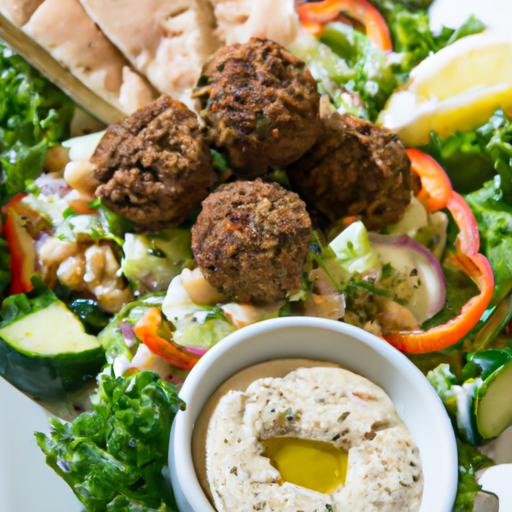
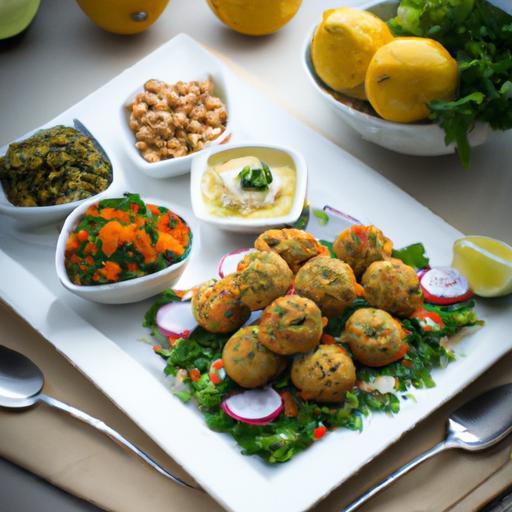
Serve these golden falafel balls nestled in warm pita bread or atop a vibrant bed of tabbouleh and pickled vegetables. Drizzle generously with tahini sauce, and finish with a sprinkle of pomegranate seeds, chopped fresh parsley, and a dash of sumac for visual and flavor contrast. Accompany with fresh cucumber and tomato salad, spicy harissa, or a dollop of yogurt for a balanced, colorful Middle Eastern spread. For elegant entertaining, arrange falafel bites on a platter with tahini in a small dipping bowl, garnished with toasted pine nuts and a swirl of olive oil.
| Nutrient | Per Serving (4 balls + tahini) |
|---|---|
| Calories | 320 kcal |
| Protein | 10 g |
| Carbohydrates | 35 g |
| Fat | 14 g |

For a deeper dive into conventional Middle Eastern accompaniments and bread baking, don’t miss our guide on making perfect pita bread. Enhance your kitchen skills and transform every meal into an authentic feast. Also, explore the history and health benefits of tahini at Healthline.
Q&A
Q&A: Unlocking Flavors: The Art of Middle Eastern Falafel & Tahini
Q1: What makes falafel a quintessential Middle Eastern delicacy?
A1: Falafel isn’t just food; it’s a cultural emblem shaped by centuries of Middle Eastern heritage. These crispy, golden-brown patties crafted from ground chickpeas or fava beans embody a perfect harmony of simple ingredients-herbs, spices, and legumes-that sing with every crunchy bite. They offer a plant-based delight that’s as nourishing as it is flavorful, making falafel a beloved street food and home-cooked favorite across the region.
Q2: How does tahini complement falafel to create a symphony of taste?
A2: Tahini, that creamy, nutty sesame seed paste, acts as falafel’s perfect partner in crime. Its rich, slightly bitter, and earthy undertones cut through the fried crispness of falafel, balancing texture and flavor. when drizzled generously or whipped into sauces with lemon and garlic,tahini adds depth and a luscious silkiness that elevates a humble falafel into a decadent experience.
Q3: What are the secret ingredients or techniques that elevate authentic falafel?
A3: the magic starts with soaking dried chickpeas overnight to achieve the ideal texture-neither too mushy nor too crumbly. The addition of fresh parsley, cilantro, cumin, coriander, and a dash of garlic infuses the falafel with vibrant aroma and flavor. Gently pulsing the mixture rather than fully blending maintains a rustic texture that crisps beautifully when fried. frying at the right temperature ensures a golden crust and a tender, fluffy center.
Q4: Can falafel and tahini be adapted for modern dietary trends without losing authenticity?
A4: Absolutely! Falafel is inherently plant-based, making it a natural fit for vegan and vegetarian diets. For gluten-free variations, simply skip breadcrumbs or replace them with gluten-free substitutes. Tahini’s wholesome profile aligns perfectly with paleo and whole-food diets, too. Experimenting with baking instead of frying can offer a lighter counterpart while preserving that essential Middle Eastern soul.
Q5: How do falafel and tahini reflect the cultural and communal aspects of Middle Eastern cuisine?
A5: Falafel and tahini are more than mere dishes-they’re connectors around tables and street corners across the Middle East. Sharing a platter of falafel with friends and family, accompanied by fresh pita, pickles, and a drizzle of tahini, becomes a ritual that celebrates hospitality, togetherness, and the region’s rich culinary tapestry. They embody how simple ingredients, lovingly prepared, can nourish both body and spirit.
Q6: What tips can beginners follow to master making falafel and tahini at home?
A6: Start with quality ingredients-fresh chickpeas and organic sesame seeds make a noticeable difference. Don’t rush the soaking or resting period for falafel mix; patience yields better texture. Use a heavy-bottomed pan for frying to maintain consistent heat, and don’t crowd the pan to keep the crust crisp. For tahini, roasting sesame seeds lightly before grinding can deepen flavor, and whisking in lemon juice and garlic will brighten the overall profile. Moast importantly, enjoy the process-it’s an art as much as a recipe.
Unlocking the secrets of Middle Eastern falafel and tahini is a journey through history, culture, and culinary craftsmanship.With every bite, you taste a story centuries in the making-crispy, creamy, and endlessly satisfying.
In Summary
As we conclude our journey through the vibrant world of Middle Eastern falafel and tahini, it becomes clear that these humble ingredients are more than just food-they are a celebration of history, culture, and craftsmanship. Unlocking their flavors means embracing the delicate balance of spices, textures, and traditions that have been perfected over centuries. Whether enjoyed as a street food snack or a centerpiece of a hearty meal, falafel and tahini invite us to savor the rich tapestry of the Middle East, one bite at a time. So next time you indulge in this golden delight, remember you’re tasting a story as complex and captivating as the region itself-an art form that transforms simple ingredients into unforgettable flavors.