

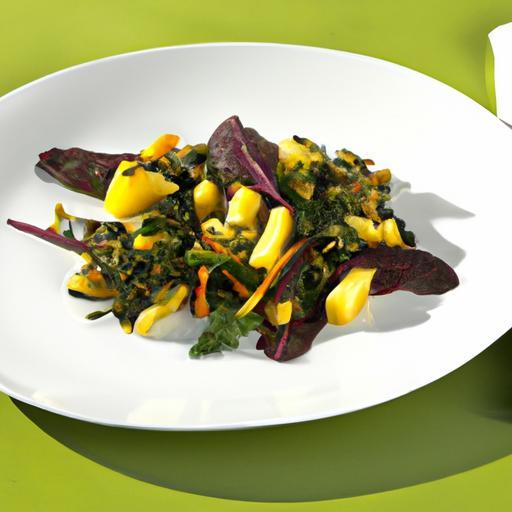
In the vast universe of grains and superfoods, amaranth shines as a hidden gem waiting to be discovered. Often overshadowed by its more common cousins like quinoa and rice, this tiny ancient seed packs an notable punch of nutrition and versatility. Unlocking flavor wiht amaranth isn’t just about health-it’s about embracing a unique texture and subtle, nutty taste that can transform everyday meals into culinary adventures. Whether you’re a seasoned kitchen experimenter or a curious beginner, these creative and easy amaranth recipes will open new doors to flavor, inviting you to savor this powerhouse ingredient in vibrant, unexpected ways. Let’s dive into the flavorful possibilities and elevate your cooking with amaranth’s rich legacy and modern charm.
Unlocking flavor in the kitchen often means embracing the wholesome goodness of ancient grains, and amaranth stands out as a true nutritional powerhouse. This tiny seed, cherished since Aztec times, packs a punch of protein, fiber, and essential micronutrients, making it perfect for those wanting vibrant, healthful meals.From energizing breakfasts to hearty mains and refreshing salads, amaranth’s slightly nutty and earthy undertones invite creativity and comfort alike.
Prep and Cook time
- Prep Time: 10 minutes
- Cook Time: 25 minutes
Yield
- Serves 4 generously
Difficulty Level
- Easy to Medium - perfect for first-timers and seasoned cooks alike
Ingredients
- 1 cup amaranth,rinsed and drained
- 2 ½ cups water or vegetable broth for extra flavor
- 1 tablespoon olive oil or melted coconut oil
- ½ teaspoon sea salt
- 1 small onion,finely chopped
- 2 cloves garlic,minced
- 1 cup cherry tomatoes,halved
- 1 cup fresh baby spinach,roughly chopped
- ½ cup crumbled feta cheese (optional)
- Fresh herbs such as parsley or cilantro,chopped for garnish
- freshly ground black pepper,to taste
Instructions
- Toast the amaranth: In a dry medium saucepan over medium heat,add the rinsed amaranth. Stir frequently until it smells toasted and slightly nutty, about 3-4 minutes. This step boosts flavor and helps improve the final texture.
- Cook the grains: Pour in the water or broth and add sea salt. Bring to a gentle boil, then reduce the heat to low, cover, and simmer for 20 minutes, or until the water is absorbed and the grains become tender yet pleasantly chewy.
- Sauté aromatics: While amaranth cooks, heat olive oil in a skillet over medium heat. Add chopped onion and garlic, sauté until translucent and fragrant, about 5 minutes. Stir regularly to avoid burning.
- Add veggies: Toss in cherry tomatoes and spinach.Cook for another 3-4 minutes until spinach wilts and tomatoes soften, releasing their juices.
- Combine and season: Once the amaranth is done, fluff with a fork and gently fold it into the veggie mixture in the skillet. Stir to combine evenly and heat through.
- Finish with flair: Remove from heat, fold in crumbled feta if using, and season with freshly ground black pepper.Garnish with fresh parsley or cilantro for an herbal brightness that balances the dish.
- Serve instantly: Plate warm, drizzle with extra virgin olive oil or a squeeze of fresh lemon juice for a zing. Enjoy the tactile contrast of fluffy grains, juicy tomatoes, and creamy cheese.
Tips for Success
- rinsing are key: Always rinse amaranth before cooking to remove any dust or bitterness.
- Broth over water: Use vegetable or chicken broth to add complexity without extra effort.
- Crisp texture: For a lighter,more pilaf-like texture,toast the grains longer before boiling.
- dairy-free option: Substitute feta with toasted nuts or seeds for crunch and protein.
- Make-ahead: Store cooked amaranth in an airtight container up to 4 days. Reheat with a splash of water to revive softness.
Serving Suggestions
This versatile recipe shines served warm as a standalone light meal or a flavorful side dish. Pair it with grilled chicken, roasted vegetables, or a vibrant green salad for a complete plate. For a Mediterranean twist, accompany with tzatziki or hummus. Garnishes like toasted pumpkin seeds or pomegranate arils add crunch and bursts of color-perfect for impressing guests or elevating your weeknight dinner.
| Nutrient | per Serving |
|---|---|
| Calories | 280 kcal |
| Protein | 9 g |
| Carbohydrates | 40 g |
| Fat | 7 g |

Discover more grain-based inspirations like our Quinoa Salad with Lemon Vinaigrette to complement your wholesome pantry repertoire. To further grasp the remarkable nutrition found in amaranth, visit this thorough research article for scientific insights.
Q&A
Q&A: Unlocking Flavor – Creative and Easy amaranth Recipes
Q1: What is amaranth, and why should I include it in my cooking?
A: Amaranth is a tiny, ancient seed that’s been nourishing cultures for thousands of years. Packed with protein,fiber,and essential minerals like iron and magnesium,it’s a nutritional powerhouse. Its slightly nutty flavor and versatile texture make it a superstar ingredient,perfect for everything from breakfast porridge to savory stir-fries. Including amaranth in your meals not only boosts nutrition but also adds a delightful crunch and depth of flavor.
Q2: How do I cook amaranth? Is it challenging?
A: Not at all! Cooking amaranth is straightforward. Rinse the seeds well, then simmer one part amaranth to three parts water or broth for about 20 minutes, until tender and slightly gelatinous. It’s quicker than many grains and doesn’t require soaking.You can easily infuse it with herbs, spices, or aromatics during cooking for extra flavor.
Q3: What are some creative ways to use amaranth in recipes?
A: The beauty of amaranth lies in its adaptability. Try it as a creamy breakfast porridge topped with fresh fruit and nuts, or mix popped amaranth into granola for a toasty crunch. Swap it for rice or quinoa in your favourite salads and grain bowls. For a savory twist, use cooked amaranth as a base for veggie patties or stir it into soups for extra heartiness. Plus, amaranth flour adds a nutty flair to baked goods like pancakes and muffins.
Q4: Can amaranth be used in gluten-free cooking and baking?
A: Absolutely! Amaranth is naturally gluten-free, making it an excellent choice for those with gluten sensitivities or celiac disease. Its flour lends moisture and a nutty depth to gluten-free breads, cookies, and cakes. Mixing amaranth flour with other gluten-free flours frequently enough yields the best texture, providing structure and flavor.
Q5: How can I bring out the best flavors of amaranth in a dish?
A: Toast amaranth seeds in a dry pan before cooking to enhance their nuttiness. Use aromatic liquids like vegetable broth, coconut milk, or spiced teas as your cooking base. Pair amaranth with robust flavors-think garlic, ginger, cumin, or fresh herbs like cilantro and basil. Balancing its earthiness with bright acids like lemon juice or vinegar can also elevate your dishes.
Q6: Is amaranth suitable for all meal types?
A: Yes! Amaranth’s mild, versatile taste makes it a canvas for sweet and savory creations alike. Start your day with warm amaranth porridge drizzled with honey and cinnamon, then enjoy a refreshing amaranth salad for lunch. dinner can feature amaranth-stuffed peppers or amaranth-crusted fish. Its unique texture works beautifully across seasons and cuisines.
Q7: Where can I find amaranth and its products?
A: Amaranth is increasingly available in health food stores, organic markets, and many well-stocked supermarkets. You can find whole seeds, popped amaranth, and amaranth flour. Online retailers also offer a variety of amaranth products, making it easy to incorporate this ancient grain into your modern kitchen.
Q8: Any rapid tips for beginners wanting to try amaranth?
A: Start simple: cook a batch of plain amaranth and taste it. Then experiment by adding your favorite herbs, spices, or mix-ins like sautéed vegetables or dried fruit.Popping amaranth like popcorn adds fun texture and can be sprinkled on salads or yogurts. Remember, cooking amaranth with intention-whether toasted, cooked, or baked-unlock its fullest, most delicious potential!
Concluding Remarks
As you embark on your culinary adventure with amaranth, let its subtle nuttiness and chewy texture inspire your creativity in the kitchen.This humble seed, rich in nutrients and versatility, opens a world of flavorful possibilities-from hearty breakfasts and vibrant salads to comforting stews and innovative desserts. Whether you’re a seasoned cook or a curious beginner, unlocking the potential of amaranth is as simple as embracing its unique character and experimenting with your favorite ingredients. so go ahead-stir, bake, sauté, and savor the unexpected joys this ancient grain brings to your table, turning everyday meals into delightful discoveries.