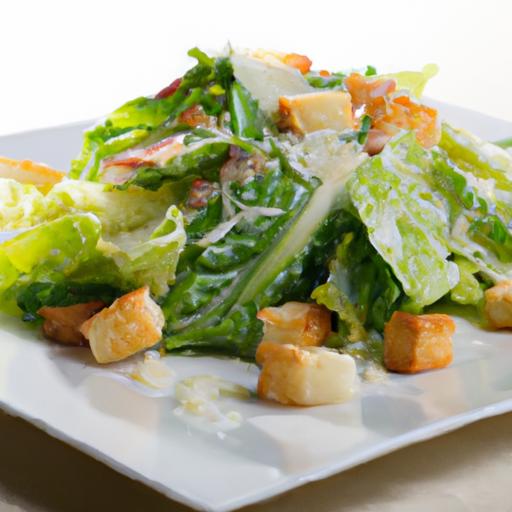

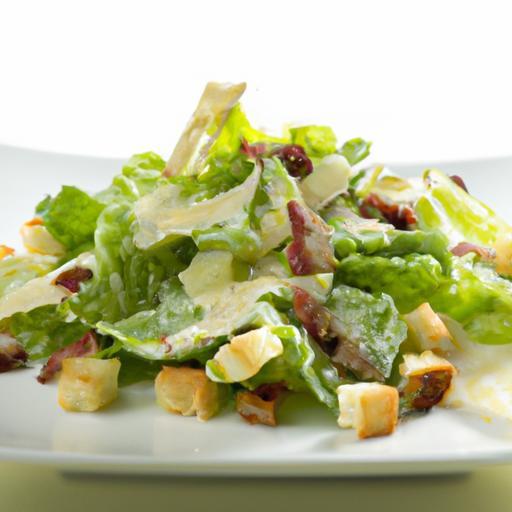
In the world of culinary classics, few dishes boast the enduring appeal and effortless elegance of the Caesar salad. Born from a simple blend of crisp romaine, tangy dressing, and crunchy croutons, this iconic recipe has transcended generations, captivating palates with its harmonious balance of flavors and textures. more than just a salad, the Caesar is a testament to the art of timeless taste-where tradition meets innovation in every bite. Join us as we explore the origins, secrets, and subtle nuances that make the classic Caesar salad recipe an everlasting favorite on tables worldwide.
Timeless Taste: The Art of the classic Caesar Salad Recipe sparks more than just a refreshing meal-it connects us to a timeless culinary legacy that originates from an unexpected place: Tijuana, Mexico. Created by restaurateur Caesar Cardini in the 1920s, this salad’s vibrant, tangy dressing and crisp romaine leaves have evolved into a globally beloved dish, celebrated for its perfect harmony of flavors and textures. Embark on a flavorful journey that honors tradition while inviting subtle creativity, all centered around the iconic Caesar salad.
Prep and Cook Time
- Readiness Time: 15 minutes
- Cooking Time: 10 minutes (for homemade croutons)
Yield
- Servings: 4 generous portions
Difficulty Level
- Easy to Medium – Perfect for both beginners and seasoned home cooks
Key Ingredients That define Authentic Flavor
The classic Caesar salad’s essence is found not just in fresh romaine lettuce but in a handful of authentic, high-quality ingredients that burst with umami and balance. Fresh garlic and anchovy fillets meld with freshly grated Parmesan and egg yolks, creating a rich, silky dressing enhanced by extra virgin olive oil, fresh lemon juice, and a touch of Dijon mustard. Crisp homemade croutons add contrasting texture,making the dish unforgettable.
- 2 heads of fresh romaine lettuce, washed and dried
- 2 cloves garlic, finely minced
- 4-6 anchovy fillets, finely chopped
- 2 large egg yolks (or use pasteurized for safety)
- 1 cup freshly grated Parmigiano-Reggiano cheese
- 1 tsp Dijon mustard
- 2 tbsp fresh lemon juice
- 3/4 cup extra virgin olive oil, gently warmed
- Salt and freshly ground black pepper, to taste
- 3 cups homemade croutons (recipe below)
- Optional: Worcestershire sauce, a few drops for depth
Step by step Guide to Crafting the Perfect dressing
- Prepare the base: In a medium bowl, vigorously whisk together the egg yolks, fresh lemon juice, and Dijon mustard. This forms the creamy foundation.
- Add the aromatics: Incorporate the minced garlic and finely chopped anchovy fillets. Whisk until thoroughly blended, allowing the salty savory notes to infuse the dressing.
- Slowly emulsify: While whisking continuously, gradually drizzle in the warm extra virgin olive oil. The key is slow incorporation-this transforms the mixture into a luscious, velvety emulsion.
- Season thoughtfully: Sprinkle in freshly ground black pepper and salt sparingly-anchovies and Parmesan already add saltiness. Add a splash of Worcestershire sauce if desired, to deepen complexity.
- Finishing touch: Fold in freshly grated parmigiano-Reggiano cheese, stirring gently but completely. The cheese elevates texture and flavor harmony.
Tips for Customizing Your Caesar Salad Without Losing its Essence
Maintaining the timeless taste while tailoring this classic to your preferences is an art in itself. Consider these thoughtful adaptations:
- For a lighter version, substitute half the olive oil with a mild vegetable oil, ensuring the dressing stays smooth but less dense.
- Make it vegetarian: Replace anchovies with minced capers or a splash of tamari for that umami kick without fish.
- Experiment with greens: While romaine is customary, try adding baby kale or radicchio for contrasting bitterness and texture, but keep romaine as the salad’s heart.
- Upgrade your croutons: Toast ciabatta cubes infused with extra garlic and herbs to add a gourmet crunch.
- Serve with protein: Grilled chicken, shrimp, or salmon work beautifully without overshadowing the salad’s essence.
Ingredients
- 2 heads of fresh romaine lettuce, washed and dried
- 2 cloves garlic, finely minced
- 4-6 anchovy fillets, finely chopped
- 2 large egg yolks (or pasteurized)
- 1 cup freshly grated Parmigiano-Reggiano cheese
- 1 tsp Dijon mustard
- 2 tbsp fresh lemon juice
- 3/4 cup extra virgin olive oil, warmed
- Salt and ground black pepper to taste
- 3 cups homemade croutons (see recipe)
- optional: Worcestershire sauce, a few drops
Instructions
- Make the croutons: Preheat oven to 350°F (175°C).cut day-old ciabatta into 1-inch cubes. Toss with olive oil, minced garlic, salt, and pepper. Spread evenly on a baking sheet. Bake 10 minutes or until golden and crisp,stirring halfway.
- Prepare the dressing: In a mixing bowl, whisk egg yolks, lemon juice, and Dijon mustard until smooth. Add garlic and anchovies; mix well.
- Emulsify oil: Slowly drizzle warmed olive oil into the egg mixture while whisking steadily until a creamy dressing forms.
- Season dressing: Add freshly ground black pepper, a pinch of salt, and optional Worcestershire sauce. Stir in grated Parmesan cheese.
- Assemble salad: Tear the romaine leaves into bite-sized pieces and place in a large salad bowl.
- Toss salad: pour 3/4 of the dressing over the greens, tossing gently to coat evenly.
- Add croutons: Sprinkle homemade croutons atop the salad, then grate extra Parmesan if desired. Serve immediately for best texture.
Chef’s Notes
- Egg safety: Use pasteurized egg yolks or coddle eggs slightly to reduce risk, especially important when serving pregnant women or immunocompromised guests.
- Anchovies: If anchovies seem intimidating, start with fewer fillets and adjust gradually for preferred saltiness.
- Make-ahead tip: Prepare croutons up to 2 days prior, store in an airtight container to retain crunch.
- Dressing storage: Dressing can be refrigerated for up to 2 days; whisk again before use as separation may occur.
- Texture balance: Avoid overdressing romaine to keep crispness intact-toss lightly and serve right away.
serving Suggestions
Present your salad on a wide, shallow bowl to showcase the vibrant green leaves contrasted with golden croutons and creamy dressing. garnish with shaved Parmesan curls and a final grind of black pepper. Pair with crusty artisan bread and chilled white wine such as sauvignon Blanc or Chardonnay. For a heartier meal, top with warm grilled chicken breast or butter-seared shrimp, making each bite a celebration of the salad’s timeless taste.

| Nutrient | Per Serving |
|---|---|
| Calories | 350 kcal |
| Protein | 12 g |
| Carbohydrates | 18 g |
| Fat | 28 g |
Discover more fresh and classic salad recipes in our Fresh and Green Salads collection. For deeper ancient insight on Caesar salad origins, visit Smithsonian Magazine.
Q&A
Q&A: Timeless Taste – The Art of the Classic Caesar Salad Recipe
Q1: What makes the Caesar salad a timeless classic in the world of cuisine?
A: The Caesar salad’s enduring appeal lies in its perfect harmony of flavors and textures-a crisp crunch of romaine lettuce, the sharp tang of Parmesan, the salty depth of anchovies, and the creamy, garlicky dressing that ties it all together. It’s a dish that balances simplicity with sophistication, making it a beloved staple across generations and dining tables worldwide.
Q2: Who invented the Caesar salad, and what’s the story behind it?
A: Contrary to popular belief, the Caesar salad was not named after Julius Caesar but after Caesar Cardini, an Italian-American restaurateur. Legend has it that in 1924, during a busy Fourth of July weekend in Tijuana, Mexico, Cardini improvised the salad with limited ingredients, creating a dish so memorable it became legendary. This spontaneous creation captured hearts and palates, securing its place in culinary history.
Q3: What are the essential ingredients that define a classic Caesar salad?
A: A true classic Caesar salad features fresh romaine lettuce, crisp croutons, freshly grated Parmesan cheese, and a dressing made from garlic, egg yolk, lemon juice, Dijon mustard, anchovies, Worcestershire sauce, olive oil, salt, and pepper. Each component plays a vital role, contributing layers of flavor and texture that elevate the salad beyond ordinary greens.
Q4: Why are anchovies crucial to the Caesar dressing, and can they be substituted?
A: Anchovies provide an umami richness and subtle briny depth that kickstarts the flavor profile of the dressing. They melt seamlessly into the emulsion, lending complexity without overpowering. while some modern adaptations omit anchovies for dietary preferences, their unique contribution is hard to replicate fully-substitutes like Worcestershire sauce add some savory notes, but anchovies remain the authentic heart of the dressing.
Q5: How has the Caesar salad evolved while preserving its classic roots?
A: Over the decades, the Caesar salad has inspired countless variations-grilled chicken, shrimp, kale, even vegan iterations. Yet, the classic version’s core essence remains intact: a vibrant embrace of fresh greens dressed in a bold, creamy sauce punctuated by Parmesan and croutons. This flexibility allows the salad to evolve with culinary trends while honoring the foundational recipe that started it all.
Q6: What tips can help home cooks perfect their own Caesar salad?
A: To craft an impeccable Caesar salad, start with the freshest romaine, hand tear the leaves to preserve their texture, and toast your own croutons for extra crunch. When making the dressing, whisk the ingredients slowly to create a silky emulsion, and balance acidity with richness carefully. Lastly, assemble just before serving to maintain crispness-this attention to detail transforms a simple salad into an artful dining experience.
Q7: Can you suggest wine pairings to accompany a classic Caesar salad?
A: The Caesar salad’s shining acidity and umami flavors pair wonderfully with crisp, refreshing white wines such as Sauvignon Blanc or Pinot Grigio. For a richer touch, a lightly oaked Chardonnay complements the creamy dressing beautifully. If you prefer red, a light-bodied Pinot Noir can also provide a delightful contrast without overwhelming the salad’s delicate balance.
Embracing the art of the classic Caesar salad is more than following a recipe-it’s about celebrating a culinary legend that continues to captivate taste buds with its timeless taste. Whether you’re a seasoned chef or a home cook, mastering this salad is an invitation to enjoy a perfect blend of history, flavor, and craftsmanship on every forkful.
to Wrap It Up
As we close the chapter on the timeless tale of the classic Caesar salad, it’s clear that this beloved dish is more than just a simple combination of greens and dressing-it’s a harmonious blend of history, technique, and flavor that continues to captivate palates around the world. Whether you’re a seasoned chef or a curious home cook, embracing the art behind this culinary icon invites you to savor not only each crisp bite but also the stories and traditions that have shaped it. So next time you toss your romaine with that creamy, tangy dressing, remember: you’re partaking in a delicious legacy that transcends time, proving that sometimes, the classics never go out of style.