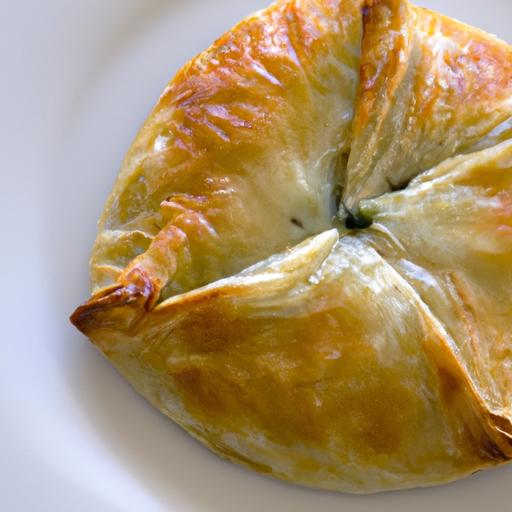

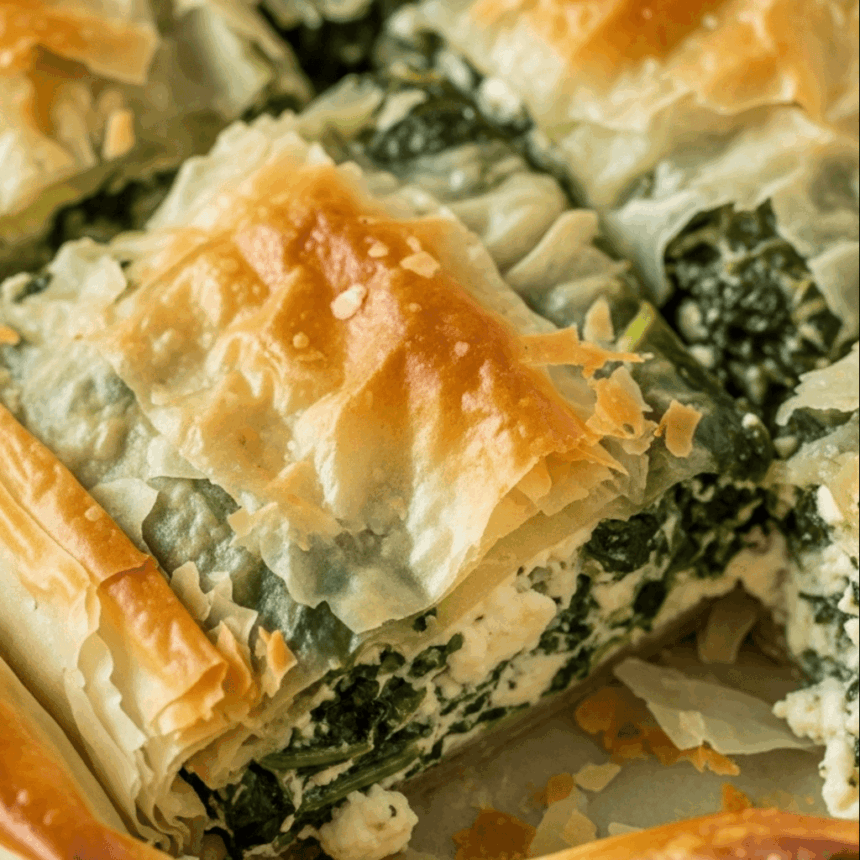
Beneath the golden, flaky layers of spanakopita lies a story as rich and vibrant as its flavors-a tale woven through centuries of Greek tradition, culture, and culinary artistry. This humble spinach pie, with its crisp phyllo crust and savory filling of spinach, feta, and fragrant herbs, is more than just a dish; it’s a symbol of Mediterranean heritage and a festivity of simplicity meeting sophistication. In ”Spanakopita Unwrapped: The Secrets of Greek Spinach Pie,” we peel back the layers too reveal the origins, techniques, and timeless secrets that make this beloved pie a staple in Greek kitchens and a favorite around the world. Join us on a journey through history and taste as we uncover what truly makes spanakopita a culinary treasure worth savoring.
spanakopita Unwrapped: The Secrets of Greek Spinach pie captures the essence of a beloved Greek classic that has nurtured families for centuries. This savory spinach and feta pie is more than just a dish – it is a vibrant tapestry of culture, history, and culinary artistry. From the coastal tavernas of Athens to village kitchens on the sun-drenched Greek islands, spanakopita has been perfected over generations, emerging as a symbol of Mediterranean warmth and comfort. unlocking its secrets means embracing the delicate balance of flaky, buttery phyllo dough and a lush, tangy spinach and feta filling that sings with every bite.
Prep and Cook Time
- Preparation: 30 minutes
- Cooking: 45 minutes
- Total Time: 1 hour 15 minutes
Yield
Serves 8 generous portions
difficulty level
Medium – Requires patience with phyllo handling but rewarding for all skill levels
Ingredients
- 1 lb fresh spinach, washed and roughly chopped
- 1 medium yellow onion, finely diced
- 3 tablespoons olive oil, plus extra for brushing phyllo
- 4 green onions, finely sliced
- 2 cloves garlic, minced
- 8 oz feta cheese, crumbled
- 3 large eggs, lightly beaten
- 1/2 cup fresh dill, chopped
- 1/4 cup fresh parsley, chopped
- 1 teaspoon freshly ground black pepper
- 1/2 teaspoon sea salt (adjust carefully because of feta)
- 1/2 teaspoon freshly grated nutmeg
- 1 package phyllo dough (about 20 sheets), thawed
Instructions
- Prepare the spinach: In a large skillet, heat 2 tablespoons olive oil over medium heat. Add the diced onion and sauté until translucent, about 5 minutes. Add minced garlic and green onions,cook for 1 minute until fragrant.
- Wilt the spinach: Gradually add fresh spinach in batches, stirring gently to allow it to wilt. Once all spinach has been incorporated and is tender,remove from heat. Transfer to a colander and press firmly with a spoon to drain excess liquid-this ensures a non-soggy filling.
- Mix the filling: In a large bowl, combine drained spinach mixture, crumbled feta, beaten eggs, chopped dill, parsley, black pepper, salt, and nutmeg. Stir gently to unify flavors without turning the filling mushy.
- Prepare the phyllo: Preheat oven to 350°F (175°C). Lightly oil a 9×13 inch baking dish. Carefully unroll thawed phyllo dough and cover with a damp towel to prevent drying. Layer 8 sheets in the dish, brushing each sheet lightly with olive oil as you go.
- Add the filling: Spread the spinach and feta filling evenly over the layered phyllo sheets.
- Top layers: Continue layering remaining phyllo sheets on top of the filling, brushing each with olive oil. Finish with a generous brush of oil on the top layer to promote golden crispness.
- Score the pie: Using a sharp knife, lightly score the top layers in diamond or square shapes to ease cutting after baking.
- Bake to perfection: Place the dish on the middle oven rack and bake for 45 minutes or until the phyllo is crisp and deeply golden brown. Rotate the pan halfway through if necessary for even browning.
- Rest and serve: Remove from oven and allow the spanakopita to rest for 10-15 minutes before slicing to help the filling set and prevent crumbling.
Tips for Success
- Use fresh spinach for the best flavor, but baby spinach or a mix of spinach and Swiss chard works beautifully too.
- Drain the spinach filling thoroughly-excess moisture is the main culprit for soggy spanakopita.
- Work quickly but gently with phyllo dough: keep sheets covered with a damp cloth to avoid drying out and cracking.
- Brush each phyllo layer generously with olive oil or melted butter for that classic flaky, golden finish.
- For a make-ahead option, assemble the pie and refrigerate it for up to 12 hours before baking, ensuring flavors meld beautifully.
- To make the filling vegetarian or lighter, experiment with reduced feta or swap with ricotta and herbs.
Serving Suggestions
Slice and serve warm accompanied by a wedge of lemon for a citrusy burst. Pair with a fresh Greek salad layered with ripe tomatoes, olives, and cucumber dressed in oregano and olive oil. A side of tzatziki or a drizzle of extra virgin olive oil enhances the pie’s vibrant flavors. Garnish with a sprinkle of chopped fresh dill or oregano and a few black olives for a visual and flavor accent.

| Nutrient | Per Serving |
|---|---|
| Calories | 280 kcal |
| Protein | 10 g |
| carbohydrates | 25 g |
| Fat | 16 g |
Discover more authentic Greek recipes similar to this one at our Greek Cuisine Collection. For deep dives into Mediterranean culinary heritage, the Encyclopedia Britannica’s Greek cuisine overview is an excellent resource.
Q&A
Q&A: Spanakopita Unwrapped – The Secrets of Greek Spinach Pie
Q: What exactly is spanakopita?
A: Spanakopita is a traditional Greek savory pie, bursting with a vibrant blend of spinach, feta cheese, onions, herbs, and eggs, all encased in crisp, flaky phyllo dough. Think of it as a delicious Greek treasure, where every bite tells a story of Mediterranean sunshine and culinary heritage.
Q: Where did spanakopita originate?
A: While the exact origins are a bit fuzzy like its flaky layers, spanakopita is deeply rooted in Greek cuisine, dating back centuries. It’s a beloved comfort food passed down through generations, especially popular in rural villages where fresh spinach and feta are staples.
Q: What makes spanakopita so unique compared to other spinach pies?
A: The magic lies in the layers-literally. The ultra-thin phyllo dough, diligently brushed with olive oil or butter, creates a delicate, crispy shell that contrasts perfectly with the soft, savory filling. The use of tangy, creamy feta cheese paired with fresh herbs like dill and parsley adds a signature Mediterranean flair that’s hard to replicate.
Q: Is spanakopita always made with spinach?
A: Traditionally, yes! Spinach is the star of the show. However, variations might include other greens such as chard or kale, depending on regional preferences or seasonal availability. The key is a fresh, vibrant green component paired with cheese and herbs that maintain that authentic Greek flavor.
Q: Can spanakopita be considered a healthy dish?
A: Definitely! Packed with nutrient-rich spinach, calcium from feta, and heart-healthy olive oil, spanakopita is a wholesome option that balances flavor with nutrition.Just be mindful of portion sizes since phyllo dough can add up in calories,but its thin layers keep it lighter than many other pastry dishes.
Q: How do you achieve the perfect crispiness in spanakopita?
A: Patience and technique are everything. The phyllo sheets must be handled gently and brushed generously with olive oil or melted butter between every single layer. When baked, this careful layering creates that signature golden, shatteringly crisp crust that collapses delightfully with each forkful.
Q: Can you make spanakopita ahead of time?
A: Absolutely! Spanakopita is an excellent make-ahead dish. You can assemble it and refrigerate it before baking or prepare and freeze it fully cooked. When reheated, it retains much of its crispiness-just be sure to warm it thoroughly to revive that flaky texture.
Q: What’s the best way to serve spanakopita?
A: Spanakopita shines as a versatile dish.Serve it as a hearty appetizer, a side dish with a fresh Greek salad, or even a main course paired with tzatziki and lemon wedges. Its robust flavors and satisfying textures make it a crowd-pleaser any time of day.
Q: Are there any common mistakes to avoid when making spanakopita?
A: Too much filling or too little layering can turn your spanakopita soggy or dense. Be sure your spinach is well-drained-excess moisture is the enemy of crisp phyllo. Also, handling phyllo dough requires care; it dries out quickly, so keep sheets covered with a damp cloth to maintain their delicate elasticity.
Q: Why has spanakopita remained so beloved across generations?
A: In every crispy fold lies not just great taste but a sense of home, tradition, and communal joy. Spanakopita is more than food-it’s a symbol of Greek hospitality and enduring heritage. Whether enjoyed at a family table or celebrated in a bustling taverna, it connects people through its timeless deliciousness.
Unlocking the secrets of spanakopita reveals a world where simple ingredients are transformed by technique and tradition into a dish full of life, crunch, and soul.So next time you bite into a slice of this Greek spinach pie, savor the history-unwrapped just for you.
Future Outlook
As the golden layers of crisp phyllo come together with the vibrant greens and tangy feta, spanakopita reveals itself not just as a dish, but as a celebration of Greek heritage and flavor. Unwrapping its secrets invites us to appreciate the delicate balance of textures and tradition that have made this spinach pie a beloved staple for generations. Whether savored at a bustling taverna or crafted in your own kitchen, spanakopita serves as a delicious reminder that sometimes, the richest stories are tucked inside the simplest of parcels. So next time you take a bite,remember-you’re tasting more than just pie; you’re savoring a piece of Greece’s timeless culinary soul.