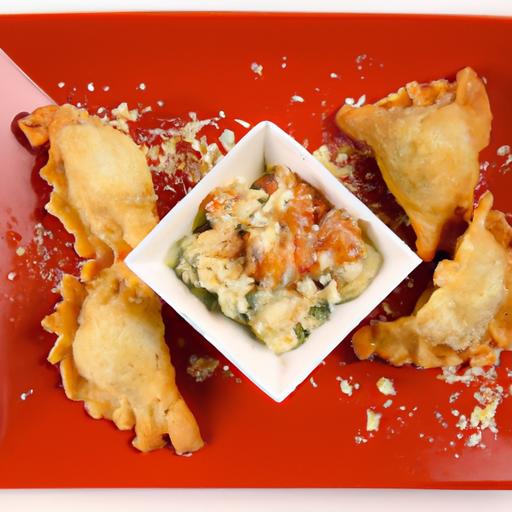

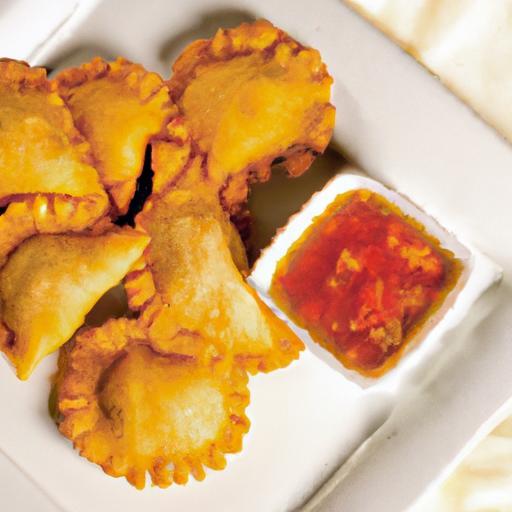
There’s somthing undeniably captivating about the first crunch-a crisp shell shattering to reveal a warm, tender treasure within. Deep-fried ravioli, once a humble Midwestern appetizer, has evolved into a beloved culinary indulgence that marries tradition with innovation. This crispy delight transforms the classic Italian pasta into a golden, bite-sized masterpiece, inviting food lovers to explore a world where textures and flavors dance in perfect harmony. In this article, we dive deep into the art of deep-fried ravioli, uncovering its origins, techniques, and the irresistible appeal that keeps this dish sizzling on menus and in kitchens worldwide. Whether you’re a curious foodie or a seasoned chef, prepare to discover how simple ingredients undergo a magical transformation into a crunchy, savory sensation that’s unfeasible to resist.
Crispy indulgence begins the moment you bite into the golden,crunchy exterior of deep-fried ravioli.Originally a Midwestern american twist on traditional Italian ravioli, this dish has evolved from humble bar snack origins in St. louis to an irresistible culinary favorite across the country. Its rise to fame lies in the perfect harmony of texture and flavor-pillowy stuffed pasta transformed by a flawlessly crispy coating, delivering satisfying crunch with every bite.
Prep and Cook Time
Prep Time: 20 minutes
Cook Time: 5-7 minutes per batch
Total Time: 30-35 minutes
Yield
Serves 4 as an appetizer or snack
Difficulty Level
Medium – requires attention to temperature control and coating technique
Ingredients
- 1 package (about 20 pieces) fresh or frozen cheese or spinach ravioli, thawed if frozen
- 1 cup all-purpose flour, sifted
- 2 large eggs, beaten
- 1 cup Italian-style breadcrumbs
- 1/2 cup grated Parmesan cheese
- 1 tsp garlic powder
- 1/2 tsp dried oregano
- Salt and freshly ground black pepper, to taste
- Vegetable oil for frying (about 4 cups)
Instructions
- Prepare the dredging stations: place the flour in a shallow bowl. In a second bowl, beat the eggs. in a third bowl, combine breadcrumbs, Parmesan cheese, garlic powder, oregano, salt, and pepper.
- Pat dry each ravioli with paper towels-removing excess moisture helps the coating stick better and ensures a crispier crust.
- Coat each ravioli: First dredge in flour, shaking off the excess. Next, dip into the beaten eggs, allowing the excess to drip off gently. press the ravioli into the breadcrumb mixture, coating all sides evenly. For extra crunch, double dip in egg and breadcrumbs.
- Heat oil: Fill a deep, heavy-bottomed pot with at least 2 inches of vegetable oil. Heat to 350°F (175°C) using a thermometer to maintain consistent temperature.
- Fry in batches: Carefully add 4-5 ravioli at a time to avoid overcrowding. Fry for 3-4 minutes or until the coating turns a deep golden brown, flipping occasionally with a slotted spoon for even cooking.
- Drain: remove ravioli with a slotted spoon and place on a wire rack over a baking sheet or paper towels to drain excess oil.Serve hot for the best crunch.
Chef’s Notes: Tips for Success
- Freeze ravioli briefly before frying (about 15 minutes) if fresh to help maintain shape and avoid breakage during cooking.
- Maintain oil temperature between 350°F-360°F; too hot and the coating burns, too cool and ravioli absorb excessive oil becoming greasy.
- For a gluten-free option, substitute all-purpose flour and breadcrumbs with gluten-free flour and panko choice.
- Try flavored breadcrumbs: Incorporate fresh herbs or crushed red pepper flakes for an exciting twist on the coating.
- Make ahead tip: Coat the ravioli and freeze them on a baking sheet before frying for effortless weekday crispiness.
Serving Suggestions to Elevate Your Experiance
Present these golden bites on a rustic wooden board or a sleek white platter for contrast. Garnish with fresh basil leaves and a light dusting of Parmesan cheese for visual appeal.Accompany with a trio of dipping sauces:
- Classic marinara sauce – radiant, tangy, and herbaceous
- Garlic aioli – creamy with a subtle kick
- Spicy arrabbiata – perfect for those who love heat
Adding a wedge of lemon on the side allows diners to add a refreshing pop of acidity that cuts through the richness.
| Nutrient | Per Serving |
|---|---|
| Calories | 320 kcal |
| Protein | 12 g |
| Carbohydrates | 38 g |
| Fat | 12 g |

Flavor Pairings and Dipping Sauces to Elevate Your Experience with Crispy Indulgence
Exploring complementary flavors enhances the crispy indulgence of deep-fried ravioli like a true culinary artist. The contrasting textures of creamy cheese centers against crunchy exteriors offer a versatile canvas for bold and bright accompaniments. A well-balanced sauce is essential; marinara’s herbal acidity refreshes the palate, while garlic aioli creates a luscious, garlicky counterpoint. For adventurous palates, pairing with spicy arrabbiata or even a zesty pesto adds layers of complexity that make every bite exciting.
To deepen your knowledge and skill, check out our article on Mastering Frying Techniques or learn more about pasta history on Encyclopaedia Britannica.
Q&A
Q&A: Crispy Indulgence – Exploring the Art of Deep-Fried Ravioli
Q1: What exactly is deep-fried ravioli, and where did this flavorful dish originate?
A: Deep-fried ravioli is a playful twist on the classic Italian pasta, where ravioli-typically boiled-is instead battered or breaded and then fried until golden and crispy. This creates a delightful contrast between the crunchy exterior and the soft, savory filling inside. While ravioli itself hails from Italy, deep-fried ravioli as a dish is believed to have been popularized in St. Louis, Missouri, making it a perfect marriage of Old World tradition and American comfort food innovation.
Q2: What makes deep-frying ravioli an art rather than just a cooking technique?
A: The magic lies in balancing texture and flavor without overwhelming the delicate pasta. Deep-frying ravioli requires precise timing and temperature control-too short, and the pasta remains chewy; too long, and it becomes greasy or burnt. Choosing the right batter or breading adds another layer of complexity, as it must adhere tightly while crisping evenly. Crafting deep-fried ravioli is a sensory experience involving texture, aroma, and taste, turning a simple dish into an indulgent masterpiece.
Q3: What types of fillings work best for deep-fried ravioli?
A: While traditional ricotta and spinach fillings are always crowd-pleasers, deep-fried ravioli welcomes creativity. Cheese blends like mozzarella or fontina offer luscious meltiness, while meat-filled ravioli-think seasoned beef, sausage, or even crab-bring richness that pairs beautifully with the crispy shell. Vegetables like mushrooms or butternut squash can add an earthy or subtly sweet note. Because the exterior is rich and crunchy, balancing fillings with fresh herbs, lemon zest, or spicy accents creates a symphony of flavors.
Q4: How can one achieve the perfect crispiness without sacrificing the tender pasta inside?
A: the secret is in preparation and frying technique. Start with well-chilled ravioli to prevent overcooking quickly. Lightly dredge or coat them in a seasoned breadcrumb or batter-panko adds extra crunch, while a tempura-style batter can offer a lighter shell. Heat your oil to a steady 350-375°F (175-190°C), ensuring a rapid fry that sets the crust while gently warming the filling. drain on paper towels immediately to avoid sogginess. This careful choreography results in ravioli that snap delightfully on the outside yet reveal a sumptuous,tender center.
Q5: what are some creative ways to serve or enjoy deep-fried ravioli?
A: Deep-fried ravioli is a versatile entertainer.Serve them as appetizers with a variety of dipping sauces-classic marinara, zesty aioli, or spicy arrabbiata all work wonders. For a heartier meal, toss fried ravioli in a fresh tomato sauce and sprinkle with Parmesan and basil. some chefs even play with dessert versions, filling ravioli with sweet cheeses or fruits and dusting with powdered sugar. Pair with crisp salads or a glass of vibrant red wine to highlight the indulgent flavors and textures.
Q6: Can deep-fried ravioli be made at home easily, or is it better left to professionals?
A: While deep-frying might intimidate some, making deep-fried ravioli at home is absolutely achievable with a little practice and care. Using store-bought fresh or frozen ravioli can simplify prep, and investing in a good thermometer ensures oil stays in the right temperature range. The process is quick-usually just a couple of minutes at a time-making it ideal for parties or special dinners. Plus, homemade versions allow for personalized fillings and coatings that elevate the indulgence.
Deep-fried ravioli isn’t just a snack-it’s a crispy celebration of textures, flavors, and culinary traditions reimagined.Whether you’re a kitchen experimenter or a seasoned foodie, exploring this artful indulgence opens doors to a delicious and crunchy universe that begs for another bite.
To Conclude
As the golden crust of deep-fried ravioli crackles with each bite, it becomes clear that this culinary delight is more than just a snack-it’s an experience. From its humble beginnings to its place on appetizer menus worldwide, crispy indulgence reminds us that sometimes, the art of frying transforms simple ingredients into extraordinary moments. Whether enjoyed with a zesty marinara dip or reinvented with innovative fillings, deep-fried ravioli continues to invite food lovers on a flavorful journey where tradition meets temptation. So next time you crave a textural adventure, let this crispy treasure guide your palate toward indulgence perfected.