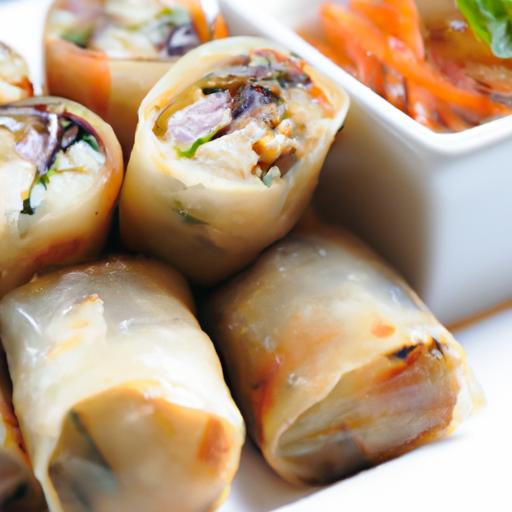

Crispy,golden,and irresistibly fragrant,Chinese spring rolls have long held a cherished place on dining tables around the world. Beyond their crunchy exterior lies a treasure trove of flavors and textures, a testament to centuries of culinary artistry and regional innovation. “Crispy Delights: Exploring the Art of Chinese Spring Rolls” invites you on a savory journey into the heart of this iconic appetizer, unraveling its rich history, diverse fillings, and the techniques that transform simple ingredients into bite-sized masterpieces.Whether you’re a seasoned foodie or a curious novice, this exploration offers a deeper recognition of how tradition and creativity come together in every crunchy roll.
Crispy delights truly come alive with Chinese spring rolls-a culinary treasure that speaks volumes of China’s rich heritage and gastronomy. Originating centuries ago during the Jin dynasty, these golden parcels were initially crafted to celebrate the arrival of spring, symbolizing renewal and prosperity. Over time, the recipe journeyed through regional kitchens, evolving into irresistible snacks that are now beloved worldwide. Each bite encapsulates a harmony of textures and flavors-where the delicate snap of the wrapper meets the vibrant medley of fresh vegetables,fragrant herbs,and savory meats.
Prep and Cook Time
- Preparation: 40 minutes
- Cooking: 15 minutes
- Total Time: 55 minutes
yield
Approximately 20 spring rolls (serves 6-8)
Difficulty Level
Medium - great for adventurous home cooks ready to master wrapping techniques and frying skills
Ingredients
- For the wrappers:
- 2 cups all-purpose flour, sifted
- 1/2 teaspoon salt
- 3/4 cup boiling water
- 1 tablespoon vegetable oil, plus extra for rolling
- For the filling:
- 1/2 pound ground pork (or finely chopped shrimp, for variation)
- 1 cup finely shredded napa cabbage, salted and squeezed dry
- 1/2 cup finely julienned carrots
- 1/2 cup finely chopped shiitake mushrooms, soaked and drained
- 3 scallions, thinly sliced
- 2 cloves garlic, minced
- 1 tablespoon soy sauce
- 1 tablespoon oyster sauce
- 1 teaspoon toasted sesame oil
- 1/2 teaspoon white pepper
- Salt to taste
- Vegetable oil for deep frying
Instructions
- Make the wrappers: In a large mixing bowl, combine the all-purpose flour and salt. Carefully pour in the boiling water, stirring constantly with chopsticks or a fork until a shaggy dough forms. When cool enough to handle, knead on a floured surface for about 8-10 minutes until smooth and elastic.
- Roll the dough into a ball,cover with a damp cloth,and let rest for 30 minutes to relax the gluten.
- Divide the rested dough into 20 equal small balls. On a lightly oiled surface,gently roll each ball into a thin (about 2mm) round wrapper,approximately 6 inches in diameter. Keep the wrappers covered with a damp towel to prevent drying out.
- prepare the filling: Heat a tablespoon of oil in a skillet over medium-high heat. Add the minced garlic until fragrant (about 30 seconds). add the ground pork and cook, breaking it apart until it’s no longer pink.
- Add the napa cabbage, carrots, mushrooms, and scallions. Stir-fry for 3-4 minutes, allowing the vegetables to soften but retain some crunch.
- Season with soy sauce, oyster sauce, toasted sesame oil, white pepper, and salt. Stir well and cook for an additional 2 minutes. Remove from heat and let cool wholly.
- Assembly: Place one wrapper on a clean surface.Spoon about 2 tablespoons of filling near the bottom edge. Fold up the edge over the filling and tuck in the sides snugly. Roll tightly towards the top edge and seal the wrapper with a dab of water or beaten egg to ensure no oil seeps in while frying.
- Frying: Heat vegetable oil in a deep pan or wok to 350°F (175°C). Fry spring rolls in batches, turning occasionally, until golden and crisp (about 3-4 minutes). Drain on paper towels and serve immediately for the best crunch.
Tips for Success
- For ultra-crispy spring rolls, double-fry them: first at 320°F until just cooked, then once more at 350°F until golden.
- If short on time, store leftover wrappers sealed in plastic wrap in the fridge-bring to room temperature before using.
- Try adding finely shredded jicama or bamboo shoots for extra crunch and authenticity.
- Use a thermometer to maintain oil temperature for consistent frying results and oil absorption control.
- To prevent soggy interiors, ensure your vegetables are well-drained and cool before filling.
Serving Suggestions
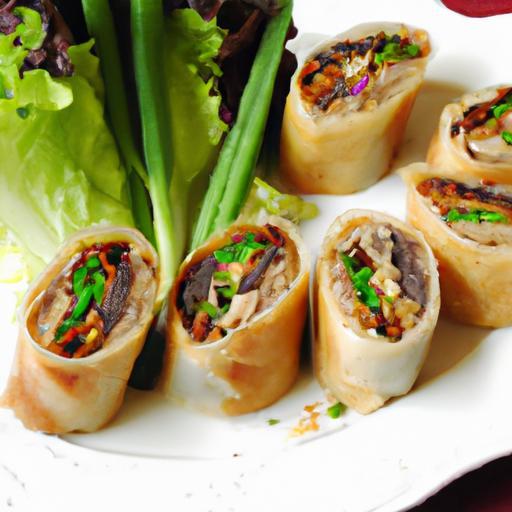
Plate your crispy treasures alongside small bowls of dipping sauces such as classic soy chili, sweet and sour, or hoisin-peanut for a flavorful contrast. Garnish with finely sliced scallions, toasted sesame seeds, and fresh cilantro for visual appeal and a pop of freshness.serve with a side of pickled vegetables or a light Asian salad to balance the richness. Pair well with jasmine tea or a bright white wine like Riesling for a harmonious dining experiance.

| Nutrient | Per Serving (3 rolls) |
|---|---|
| Calories | 320 kcal |
| Protein | 14 g |
| Carbohydrates | 30 g |
| Fat | 14 g |
Explore more tasty Asian appetizers in our Asian Appetizers Guide and deepen your understanding of authentic cooking. For a scholarly deep dive on spring roll history, visit Britannica.
Q&A
Q&A: Crispy Delights – exploring the Art of Chinese Spring Rolls
Q1: What makes Chinese spring rolls so irresistibly crispy?
A1: The secret lies in both technique and ingredients. traditionally,spring rolls are wrapped in a thin sheet of dough made from wheat flour and water,which crisps beautifully when fried. The key is frying them at the right temperature-around 350°F (175°C)-to achieve that golden, crackling shell without absorbing excess oil. This perfect balance creates the signature snap that makes every bite a delight.
Q2: How did Chinese spring rolls originate?
A2: Spring rolls trace back to ancient China during the Jin dynasty (265-420 AD). They were originally consumed during the spring festival as a symbol of renewal and good fortune. Over centuries, the recipe evolved regionally, adapting fillings and cooking methods but always maintaining their festive, symbolic roots.Q3: What kinds of fillings can one find inside spring rolls?
A3: The fillings are incredibly diverse, ranging from ground pork, shredded cabbage, mushrooms, and glass noodles in northern China, to sweet bean paste or even fruit in some variations.Modern versions frequently enough incorporate shrimp, chicken, or tofu, making spring rolls a versatile canvas for flavors and textures.Q4: Is there an art to wrapping spring rolls properly?
A4: Absolutely! Wrapping is where technique meets patience. The wrapper must be thin but strong enough to hold the filling without tearing. Begin by placing a small amount of filling near one corner,then fold the edges in snugly before rolling tightly to form a neat cylinder. Sealing the edge with a dab of water or beaten egg ensures it stays intact during frying, preserving that coveted crispy exterior.
Q5: Can spring rolls be baked instead of fried?
A5: Yes, baking is a healthier alternative that still gets you a crispy finish, tho the texture differs slightly from frying. To bake, brush the spring rolls lightly with oil and cook at 400°F (200°C) for about 15 minutes, turning halfway through. This method is gaining popularity, offering a lighter yet satisfying way to enjoy this classic treat.
Q6: How do spring rolls reflect Chinese culinary beliefs?
A6: Spring rolls embody the harmonious balance prized in Chinese cuisine-combining textures (crispy wrapper vs. tender filling), flavors (savory, sweet, or spicy), and symbolism (renewal and prosperity). Their adaptability and regional variations echo the cultural diversity and culinary artistry found throughout china.Q7: What tips can beginners follow to master homemade spring rolls?
A7: Start with fresh, finely chopped fillings to ensure even cooking. Don’t overfill, or the wrapper might burst. Keep your workspace moist to prevent wrappers from drying out and cracking. practise wrapping with patience-each roll shaped with care brings you closer to that perfect crispy delight.
delving into the art of Chinese spring rolls reveals not just a snack but a cultural treasure-a crispy, flavorful celebration of tradition and innovation rolled into one.
In Retrospect
As we’ve unraveled the layers of crispy, golden perfection that make Chinese spring rolls a beloved culinary treasure, it’s clear that this humble appetizer is much more than just a tasty bite.It embodies a rich tapestry of tradition,technique,and creativity-each fold and fry a testament to the artistry behind every crunch. Whether enjoyed as a festive treat or a simple snack, spring rolls invite us to savor not only their delightful textures and flavors but also the stories and culture they carry. So next time you take that first crispy bite, remember: you’re tasting a piece of history expertly wrapped in delicious, delicate layers-truly a crispy delight worth celebrating.