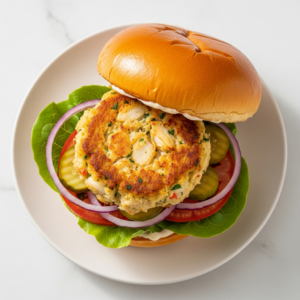

there’s a certain magic tucked between two buns along the sun-soaked shores where seafood reigns supreme-the crab cake sandwich. This coastal classic, with its golden crust and tender, seasoned crab meat, captures the essence of seaside dining in every bite. But what makes a crab cake sandwich truly unforgettable? Is it the freshness of the crab, the blend of spices, the type of bread, or the secret sauce nestled within? In this article, we’ll dive deep into the appetizing secrets behind this beloved delicacy, exploring the art and science that transform humble ingredients into a culinary treasure. Whether you’re a seafood aficionado or a curious foodie, get ready to savor the story behind the crab cake sandwich and unlock tips that will elevate your next coastal feast.
Crab cake sandwich secrets begin with understanding how to achieve the perfect balance of texture and flavor that makes this coastal classic irresistibly delicious.Combining flaky, tender crab meat with just the right amount of binder ensures that every bite is juicy without being dense or rubbery.Whether you’re recreating a seaside favorite or elevating a homemade meal, nailing the texture is key to bringing that authentic coastal experience to your kitchen table.
Prep and Cook Time
Planning: 20 minutes
Cooking: 12-15 minutes
Total: 35 minutes
Yield
4 sandwiches (serving size: 1 crab cake sandwich each)
difficulty Level
Medium
Essential Ingredients for Authentic Coastal Flavor
- 1 lb lump crab meat, picked over for shells
- 1/2 cup panko breadcrumbs (for lightness, not dryness)
- 2 tbsp mayonnaise (richness that binds without heaviness)
- 1 large egg, beaten (gives structure)
- 1 tsp Dijon mustard (adds subtle tang)
- 1 tbsp Worcestershire sauce (depth of umami)
- 1 tbsp fresh lemon juice (brightens and balances)
- 1 tsp Old bay seasoning (the quintessential coastal spice blend)
- 2 tbsp finely chopped fresh parsley (herbal freshness)
- 1/4 cup finely chopped celery (crisp texture)
- Salt and black pepper to taste
- 4 sandwich buns (ideally brioche or potato rolls for softness and structure)
- Butter (for toasting buns)
- Optional toppings: lettuce, tomato slices, pickles, remoulade sauce, or a tangy slaw
Mastering the Art of the Ideal Bun and Toppings
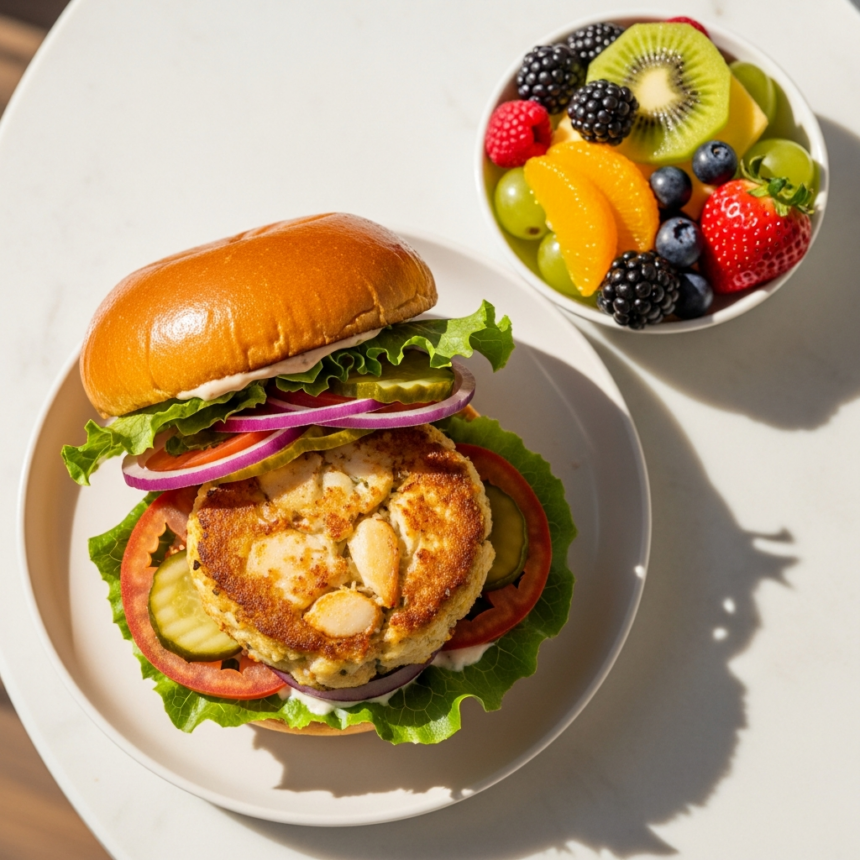
The bun acts as the foundation - choose soft, slightly sweet buns like brioche or potato rolls. Toast them lightly in butter until golden and crisp around the edges; this contrast creates a satisfying bite and helps keep the sandwich from becoming soggy. Fresh, crisp toppings like iceberg lettuce or peppery arugula add refreshing texture, while ripe tomato slices introduce juicy sweetness. for an extra zing, a house-made remoulade or a dollop of tartar sauce finishes the sandwich beautifully, adding creaminess and a hint of spice to elevate the natural sweetness of the crab.
Insider tips for Cooking Crab Cakes to Golden Perfection
- Handle the crab meat gently: Overmixing breaks down the lumps and compromises the texture. Fold ingredients carefully to maintain respectable chunks of crab.
- Chill before cooking: Let formed cakes rest in the fridge for at least 15 minutes to firm up. This prevents them from falling apart in the pan.
- Skillet choice matters: Use a heavy-bottomed skillet or cast iron for even heat distribution and that coveted golden crust.
- Moderate heat is key: Cook over medium heat, allowing the crust to form without burning.Flip only once to keep the cakes intact.
- Use clarified butter or a mix of oil and butter: This combination adds flavor and reduces burning risk.
Instructions
- Prepare the crab mixture: In a large bowl, combine lump crab meat, panko breadcrumbs, mayonnaise, beaten egg, Dijon mustard, Worcestershire sauce, lemon juice, Old Bay seasoning, parsley, celery, salt, and black pepper. Gently fold together, being careful not to break apart the crab.
- Shape the crab cakes: Using a 1/3 cup measure, form 4 evenly sized patties. Place on a parchment-lined tray and refrigerate for 15-20 minutes to set.
- Toast the buns: Heat a skillet over medium heat. Spread butter on the inside of each bun and toast until golden and crisp, about 2 minutes. Remove and set aside.
- Cook the crab cakes: In the same skillet, add 1 tablespoon each of clarified butter and vegetable oil. Place the chilled crab cakes carefully; cook for 5-6 minutes per side or until each side is golden brown and crusty. Flip gently once.
- Assemble the sandwiches: layer each toasted bun with lettuce, a crab cake, tomato slices, and your choice of remoulade or tartar sauce. Top with the bun lid and serve instantly for maximum crispness and flavor.
Chef’s Notes
- Crab variety: opt for lump crab meat for a premium texture, but backfin is a budget-friendly alternative.
- Make-ahead: Form and refrigerate crab cakes for up to 24 hours in advance. This makes grilling or pan-frying a weeknight breeze.
- Gluten-free: Replace panko with gluten-free breadcrumbs and use gluten-free buns.
- Flavor boosts: Add a teaspoon of finely chopped fresh tarragon or chives for an herbal twist.
- Cooking alternative: For a lighter version, bake crab cakes at 400°F (200°C) for 12-15 minutes, flipping halfway through.
Serving Suggestions
Serve your crab cake sandwich with a side of crispy sweet potato fries or a crisp fennel slaw to balance richness.Garnish with fresh lemon wedges for squeezing, and a sprinkle of parsley adds color and freshness. Pair with a chilled glass of Sauvignon Blanc or a coastal-inspired cocktail for a complete dining experience.
| Nutrient | Per Serving |
|---|---|
| Calories | 460 kcal |
| Protein | 28 g |
| Carbohydrates | 34 g |
| Fat | 22 g |

Discover more coastal classics like our Lobster Roll Recipe for Easy Summer Entertaining. For detailed seafood safety and handling tips, visit the FDA Seafood Consumer Guidelines.
Q&A
Q&A: Crab Cake Sandwich Secrets – A Delicious Coastal Classic Explained
Q1: What makes a crab cake sandwich a true coastal classic?
A1: The crab cake sandwich embodies the essence of coastal cuisine by showcasing fresh, succulent crab meat blended with just the right balance of seasonings and binders. It’s a handheld celebration of ocean flavors, frequently enough paired with a soft bun and tangy sauces that complement but never overshadow the star ingredient-crab.
Q2: What is the secret to a perfectly moist and flavorful crab cake?
A2: The secret lies in using lump crab meat with minimal filler-think just a little mayonnaise,a touch of Dijon mustard,and eggs to bind. Breadcrumbs are added sparingly, preserving the crab’s delicate texture. Fresh herbs, a squeeze of lemon, and subtle spices like Old Bay or cayenne bring layers of flavor without overwhelming the crab’s natural sweetness.
Q3: How significant is the preparation method in crafting the ideal crab cake sandwich?
A3: Extremely important! Gentle handling of the crab meat ensures chunky, tender cakes. Pan-searing in a blend of butter and oil creates a crispy, golden crust that contrasts beautifully with the moist interior.Avoid deep-frying if you want to preserve the freshness and prevent heaviness.
Q4: What role does the bun play in the crab cake sandwich experience?
A4: The bun is the unsung hero.A lightly toasted, buttery brioche or a soft, slightly sweet potato roll complements the crab cake without competing for attention. It provides structure and soak-up power for sauces while remaining tender enough to enjoy without overpowering the delicate crab.
Q5: Are there any classic toppings or sauces that elevate the crab cake sandwich?
A5: Absolutely! A dollop of tangy remoulade or a zesty tartar sauce adds creamy brightness.Crisp lettuce and ripe tomato slices introduce crunch and freshness.Some coastal traditions include a slather of coleslaw for texture and a subtle vinegar tang, enhancing the overall harmony of flavors.
Q6: Can the crab cake sandwich be customized while still honoring its coastal roots?
A6: Yes! While the foundation of fresh crab and simple seasonings remains sacred, feel free to experiment with artisanal breads, inventive sauces like avocado aioli or spicy sriracha mayo, and even add a twist with pickled vegetables or local greens. The key is balancing innovation with respect for the crab’s delicate profile.
Q7: How can home cooks replicate the crab cake sandwich magic without coastal access?
A7: Freshness is king, but if true blue crab isn’t available, opt for frozen lump crab meat from reputable sources. Handle gently, season thoughtfully, and pan-sear with care. Pair with fresh, crisp produce and a flavorful bun. With attention to technique and quality ingredients, you can bring the coastal charm to your kitchen anytime.
Q8: Why is the crab cake sandwich so beloved across different regions?
A8: It’s the perfect union of simplicity and indulgence-comfort food elevated by a touch of luxury. The sandwich format makes it casual and portable, while the crab’s sweet, flaky richness offers a taste of the sea that resonates from shorelines to city streets. It’s a delicious reminder that some classics never go out of style.
To Wrap It Up
from the humble shores where fresh crab meets toasted bun, the crab cake sandwich emerges as a celebration of coastal flavors and culinary craft. By understanding the secrets behind its crispy crust, tender interior, and savory seasoning, you’re not just tasting a meal-you’re experiencing a tradition rich with history and flavor. Whether you’re a seasoned seafood lover or a curious newcomer,mastering these insights will elevate your next crab cake sandwich from simple to spectacular. So next time you bite into this delicious coastal classic, savor the story behind every savory, golden morsel-and let your palate carry you straight to the seaside.