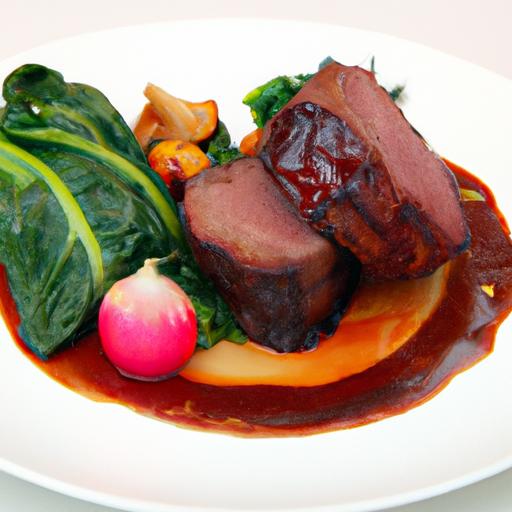

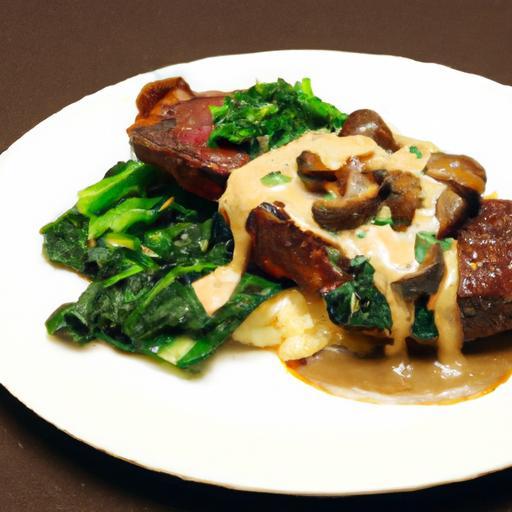
Beneath teh glazed surface of traditional cuts lies a hidden gem often overlooked by many-a morsel of rich flavour and unparalleled tenderness waiting to be discovered. Beef cheeks, the humble muscles nestled beneath the bovine’s jowl, have long been cherished in culinary circles for their melt-in-the-mouth texture and depth of taste. Once relegated to stews and braises out of necessity, this unassuming cut is now stepping into the spotlight, celebrated by chefs and home cooks alike. In this article, we’ll unveil the secrets of beef cheeks, exploring their unique qualities, cooking techniques, and why thay deserve a place on your plate-transforming a modest cut into a gourmet experience worth savoring.
Beef cheeks unveil an remarkable depth of flavor and an irresistible, melt-in-your-mouth texture that few cuts can rival. This cut, often overlooked, is a hidden treasure within the culinary world-rich, gelatinous, and packed with robust beefy notes thanks to it’s generous marbling and connective tissue. Perfectly slow-cooked, beef cheeks transform from a tough, fibrous piece of meat into tender, velvety morsels that sing with every bite.
Prep and Cook Time
Planning: 20 minutes | Cook Time: 4 hours | Total Time: 4 hours 20 minutes
Yield
Serves 4 hearty portions
Difficulty Level
Medium – requires patience but straightforward techniques
ingredients
- 4 beef cheeks (about 1.5 lbs total),trimmed of excess fat and sinew
- 1 cup all-purpose flour,for dredging
- 3 tablespoons olive oil
- 1 large onion,finely chopped
- 2 carrots,diced
- 2 celery stalks,diced
- 4 garlic cloves,minced
- 2 cups dry red wine (choose a bold variety)
- 3 cups beef stock,preferably homemade or low-sodium
- 2 tablespoons tomato paste
- 2 sprigs fresh rosemary
- 3 sprigs fresh thyme
- 2 bay leaves
- salt and freshly ground black pepper,to taste
- Fresh parsley,chopped for garnish
Instructions
- Prepare the beef cheeks: Pat the beef cheeks dry with paper towels.Season generously with salt and pepper, then coat them lightly with the all-purpose flour. This will help create a luscious crust once seared.
- Sear the beef cheeks: In a heavy-bottomed Dutch oven or large skillet, heat the olive oil over medium-high heat. Sear the beef cheeks until deeply browned on all sides-about 4 minutes per side. this caramelization is essential for developing rich umami flavors. Remove the cheeks and set aside.
- Sauté the aromatics: Reduce the heat to medium. Add onions, carrots, and celery to the pot and sauté until softened and golden, about 8 minutes.Stir occasionally to prevent sticking and encourage caramelization.
- Add garlic and tomato paste: Stir in the minced garlic and tomato paste, cooking for an additional 1-2 minutes until fragrant and well combined.
- Deglaze the pot: Pour in the red wine to deglaze, scraping up browned bits from the bottom. Let the wine simmer until reduced by about half; this intensifies the flavor and removes harsh alcohol notes.
- Add beef stock and herbs: Return the seared beef cheeks to the pot. Pour in the beef stock,ensuring the meat is mostly submerged. Toss in rosemary, thyme, and bay leaves. Bring the liquid to a gentle simmer.
- Slow cook: Cover and transfer the pot to a preheated oven at 300°F (150°C). cook low and slow for approximately 3.5 to 4 hours, or until the beef cheeks are tender enough to effortlessly pull apart with a fork.
- Finish the sauce: Remove the beef cheeks and strain the cooking liquid to remove vegetables and herbs. Simmer the liquid on the stovetop, reducing until slightly thickened, then season to taste with salt and pepper.
- Serve: Slice or shred the beef cheeks and spoon over luxuriously rich sauce. garnish with chopped fresh parsley for a pop of color and freshness.
Tips for Success
- Patience is key: The secret to the perfect texture lies in slow, low heat that breaks down tough fibers without drying the meat.
- Choosing the right wine: Use a dry, hearty red-Cabernet Sauvignon or Merlot work beautifully-to complement the beef’s richness.
- Make ahead: Beef cheeks taste even better the next day as the flavors deepen. Cook in advance and gently reheat in the sauce.
- Flavor variation: Swap rosemary and thyme for star anise and cinnamon for subtle warming spice notes.
- Vegetarian note: To make a vegetarian-amiable dish inspired by beef cheeks, try slow-cooked king oyster mushrooms for a similar texture.
Pairing Suggestions to Elevate Your Dish
The extraordinary richness of these slow-cooked beef cheeks pairs wonderfully with creamy mashed potatoes or a silky parsnip purée,which balance the intensity. Roasted root vegetables add textural contrast,while lightly dressed bitter greens like radicchio or arugula cut through the fat and refresh the palate. For wine lovers, a glass of the same red wine used in cooking provides harmony and depth.
Nutritional Facts
| Nutrient | Per Serving |
|---|---|
| Calories | 450 kcal |
| Protein | 40 g |
| carbohydrates | 12 g |
| Fat | 22 g |

for those inspired to explore further, check out our guide on Slow-Cooked braised Beef Recipes. To deepen your understanding of beef cuts and their properties, visit the Beef It’s What’s For Dinner official site.
Q&A
Q&A: Beef Cheeks Unveiled – A Tender Cut Worth Savoring
Q1: What exactly are beef cheeks?
A1: Beef cheeks are the muscular tissues from the facial muscles of a cow. Known for their rich,gelatinous texture,this often-overlooked cut boasts amazing tenderness when cooked low and slow,making it a hidden gem in the world of beef.
Q2: Why should I consider cooking with beef cheeks?
A2: Beyond their mouthwatering tenderness, beef cheeks offer deep, beefy flavor that intensifies with slow braising or stewing. They’re a budget-friendly choice to pricier cuts, yet deliver a luxurious, melt-in-your-mouth experience that’s perfect for hearty, comforting meals.
Q3: How do you prepare beef cheeks for cooking?
A3: Preparation usually involves trimming excess fat and any tough silverskin. Since beef cheeks have a lot of connective tissue, they thrive under long, slow cooking methods-think braising in wine, broth, or aromatic spices to unlock their full potential.
Q4: What cooking methods work best for beef cheeks?
A4: Patience is key! Braising, slow roasting, or pressure cooking are ideal. These methods gradually break down collagen, transforming the cheeks into tender, luscious morsels. The result is a dish that falls apart effortlessly on your fork, with rich, savory depth.
Q5: Are beef cheeks healthy?
A5: Absolutely! Beef cheeks are rich in protein, iron, and essential nutrients. The collagen content is beneficial for skin and joint health, making this cut as nourishing as it is indeed flavorful.
Q6: Where can I find beef cheeks?
A6: They’re not always available at every supermarket but can often be found at butcher shops, farmers markets, or specialty meat suppliers. Don’t hesitate to ask your butcher-many are happy to source them for adventurous home cooks.
Q7: Any tips to elevate a beef cheek dish?
A7: Layer flavors with aromatics like garlic, herbs, and root vegetables. Finish with a splash of acidic element-like balsamic vinegar or citrus-to balance richness. Serving over creamy polenta or mashed potatoes creates a perfect canvas for soaking up the luscious juices.
Q8: Is beef cheeks suitable for beginner cooks?
A8: While the long cooking time demands some planning, the actual preparation is straightforward. Patience and a good braising liquid are your best friends-making beef cheeks an excellent cut for those ready to experiment with soulful, slow-cooked dishes.
Discovering beef cheeks is like unlocking a secret chamber of flavor and texture in the beef universe. With minimal fuss and maximum reward, this humble cut invites you to savor a truly special culinary experience.
To Conclude
In the world of beef, cheeks may often be overlooked, yet they hold a secret promise of rich flavors and unparalleled tenderness. As we peel back the layers on this humble cut, it’s clear that beef cheeks are more than just a culinary curiosity-they’re a testament to the magic that slow cooking and patience can achieve. Whether braised to fall-apart softness or infused with bold spices, beef cheeks invite both home cooks and chefs alike to explore a different dimension of savoring meat. So next time you browse the butcher’s case, consider giving this unassuming cut a chance to shine.after all, great flavor often lies where we least expect it.