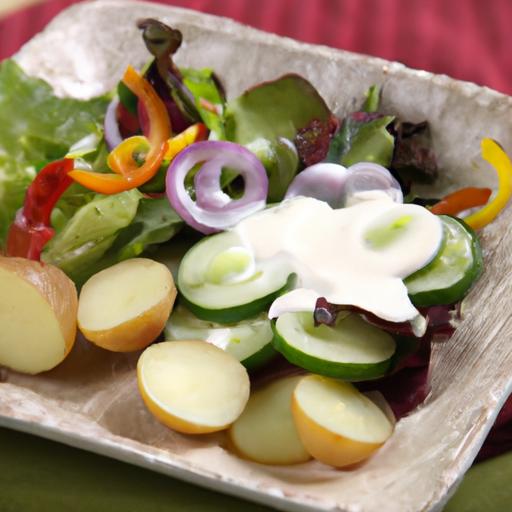

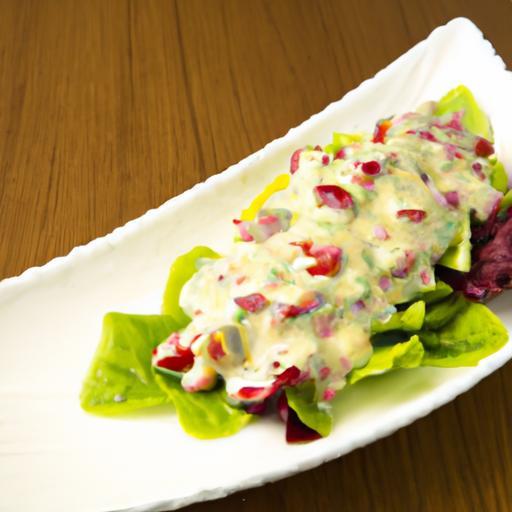
When it comes to dressings, classics like ranch and vinaigrette frequently enough steal the spotlight. Yet, lurking quietly in the condiment corner is a zesty contender with a rich history and unmistakable tang: salad cream. Often overshadowed but never outdone, salad cream offers a unique balance of creamy texture and sharp, vinegary bite that has delighted taste buds for over a century. In this article, we’ll peel back the layers of this beloved British staple, exploring its origins, ingredients, and versatile uses. Prepare to rediscover your salads-and perhaps even your sandwiches-with a tangy twist that’s anything but ordinary.
Salad Cream Uncovered: A Tangy Twist on Classic Dressings
Salad Cream Uncovered reveals the rich history and vibrant personality of this iconic British condiment. Born in the early 20th century, salad cream has carved its niche as a unique option to mayonnaise, offering a tangier, zestier profile that enlivens dishes with a distinctive charm. From humble tea-time sandwiches to sophisticated salad bowls, this versatile dressing continues to inspire culinary creativity across kitchens worldwide.
Prep and Cook Time
- Readiness: 10 minutes
- Cook Time: 5 minutes (if preparing homemade version)
- Total Time: 15 minutes
Yield
- Approximately 1 ¼ cups (300 ml) of salad cream
Difficulty Level
- Easy
Distinctive Ingredients and What Sets Salad Cream Apart
Unlike mayonnaise, which relies heavily on a creamy, neutral base, salad cream boasts a lighter texture and a tangy, sharp flavor profile. it is traditionally crafted from a careful balance of egg yolks, spirit vinegar, mustard, and a touch of sugar. This combination brings forward a bright acidity and subtle sweetness, complemented by the warmth of mustard and sometimes a pinch of paprika or cayenne for a faint hint of spice. The magic lies in the ratio-much more vinegar and mustard compared to mayonnaise-creating its signature zing.
Ingredients
- 2 large egg yolks, at room temperature
- ½ cup (120 ml) spirit vinegar or malt vinegar for a deeper flavor
- 1 tbsp mustard powder or 1½ tbsp prepared English mustard
- 2 tbsp caster sugar, sifted
- ½ tsp salt
- ¼ tsp paprika (optional, for color and mild warmth)
- 1/3 cup (80 ml) vegetable oil or light olive oil
- 3 tbsp water, chilled
Instructions
- Whisk together the egg yolks, mustard powder, sugar, salt, and paprika in a bowl until smooth and creamy.
- Slowly drizzle in the spirit vinegar while continuing to whisk briskly. This helps incorporate the vinegar into the mixture,building the base of your salad cream.
- Gradually add the oil in a thin stream, whisking continuously.Aim for a smooth, emulsified texture, similar to a light mayonnaise but thinner and silkier.
- Add the chilled water to loosen the dressing slightly, whisking until perfectly combined and glossy.
- taste and adjust the seasoning with more salt, sugar, or vinegar according to your preference for tanginess or sweetness.
- Transfer to a clean jar and refrigerate for at least 2 hours before serving. The flavors will mellow and deepen beautifully.
Origins and Evolution of Salad Cream in Culinary History
Emerging in the early 1900s, salad cream became a pantry staple in British households as an affordable and flavorful dressing alternative during times when mayonnaise was considered more of an extravagance. Its origins trace back to a desire for a vibrant, shelf-stable sauce that coudl complement everything from simple salads to cold meats. Over the decades, commercial producers refined the recipe, but savvy home cooks continue to adapt it creatively, honoring its heritage while exploring bold new culinary applications.
Today, salad cream’s evolution shines in fusion dishes and innovative sandwiches, bridging tradition with contemporary flavors.
Creative Ways to Incorporate Salad cream into Everyday Meals
Salad cream’s tangy, creamy character lends itself to a variety of dishes beyond the classic green salad. Drizzle it over crispy fish fingers or roasted vegetables for an extra zing. Use it as a spread for gourmet sandwiches and burgers to introduce a nuanced tang that brightens each bite. mix it with chopped fresh herbs and a squeeze of lemon for a quick, irresistible dip. It’s also fantastic stirred into coleslaw or potato salad, upgrading these comfort foods with an unexpected twist.
Expert Tips for Pairing Salad Cream with Your Favorite Dishes
For balanced flavor, pair salad cream with ingredients that can hold their own against its sharp acidity. Robust greens like kale or rocket, hearty root vegetables, and smoky proteins such as grilled sausages or cured meats create fantastic contrasts. To temper the zing on delicate dishes, combine salad cream with a dollop of crème fraîche or greek yogurt for a mellowed dressing.experiment with fresh herbs like tarragon, chives, and parsley to highlight its complexity. Remember, serving salad cream chilled enhances its refreshing bite, so keep it refrigerated until plating.
Chef’s Notes
- Substitute: Use apple cider vinegar for a fruitier tang or white wine vinegar for subtlety.
- Make-ahead: Salad cream thickens slightly when chilled but can be thinned with a splash of water or vinegar.
- Storage: Keep refrigerated in an airtight container and consume within one week.
- Vegan option: Replace egg yolks with 1 tbsp aquafaba, adjust oil, and whisk vigorously for a plant-based version.
Serving Suggestions
Serve your homemade salad cream alongside crunchy vegetable sticks as a fresh appetizer or drizzle over leafy summer salads for a zingy lift. It pairs brilliantly with classic British fare, including bacon sandwiches and cheese scones. garnish with a sprinkle of freshly cracked black pepper, a few chives, or a scattering of finely chopped pickles to enhance the visual and flavor appeal.

| Nutrient | Per 1 tbsp (15ml) |
|---|---|
| Calories | 45 |
| Protein | 1g |
| Carbohydrates | 2g |
| Fat | 4g |
Explore in-depth salad dressing ideas and recipes in our complete guide to salad dressings. For more past context on British condiments, visit the British Food History Association.
Q&A
Q&A: Salad Cream Uncovered: A Tangy Twist on Classic Dressings
Q1: What exactly is salad cream, and how does it differ from mayonnaise?
A: Salad cream is a beloved British condiment known for its tangy, slightly sweet flavor and creamy texture. Unlike mayonnaise,which is rich and mild,salad cream contains a higher proportion of vinegar and mustard,giving it a zesty kick and thinner consistency. It’s like mayonnaise’s cheekier, more adventurous cousin who loves to brighten up your greens with a splash of tartness.
Q2: Where did salad cream originate?
A: salad cream traces its roots back to the 18th century in England, evolving as a convenient and tasty alternative to customary creamy dressings. It became popular because it could be made with simple pantry ingredients-vinegar, egg yolks, mustard, sugar, and oil-and had a longer shelf life than mayonnaise, making it a household staple in British kitchens.
Q3: What are the classic ingredients that give salad cream its signature tang?
A: The magic of salad cream lies in the balance of sharp vinegar and smooth, whipped egg yolks, intertwined with mustard seeds for an added zing, a pinch of sugar for sweetness, and a touch of oil to bind it all together. sometimes,lemon juice is added to intensify the brightness,creating that unmistakable lively tang.
Q4: How is salad cream used in everyday cooking?
A: Beyond drizzling over crisp leafy salads, salad cream is a versatile multitasker. It adds bite to sandwich fillings, jazzes up cold cuts, and twinkles as a dip for chips or crudités. Its tang cuts through rich foods, making it ideal for potato salads, coleslaw, or even as a secret ingredient in dressings and marinades.
Q5: Can salad cream be a healthier alternative to other creamy dressings?
A: Potentially, yes! Because salad cream is lighter in oil compared to mayonnaise and uses vinegar for flavor rather than heavy fats, it often contains fewer calories and less fat. Though,like all dressings,moderation is key,especially as of its sugar and sodium content.
Q6: Is salad cream popular outside the UK?
A: While salad cream is quintessentially British, its cult following has crossed borders, surfacing in some Commonwealth countries and among foodie adventurers worldwide. It’s slowly gaining international recognition as people seek new ways to brighten their salads with something tangier and less conventional.
Q7: How can home cooks make their own salad cream?
A: Whipping up salad cream at home is surprisingly simple! Combine egg yolk, mustard, vinegar, sugar, lemon juice, and a splash of vegetable oil, then whisk vigorously until the mixture emulsifies into a creamy, tart dressing. Homemade versions allow you to tweak sweetness and acidity to your palate’s delight, making it a fun kitchen experiment with tangy rewards.
Q8: What’s the secret to pairing salad cream with the right ingredients?
A: Salad cream pairs beautifully with crunchy, fresh veggies like cabbage, cucumbers, and radishes. It also complements boiled eggs, smoked fish, and roasted meats, where its sharpness contrasts with rich, earthy flavors. Think of it as the lively sidekick that brings character and balance to your plate.
Q9: Has salad cream evolved with modern culinary trends?
A: Absolutely. While the classic recipe remains a favorite, today’s chefs and home cooks experiment by infusing salad cream with herbs, spices, or even plant-based ingredients, catering to vegan or health-conscious diets. This evolution keeps salad cream fresh and relevant-an old favorite with a tangy new twist.
Q10: Why should salad cream make a comeback in your kitchen?
A: Because it’s a delightful departure from the usual! Its unique tang enlivens dishes without overpowering them, and its creamy texture adds comfort without heaviness. Embracing salad cream means inviting a splash of British culinary heritage-and a tangy twist-to your everyday meals. Give your salads a little zing and let your taste buds dance!
Future Outlook
In the vast world of dressings, salad cream stands out as a zesty ambassador of tangy tradition and quirky charm. Its unique blend of sharpness and creaminess offers a delightful departure from the usual suspects, inviting both the adventurous and the nostalgic to rediscover a classic with a modern twist. Whether drizzled over crisp greens, dolloped onto sandwiches, or stirred into recipes for that unexpected zing, salad cream proves that sometimes, the simplest condiments carry the most flavorful stories. so next time you reach for a bottle, remember-this humble dressing is more than just a splash of sauce; it’s a tangy testament to culinary creativity waiting to enliven your plate.