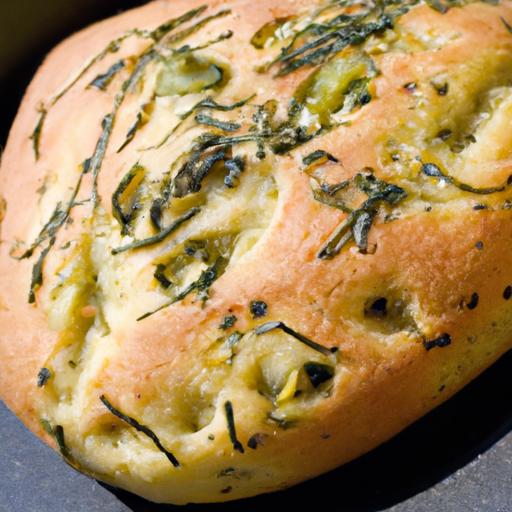

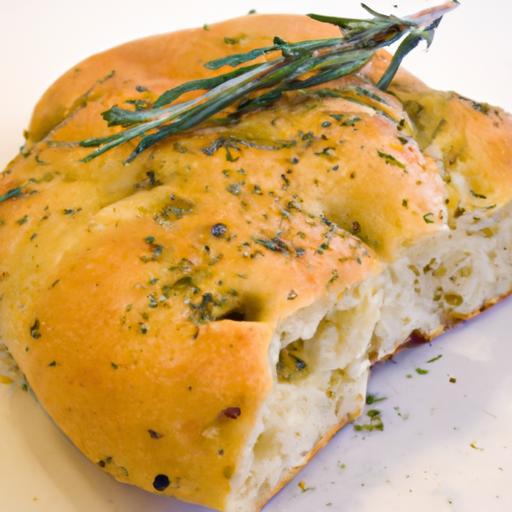
There’s something irresistibly inviting about the warm, golden crust of freshly baked focaccia-an Italian classic that transforms humble bread into an aromatic masterpiece. When infused with a bouquet of fragrant herbs, this beloved flatbread transcends its simplicity, weaving layers of flavor that dance on the palate with every bite. In “Aromatic Herb Focaccia Bread: Crafting flavorful Loaves,” we’ll journey through the art adn science of blending herbs, dough, and technique to create focaccia that not only nourishes but enchants. Whether you’re a seasoned baker or a curious novice, this guide will unlock the secrets to baking loaves bursting with herbal fragrance and rustic charm.
Aromatic Herb Focaccia Bread: Crafting Flavorful Loaves
Few things capture the rustic charm and irresistible aroma of Italian baking quite like aromatic herb focaccia bread. Rooted in the sun-kissed regions of Liguria, this golden flatbread is a canvas for vibrant herbs that infuse every bite with fragrant warmth. Whether pulled fresh from the oven as a snack or served alongside a vibrant antipasto, the harmony of fresh herbs and tender crumb elevates this humble bread to culinary art. Let’s embark on a sensory journey that transforms simple ingredients into a fragrant masterpiece.
prep and Cook Time
- Preparation: 20 minutes
- First Rise: 1 hour
- Second Rise: 30 minutes
- Baking Time: 20-25 minutes
- Total Time: Approximately 2 hours 15 minutes
Yield
One focaccia loaf,serving 6-8 people.
Difficulty Level
Medium: Requires some experience working with yeast dough but approachable with guided steps.
Ingredients
- 3 ½ cups all-purpose flour, sifted
- 1 ¼ cups lukewarm water (about 100°F/38°C)
- 2 ¼ tsp active dry yeast (1 packet)
- 2 tbsp extra virgin olive oil, plus more for drizzling
- 1 tsp fine sea salt, plus extra for sprinkling
- 1 tbsp honey or sugar
- 2 tbsp fresh rosemary leaves, roughly chopped
- 1 tbsp fresh thyme leaves
- 1 tbsp fresh oregano leaves, finely chopped
- Coarse sea salt or Maldon flakes for finishing
- Optional: thinly sliced garlic cloves or sundried tomatoes
Instructions
- Activate the yeast. In a small bowl, combine lukewarm water, honey, and yeast. Stir gently and let it sit for 5-7 minutes untill foamy.This indicates the yeast is lively and ready.
- Mix the dough. In a large mixing bowl, sift the flour and salt together. Make a well in the center and pour in the activated yeast mixture along with 2 tablespoons of olive oil. stir with a wooden spoon until the dough starts to come together.
- Knead the dough. Transfer the dough onto a lightly floured surface and knead for 8-10 minutes until smooth and elastic. Avoid adding too much flour; a slightly sticky dough creates an airy crumb.
- First rise. Place the dough in a lightly oiled bowl, cover with a damp cloth or plastic wrap. Let it rise in a warm spot for about 1 hour or until it doubles in size.
- Prepare the herbs and shape the dough. While the dough is rising, gently chop the fresh rosemary, thyme, and oregano. After rising, punch down the dough and transfer it to a greased baking tray. Stretch the dough with your fingertips into a rough rectangle about 1 inch thick. don’t worry about perfect edges-this rustic look is charming.
- Infuse herbs into the dough. Gently drizzle 1 tablespoon of olive oil over the surface. Then, sprinkle half of the fresh herbs evenly and press them lightly into the dough.Using your fingertips, dimple the surface deeply but without tearing the dough-these pockets will become golden craters.
- Second rise. Cover the dough loosely and let it rest for 30 minutes. The dimples will deepen, and the dough will puff slightly.
- Finish with herbs and seasoning. Drizzle the remaining olive oil over the dough. Scatter the rest of the fresh herbs and a generous pinch of coarse sea salt or flaky salt. For contrast, you may add thinly sliced garlic or sun-dried tomatoes now.
- Bake to perfection. Preheat your oven to 450°F (230°C) with a baking stone or sheet inside for 30 minutes for even heat. Place the focaccia on the hot stone/sheet and bake for 20-25 minutes or until the crust turns deep golden and crisp. The aroma of baked herbs will fill your kitchen-a true indicator of success.
- Cool and serve. Remove from oven and allow the focaccia to cool slightly on a wire rack for 10 minutes before slicing. This resting period finalizes the crumb texture and makes cutting effortless.
Chef’s Notes: Tips for Success
- Fresh herbs make all the difference. For supreme fragrance, harvest herbs early morning when their oils are most concentrated or buy from trustworthy markets. Avoid using dried herbs as they can impart bitterness.
- Hydration is key. A slightly wetter dough ensures open crumb and tender focaccia. Resist adding extra flour during kneading unless absolutely necessary.
- Oil quality. Use a top-quality extra virgin olive oil for drizzling and flavor infusion; it plays a starring role in aroma and taste.
- Make-ahead option. Prepare the dough the night before, letting it rise slowly in the fridge overnight, then shape and bake fresh the next day for convenience.
- Troubleshooting. If your focaccia feels dense, ensure yeast is active (check expiration date) and that the dough has had sufficient rising time in a warm environment.
Serving suggestions
The beauty of aromatic herb focaccia bread lies in its versatility. Serve warm with a drizzle of more olive oil and a sprinkle of flaky salt.Pair with aged cheeses, marinated olives, or fresh tomato salad for a Mediterranean feast. For an enticing appetizer, slice into squares and top with whipped ricotta and a basil leaf. The golden crust and fragrant herb pockets make this both rustic and elegant on any table.

nutritional Information
| nutrient | Per Serving |
|---|---|
| calories | 240 kcal |
| Protein | 6 g |
| Carbohydrates | 40 g |
| Fat | 6 g |
For more on the vibrant use of fresh herbs in Mediterranean baking, explore our detailed guide on fresh Herbs in italian Cooking.Also, discover the science behind yeast and bread rise from King Arthur Baking’s expert resources.
Q&A
Q&A: Aromatic Herb Focaccia Bread – Crafting Flavorful Loaves
Q1: What makes focaccia bread so special compared to other types of bread?
A1: Focaccia is frequently enough described as the quintessential Italian flatbread – airy yet substantial, with a golden crust that’s crispy outside and pillowy inside.Its magic lies in its simplicity and versatility; with the right balance of olive oil, salt, and herbs, focaccia transforms from a humble bread into an aromatic flavor sensation.
Q2: Which herbs are best suited for creating an aromatic focaccia?
A2: The classic herb trio of rosemary, thyme, and oregano is a foolproof starting point. Rosemary, with its piney fragrance, pairs beautifully with the rich olive oil. Thyme adds subtle earthiness, and oregano brings a slightly peppery warmth. Fresh basil or sage can also elevate the bread with their distinct notes, creating a personalized herb symphony.
Q3: How do you incorporate herbs to maximize their aroma and flavor in focaccia?
A3: Timing and technique are key. Coarsely chop fresh herbs and sprinkle them liberally over the dough just before baking, allowing their oils to infuse during the hot oven session.You can also gently press whole sprigs into the dough surface, which release fragrance as they bake. For a deeper herbaceous note, mix some finely chopped herbs directly into the dough during kneading.
Q4: What role dose olive oil play in aromatic focaccia bread?
A4: Olive oil is the heart and soul of focaccia. It not only tenderizes the dough but acts as a carrier for herb flavors, amplifying their aroma. Drizzling high-quality extra virgin olive oil before and after baking ensures a luscious crust with flavorful pockets, creating that signature rustic, golden sheen.
Q5: Can focaccia be customized beyond herbs?
A5: Absolutely! Focaccia is a blank canvas. Add sun-dried tomatoes, caramelized onions, olives, or even thinly sliced garlic for extra layers of flavor. Experimenting with flavored salts, like smoked sea salt or garlic salt, can also boost the aromatic profile without overwhelming the herbs.
Q6: What baking tips ensure the perfect herb-infused focaccia?
A6: start with a well-hydrated dough – it should be slightly sticky to create those classic airy holes. Don’t skimp on the proofing time; letting the dough rise twice ensures a fluffy crumb. When dimpled out, drizzle olive oil generously and gently press herbs into those indentations. Bake at a high temperature (around 450°F/230°C) to get that luscious crust quickly without drying out the inside.
Q7: How should aromatic herb focaccia be stored to maintain freshness?
A7: Focaccia is best enjoyed fresh, but if needed, wrap it tightly in foil or plastic wrap and store at room temperature for up to 2 days. To revive its crispness, warm the bread briefly in a hot oven (around 350°F/175°C) before serving. For longer storage,freeze the focaccia wrapped well and thaw gently at room temperature.
Q8: Can herb focaccia be used beyond just a side bread?
A8: Definitely! Use it as a flavorful base for sandwiches, tear it up for salads or soups, or create gourmet bruschetta topped with fresh tomatoes and mozzarella. Its aromatic profile lends itself beautifully to creative culinary uses, making it much more than just a bread-it’s a versatile ingredient that elevates any meal.
Crafting aromatic herb focaccia is a delightful journey where simple ingredients come alive, releasing a bouquet of flavors that dance with every bite. By understanding the nuances of herbs,olive oil,and dough,you can transform an ordinary loaf into an exceptional centerpiece of your table.
Closing Remarks
As the final golden crust cracks beneath your hands and the warm aroma of rosemary, thyme, and sage fills the air, you’ll realize that crafting aromatic herb focaccia is more than just baking-it’s an invitation to savor the simple elegance of herbs woven deeply into each tender crumb. Whether shared at a bustling family table or enjoyed as a quiet, flavorful escape, this loaf embodies the essence of rustic charm and culinary creativity. so next time you crave a bread that speaks volumes without saying a word, remember: a few fragrant herbs and a touch of patience are all you need to transform flour and water into something truly unforgettable. Happy baking!