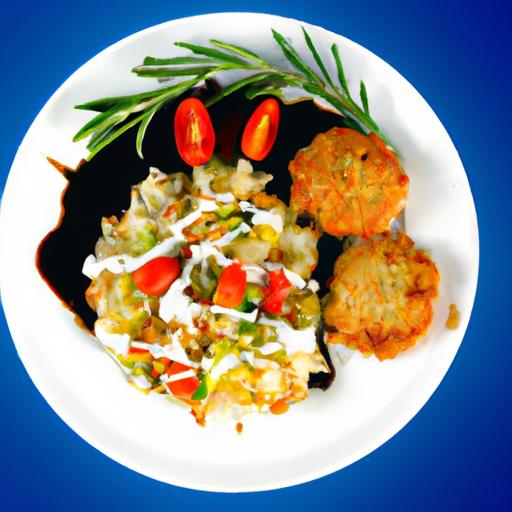

Few culinary delights capture the essence of coastal charm quite like a perfectly crafted crab cake. With its golden, crispy exterior giving way to a tender, flavorful center brimming with sweet, succulent crab meat, this beloved dish is both a comfort food and a sophisticated indulgence. Whether you’re a seasoned cook or a curious foodie eager to explore the nuances of seafood cuisine, mastering the perfect crab cake is an art worth pursuing. In this flavorful recipe guide, we’ll dive deep into the secrets of selecting the freshest crab, balancing seasonings, and achieving that ideal texture-ensuring every bite is a celebration of taste and tradition. Get ready to embark on a culinary journey where flavor meets finesse, right from your own kitchen.
mastering the Perfect Crab Cake: A Flavorful Recipe Guide
Mastering the perfect crab cake unlocks a world of indulgent flavors and textures that honor this beloved seafood classic. Whether you’re drawn by its coastal heritage or simply crave a golden, crispy exterior giving way to sweet, tender crab meat, this guide teaches you how to achieve crab cake perfection at home.
Choosing the Freshest Crab for Maximum Flavor
The foundation of any exceptional crab cake is the quality of the crab itself. For the most vibrant flavor and ideal texture, opt for lump crab meat – large chunks promise a luxurious bite and highlight the crab’s natural sweetness. Freshness is key; seek out crab sourced locally or at trusted markets with clear labeling-avoid canned or pasteurized varieties if freshness is your goal. When picking your crab, look for meat that’s moist, pale, and free of excessive brine or grayish discoloration.
For those curious,Seafood Watch provides excellent guidance on sustainable crab buying, ensuring your choice is both flavorful and eco-conscious.
Balancing Ingredients to Achieve the ideal Texture
Crafting the crab cakes’ texture demands a delicate balance between binding ingredients and the meat’s natural flakiness. To much binder like mayonnaise or breadcrumbs weighs down the cake, muting the crab’s star quality. Too little,and the cakes risk collapsing during cooking.
Use just enough mayonnaise for creaminess and light breadcrumbs to bind gently without overpowering. A touch of Dijon mustard heightens flavor while helping structure, and fresh herbs like chives add subtle complexity. Gentle folding preserves the lumps of crab, ensuring each bite bursts with pure ocean sweetness.
Secrets to Crisping the Ultimate Golden Crust
Achieving that irresistible golden crust is part science, part artistry. Start with a well-oiled pan heated to medium-high – the oil’s shimmer signals it’s ready. Avoid overcrowding; cook crab cakes in batches for even, crispy results. Pat cakes dry before cooking to minimize splatter and enhance browning.
For an extra crunch boost, a light dusting of panko breadcrumbs on the exterior before searing helps lock in moisture and create that iconic texture contrast. Flip carefully using a thin spatula once the edges turn deep golden brown-typically about 3-4 minutes per side. rest briefly before serving to let flavors meld and maintain structure.
Serving Suggestions That Elevate Your Crab Cake Experience
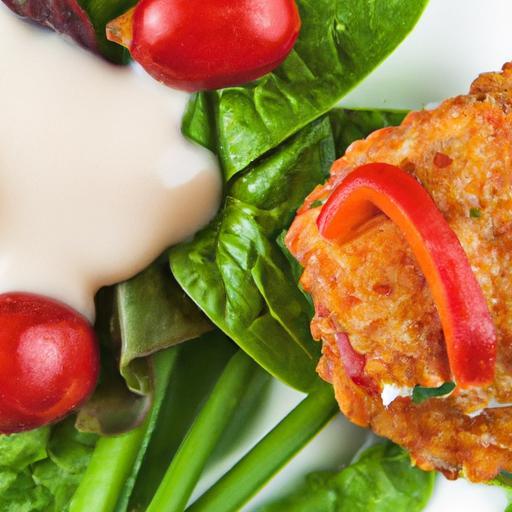
Present your crab cakes with flair to complement their complex flavor profile.A dollop of homemade lemon aioli or classic tartar sauce offers creamy brightness.Garnish with fresh herbs, thinly sliced radishes, or microgreens for visual appeal and added freshness.
Pair with crisp, light sides like a simple arugula salad dressed in citrus vinaigrette or roasted baby potatoes dusted with smoked paprika.For an indulgent touch,serve alongside buttery corn on the cob or creamy coleslaw. Don’t forget a wedge of fresh lemon-its zest and acidity illuminate every bite.
Prep and Cook Time
- Preparation: 20 minutes
- Cooking: 15 minutes
- Total: 35 minutes
Yield
Serves 4 people (makes 8 crab cakes)
Difficulty Level
Medium – Perfect for home cooks eager to impress with seafood finesse
Ingredients
- 1 lb lump crab meat, picked over for shells
- 1/4 cup mayonnaise
- 1 large egg, beaten
- 2 tsp Dijon mustard
- 1 tsp Worcestershire sauce
- 1 tbsp fresh chives, finely chopped
- 1/2 cup light breadcrumbs (plus extra for coating)
- 1 tsp Old Bay seasoning
- Salt and freshly ground black pepper, to taste
- 1/4 cup panko breadcrumbs (for crust)
- 2-3 tbsp vegetable oil, for frying
- Lemon wedges, for serving
- Optional: chopped parsley or microgreens, for garnish
Instructions
- Prepare the crab mixture: In a large bowl, gently combine the lump crab meat, mayonnaise, beaten egg, Dijon mustard, Worcestershire sauce, chives, light breadcrumbs, Old bay seasoning, salt, and pepper. Be careful not to overmix-maintain crab lumps for a flaky texture.
- Form the cakes: Using your hands or a 1/4-cup measuring cup,shape the mixture into 8 even patties. Lightly press panko breadcrumbs onto each cake for an extra crispy coating.
- Chill: Place the crab cakes on a lined baking sheet and refrigerate for at least 30 minutes. This firms them up and helps hold shape during cooking.
- Heat the pan: Warm 2 tablespoons of vegetable oil in a large skillet over medium-high heat until shimmering.
- Cook the crab cakes: Carefully add 4 crab cakes without crowding.Fry for 3-4 minutes per side, or until deeply golden and crisp. Adjust heat as necessary to prevent burning.
- Drain and rest: Transfer cooked cakes to a paper towel-lined plate to drain excess oil. Rest for 5 minutes before serving.
- Serve: Plate with lemon wedges and your choice of sauces or greens. Garnish with fresh herbs or microgreens for a professional finish.
Tips for Success
- Choose lump crab meat whenever possible-its large pieces provide the signature crab cake texture.
- Don’t overstir the mixture. Keeping it loose guarantees a tender,flaky result.
- if you prefer less frying, bake crab cakes on a parchment-lined sheet at 400°F for 12-15 minutes, flipping halfway.
- For a gluten-free option, substitute gluten-free breadcrumbs or crushed almonds.
- Make ahead: Form cakes and refrigerate overnight, then cook fresh for for a stress-free dinner.
Serving Suggestions to Complement your Crab Cake
Elevate every bite by serving with zesty lemon aioli or a tangy remoulade. Add a fresh salad tossed with citrus vinaigrette or a bed of vibrant baby arugula for balance. Splendid sides include roasted fingerling potatoes, grilled seasonal vegetables, or chilled corn salad dressed in fresh herbs and light mayo.

| Nutrient | Per serving (2 crab cakes) |
|---|---|
| Calories | 320 kcal |
| Protein | 25 g |
| Carbohydrates | 15 g |
| Fat | 18 g |
For more seafood inspiration, take a look at our article on Citrus Herb Dressed Shrimp Salad which pairs beautifully with crab cakes for a summer feast.
Q&A
Q&A: Mastering the Perfect Crab Cake – A Flavorful Recipe Guide
Q1: What makes a crab cake truly “perfect”?
A1: The perfect crab cake strikes a harmonious balance between sweet, succulent crab meat and a golden, crispy crust. It’s moist without being mushy, richly flavored yet delicately seasoned to highlight the crab’s natural sweetness.Texture plays a crucial role - tender interior meets a lightly crunchy exterior.
Q2: Which type of crab meat should I use for the best crab cakes?
A2: Lump crab meat is the star ingredient for gourmet crab cakes, prized for its large, intact chunks and sweet flavor. Avoid “flaked” or “picked” meat if you want that signature texture. Fresh or high-quality fresh-frozen lump crab will elevate your dish to seafood royalty.
Q3: How do breadcrumbs contribute to the recipe, and can I substitute them?
A3: Breadcrumbs act as a gentle binder, holding the crab cake together without overpowering it. they also provide subtle texture contrast. Panko breadcrumbs are favored for their light, airy crunch. For a gluten-free twist, crushed saltines, crushed crackers, or almond flour can work beautifully – just keep the balance so your cakes stay tender.
Q4: What secret seasonings take a crab cake from good to unforgettable?
A4: classic seasonings include old Bay seasoning, a pinch of cayenne pepper, Dijon mustard, and a dash of Worcestershire sauce. Fresh parsley or chives add brightness, while a hint of lemon zest enlivens the flavor. Remember, subtlety is key - you want to enhance, not mask, the crab’s natural sweetness.
Q5: Should crab cakes be baked or fried? Which method is better?
A5: Both methods have their merits! Frying in a bit of butter or oil yields a luscious, golden crust and rich flavor, perfect for that indulgent bite. Baking is a lighter option, producing tender crab cakes with a more delicate crust. Some chefs combine both: bake first to cook through, then quick-fry for crispy perfection.Q6: How do I prevent crab cakes from falling apart during cooking?
A6: The key is gentle handling and the right binder ratio. Use just enough mayonnaise or egg to hold the mixture together without making it soggy. Chill the formed patties for at least 30 minutes before cooking to firm up. Also, avoid over-mixing – fold ingredients lightly to keep the lumps intact.
Q7: What are some delicious serving suggestions for crab cakes?
A7: Crab cakes shine alongside tangy remoulade or a zesty tartar sauce. Serve with fresh lemon wedges to brighten each bite. They pair wonderfully with simple sides like a crisp green salad,garlic butter asparagus,or roasted corn succotash. For a twist, place atop a bed of tangy slaw or creamy avocado puree.Q8: Can I add any unique ingredients to personalize my crab cakes?
A8: Absolutely! For an adventurous flair, mix in diced mango or jalapeño for bursts of sweetness and heat. Swap parsley for fresh cilantro and add a hint of cumin for a Southwestern vibe. Incorporate finely chopped bacon or a touch of smoked paprika to add smoky depth. Let your palate be your guide, but always keep the crab front and center.Q9: How far in advance can I prepare crab cakes?
A9: You can assemble the crab cakes up to 24 hours in advance and keep them covered in the refrigerator. just remember to let them come to room temperature before cooking for even heating. To save time on busy days, prepare and freeze uncooked crab cakes – thaw thoroughly before cooking for fresh-from-the-sea flavor anytime.
Q10: What is the biggest mistake to avoid when making crab cakes?
A10: The cardinal sin is overloading the mixture with fillers or handling it too roughly, which leads to dense, dry, or crumbly cakes. another pitfall is over-seasoning and overshadowing the delicate crab flavor. Keep it light, fresh, and simple – and your crab cakes will sing with every bite.
In Conclusion
As you embark on your journey to master the perfect crab cake, remember that each step-from selecting the freshest crab meat to balancing spices and achieving that golden, crispy crust-is a flavorful dance of technique and passion. With this guide in hand, you’re not just cooking; you’re crafting a culinary experience that celebrates the sea’s bounty and the art of comfort food. So,gather your ingredients,trust your instincts,and savor every bite of your homemade masterpiece.In the world of crab cakes, perfection isn’t just a goal-it’s a delicious adventure waiting to be savored.