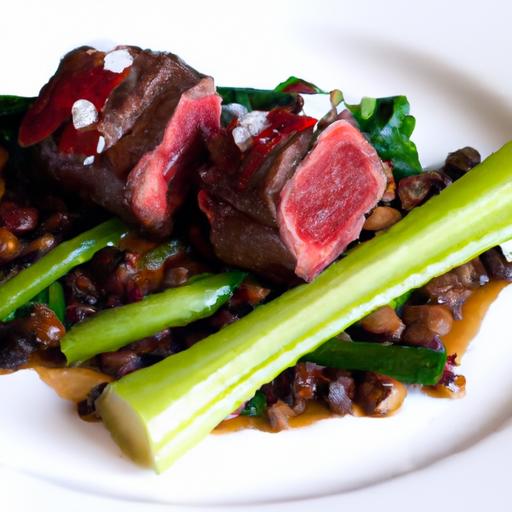

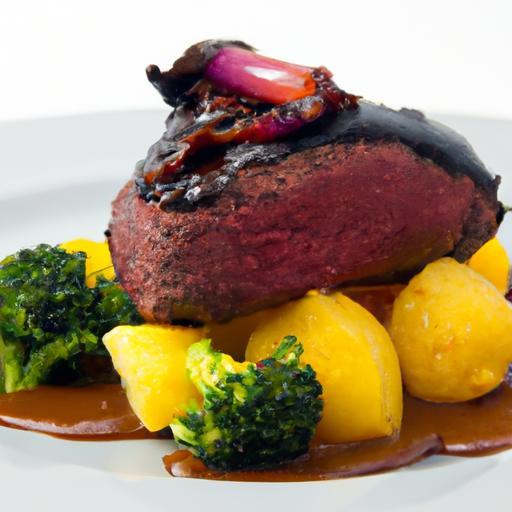
Hidden away in the culinary shadows, beef cheeks have long been the unsung heroes of the meat world-tough on the surface but meltingly tender when treated with care. Once overlooked as humble leftovers, these richly flavorful cuts are now winning the spotlight in kitchens from rustic stews to gourmet plates. In “Beef Cheeks Unveiled: Tender Cuts Worth Savoring,” we’ll explore the captivating journey of this often underestimated cut, uncovering why its unique texture and deep, beefy taste make it a prized ingredient for chefs and home cooks alike. Prepare to discover the secrets behind turning these cheeky morsels into unforgettable dishes that redefine comfort and sophistication.
Beef cheeks reveal a culinary treasure rich in both texture and flavor, embodying a hearty depth that’s perfect for slow cooking enthusiasts.Originating from lesser-known cuts once overlooked, this humble ingredient transforms into an exquisite delicacy when prepared with care, boasting melt-in-your-mouth tenderness and a robust, beefy character that warms the soul. My first encounter with beef cheeks was at a rustic countryside bistro, where the dish lingered on my palate as a true testament to the magic of slow-cooked braises. Today, I invite you to uncover the allure of beef cheeks in your own kitchen, mastering techniques and flavors that elevate this rustic cut to fine-dining perfection.
Prep and Cook Time
Preparation: 20 minutes
Cooking: 3 to 4 hours (slow braising)
Total Time: Approximately 4 hours
Yield
Serves 4 hearty portions
Difficulty Level
Medium – Perfect for adventurous home cooks ready to embrace slow cooking
ingredients
- 2 lbs beef cheeks, trimmed of excess fat and sinew
- 1 cup all-purpose flour, for dredging
- 3 tbsp olive oil
- 1 large onion, finely chopped
- 3 garlic cloves, minced
- 2 large carrots, peeled and diced
- 2 celery stalks, diced
- 1 cup dry red wine (such as Cabernet Sauvignon)
- 2 cups beef broth, preferably homemade or low-sodium
- 2 sprigs fresh thyme
- 1 sprig fresh rosemary
- 2 bay leaves
- Salt and freshly ground black pepper, to taste
- 1 tbsp tomato paste
- Optional: Splash of balsamic vinegar for acidity
Instructions
- Prepare the beef cheeks: Pat dry with paper towels. Season generously with salt and pepper. Dredge each cheek in flour, shaking off excess.
- Sear the meat: Heat olive oil in a heavy-bottomed dutch oven over medium-high heat. Add beef cheeks and brown on all sides, about 3-4 minutes per side.Remove and set aside.
- Sauté the aromatics: Lower heat to medium.Add onion, carrots, and celery to the pot. Cook until softened and golden, about 7 minutes, stirring occasionally.
- Add garlic and tomato paste: Stir in garlic and cook for 1 minute. Blend in tomato paste and sauté for 2 more minutes to deepen flavors.
- Deglaze the pot: Pour in the red wine, scraping up all browned bits from the bottom. Simmer until reduced by half, about 5-7 minutes.
- Return beef cheeks and add liquids: Nestle the cheeks back into the pot.Pour beef broth over, ensuring the meat is mostly submerged.
- Herbs and seasoning: Add thyme, rosemary, and bay leaves. Adjust salt and pepper as needed. For added complexity, stir in a splash of balsamic vinegar.
- Slow cook: Bring to a gentle simmer, then cover and transfer to a preheated 300°F (150°C) oven. Braise for 3 to 4 hours until cheeks are remarkably tender and easily pulled apart with a fork.
- Rest and serve: Remove the meat and keep warm. Strain and reduce the braising liquid over medium heat if desired for a luscious sauce. Serve beef cheeks drizzled generously with this rich jus.
Chef’s Notes and Tips for Success
- choosing your beef cheeks: Look for bright red meat with firm texture. Avoid cuts that appear grayish or overly fatty. Local butchers can frequently enough provide fresher options than supermarkets.
- Prepping for tenderness: Removing sinew and silver skin improves mouthfeel considerably. Patience during the slow braise is key - rushing the process risks toughness.
- Variations: Experiment with aromatics such as star anise or smoked paprika for an exciting twist. Slow cooker adaptations work wonderfully, maintain liquid levels to prevent drying.
- Make-ahead tip: The dish tastes even better the next day as flavors deepen. Refrigerate and gently reheat with additional broth if needed.
- complementary textures: Add a side of creamy mashed potatoes or buttery polenta to soak up the sauce. bright garnishes like fresh parsley or microgreens add contrast and freshness.
Serving Suggestions to elevate Your Dish
present beef cheeks over a bed of silky mashed potatoes or rustic root vegetable puree.A sprinkle of fresh herbs such as thyme leaves or chopped chives adds vibrant color and a fragrant lift.For an elegant finish, garnish with crispy fried shallots or parmesan shards. Pair with a glass of robust red wine, echoing the depth of the braise, to complete this indulgent plate.
| Nutrient | Amount (per serving) |
|---|---|
| Calories | 480 kcal |
| Protein | 45 g |
| Carbohydrates | 12 g |
| Fat | 27 g |
Discover more about the perfect meat pairings and cooking techniques in our guide to braising meats.For additional beef insights and safety tips, visit the USDA Food Safety website.

Q&A
Q&A: Beef Cheeks Unveiled – Tender Cuts Worth Savoring
Q: What exactly are beef cheeks?
A: Beef cheeks are the muscular meat from the facial muscles of a cow. Often overlooked, these cuts are packed with rich connective tissue, which, when cooked slowly, transforms into irresistibly tender and flavorful morsels.
Q: Why are beef cheeks considered a delicacy?
A: Their unique texture and intense beefy flavor make them stand out. As they come from a heavily exercised muscle, they’re tougher initially, but this encourages slow cooking methods that yield melt-in-your-mouth results-a true reward for patience.
Q: How should beef cheeks be cooked to bring out their best?
A: Slow and steady wins the race! Braising, slow roasting, or cooking in a stew over low heat for several hours breaks down the collagen into luscious gelatin, giving the cheeks that silky richness we crave.
Q: Can you describe the flavor profile of beef cheeks?
A: Think deep, beefy, and hearty with a subtle sweetness. The long cooking process intensifies these flavors, creating a savory and comforting taste experience that pairs beautifully with robust seasonings and sauces.
Q: Are beef cheeks a common cut in everyday cooking?
A: Not traditionally, but they’re gaining popularity among adventurous home cooks and chefs eager to explore nose-to-tail dining. They’re a fantastic way to introduce variety and sustainability into your kitchen.
Q: What dishes highlight beef cheeks best?
A: Classic braises like red wine-braised beef cheeks, slow-cooked tacos with tender cheeks, or even rich stews and ragouts celebrate this cut brilliantly, showcasing their texture and flavor.
Q: Any tips for buying and storing beef cheeks?
A: Look for fresh, deep-red cheeks with visible marbling. They’re usually sold vacuum-packed and should be kept refrigerated, used within a couple of days, or frozen for longer storage.
Q: Are beef cheeks nutritious?
A: Absolutely! Beyond their luscious taste, beef cheeks provide a good source of protein, iron, and collagen, supporting everything from muscle health to skin elasticity.Q: Can beef cheeks be grilled or cooked quickly?
A: Given their tough nature, speedy grilling isn’t recommended. they require low, slow cooking to break down tough fibers, so patience is key to unlocking their full potential.
Q: Why should adventurous food lovers give beef cheeks a try?
A: Because they transform humble ingredients into extraordinary dishes. Beef cheeks teach us that with time and care,even the moast unassuming cuts can become culinary gems worth savoring.
Closing Remarks
In the world of culinary treasures, beef cheeks stand out as a humble yet extraordinary ingredient-offering a depth of flavor and tenderness that few cuts can match. By embracing this often overlooked gem, chefs and home cooks alike unlock a rich tapestry of textures and tastes worthy of party. So next time you seek a dish that combines hearty tradition with melt-in-your-mouth satisfaction, remember: beef cheeks are not just cuts of meat-they’re a culinary secret waiting to be unveiled and savored.