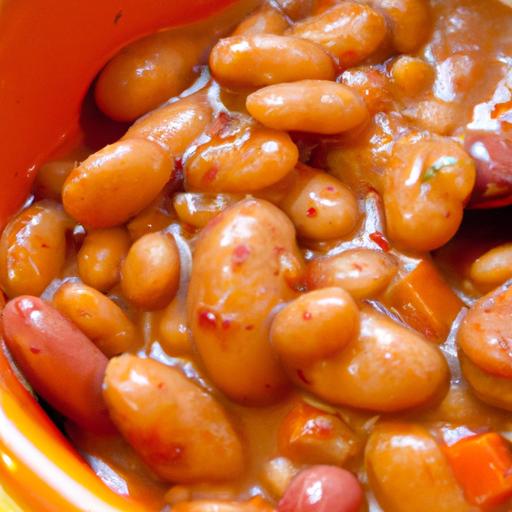

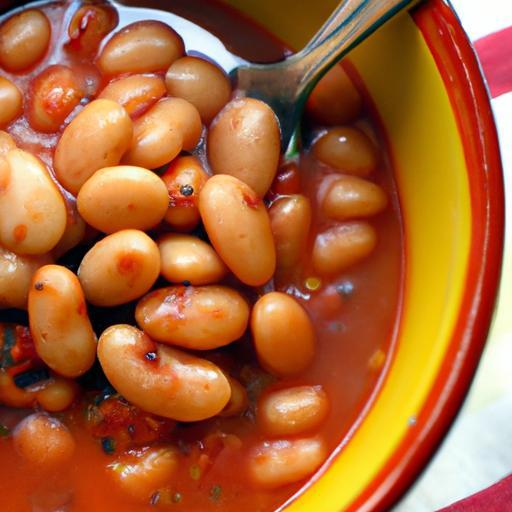
In the vast and vibrant tapestry of British culinary traditions, few staples hold a place as comforting and iconic as the humble baked bean. Often found gracing breakfast plates, warming up a lunch, or adding a touch of homey goodness too supper, british baked beans tell a story that is as rich and hearty as their tangy tomato sauce. From their transatlantic origins to their evolution into a beloved pantry essential, the savory journey of British baked beans reveals more than just a simple side dish - it’s a tale of culture, adaptation, and enduring delight. Join us as we peel back the layers of this classic favorite and explore how somthing so modest became a cherished symbol of British food heritage.
British baked beans have long held a cherished place in culinary history, celebrated for their hearty, comforting flavor and versatile appeal. This beloved dish, with roots tracing back to simple peasant fare, quickly evolved through the ages into a staple of the British breakfast table and beyond. The savory story of British baked beans is one of tradition meeting innovation, where humble beans are transformed through key ingredients and meticulous techniques into a rich and satisfying experience.
prep and Cook Time
- Planning: 10 minutes
- Cooking: 45 minutes
- Total Time: 55 minutes
Yield
Serves 4 as a side dish or a comforting centerpiece.
difficulty Level
Easy - perfect for cooks of all experience levels seeking classic British comfort food.
Ingredients
- 400g canned navy beans (drained and rinsed)
- 1 small onion, finely chopped
- 2 cloves garlic, minced
- 100ml tomato purée (rich and smooth)
- 2 tbsp brown sugar (for that perfect caramelized sweetness)
- 1 tbsp malt vinegar (adds the signature tang)
- 1 tsp smoked paprika (for gentle smokiness)
- 1 tsp mustard powder
- 200ml water
- 1 tbsp vegetable oil or unsalted butter
- Salt and freshly ground black pepper to taste
Instructions
- heat the oil in a medium saucepan over medium heat. Add the finely chopped onion and sauté until golden brown,about 5 minutes,stirring occasionally to prevent sticking.
- Add the garlic and cook for another minute until fragrant but not burnt.
- Stir in the tomato purée, brown sugar, malt vinegar, smoked paprika, and mustard powder. Mix well to blend the flavors and let it simmer for 2-3 minutes, allowing the sauce to thicken slightly.
- add the drained navy beans and pour in the water. Stir gently to coat the beans in the sauce.
- Season with salt and pepper according to your taste.
- Reduce the heat to low, cover, and let simmer gently for 30 minutes, stirring occasionally, until the sauce is thickened and the beans are tender but intact.
- Remove the lid and simmer uncovered for an additional 5-10 minutes if you prefer a thicker sauce.
Chef’s Notes: Tips for Success
- Opt for high-quality canned navy beans or prepare dried beans soaked overnight for an even creamier texture.
- Balancing sweetness with acidity is key: adjust brown sugar and malt vinegar to suit your palate.
- For a smoky, meaty depth, add a small piece of smoked bacon or a dash of liquid smoke.
- To make the dish ahead, cool completely and refrigerate for up to 2 days; reheat gently, adding a splash of water if sauce thickens too much.
- Exploring spice variations such as a pinch of cayenne pepper or fresh thyme can add a personal twist without losing the classic essence.
Innovative Twists on the Conventional Baked Beans Recipe
Elevate your British baked beans by blending classic flavors with modern inspiration. Consider adding diced chorizo for a spicy flair or a spoonful of maple syrup to introduce a subtle sweetness that complements the tangy base. Roasting fresh tomatoes before puréeing them intensifies the flavor, while including sautéed mushrooms adds a hearty, umami twist. For a vegan option, incorporate smoked paprika and liquid smoke to replace the meatiness traditionally provided by bacon.
Pairing Suggestions to Elevate Your British Baked Beans Experience
For a true taste celebration, serve your baked beans alongside grilled thick-cut British back bacon or crispy Cumberland sausages. Toasted sourdough or buttered English muffins provide a satisfying crunch to contrast the creamy beans. For a lighter option, pair with steamed greens like kale or tender minted peas. Garnish with fresh parsley or chives to add a burst of color and freshness. A softly poached egg perched on top brings richness and an indulgent silkiness, rounding out the dish beautifully.
| Nutrient | Per Serving |
|---|---|
| Calories | 210 |
| Protein | 11g |
| Carbohydrates | 35g |
| Fat | 3g |

For more classic British comfort dishes, check out our Ultimate Full English Breakfast guide. To explore the engaging history of beans in British cuisine, visit the British Food History archive.
Q&A
Q&A: The Savory Story of British Baked Beans – A classic Delight
Q1: what exactly are British baked beans, and how do they differ from other baked bean varieties?
A1: British baked beans are tender haricot beans simmered in a lightly sweetened tomato sauce, creating a comforting and mildly tangy flavor. Unlike the sweeter, spicier versions found in some American recipes, the British style is subtly seasoned, making them perfect companions to a traditional English breakfast. Their simplicity and mildness set them apart as a uniquely British staple.
Q2: How did baked beans become a beloved part of British cuisine?
A2: The journey began in the early 20th century when canned baked beans were introduced to Britain, heavily influenced by North American cuisine.What started as an exotic convenience quickly became a pantry hero, especially during wartime rationing when beans offered a cheap and nutritious protein boost. Over the decades, they embedded themselves into the British culinary fabric, rising beyond convenience to iconic status.
Q3: Why are baked beans frequently enough associated with the traditional English breakfast?
A3: The traditional English breakfast is a hearty symphony of flavors-eggs, sausages, bacon, mushrooms, and toast-all balanced by the sweet and savory hug of baked beans. Their soft texture and rich tomato sauce provide a juicy contrast to the crispness of fried items. This combination offers calories and comfort, perfect for fueling a busy day, making baked beans a breakfast bard’s essential.
Q4: Are baked beans nutritionally significant in British diets?
A4: Absolutely! Baked beans are a surprising source of plant-based protein, dietary fiber, and essential minerals like iron and magnesium. They’re low in fat and cholesterol-free,which makes them both a tasty and healthful addition to meals. For vegetarians and those seeking affordable nutrition, they are a kitchen champion.
Q5: Have British baked beans evolved over time,or are they pretty much the same as their original versions?
A5: While traditional recipes remain beloved,innovation has crept into tins and tables alike. Organic varieties, reduced-sugar versions, and recipes with spices or herbs now share shelf space with the classic. still, the essence of British baked beans-the soft beans in a smooth tomato sauce-endures, proving that some classics are timeless.
Q6: Can baked beans be enjoyed outside breakfast?
A6: Certainly! Though breakfast fame crowns them,British baked beans moonlight brilliantly as a quick lunch spread on buttered toast,a comforting side for jacket potatoes,or a cozy ingredient in casseroles and stews. Their versatility is part of their charm, inviting culinary creativity beyond the morning plate.
Q7: What makes British baked beans a cultural icon beyond just a food item?
A7: Beyond nourishment,baked beans evoke nostalgia and communal identity.They’re linked to childhood memories of school breakfasts, pub grub, and family gatherings. Their iconic status is celebrated in art, literature, and even humor, symbolizing simplicity, warmth, and the quirky heart of British culinary heritage. In every spoonful lies not just taste, but a story of tradition and togetherness.
This Q&A sheds light on the savory heritage of British baked beans, inviting readers to appreciate this humble dish as a classic British delight.
Future Outlook
From humble beginnings as a simple pantry staple to a beloved icon on breakfast plates, British baked beans have woven themselves into the culinary fabric of the nation. Their rich, savory sweetness tells a story of tradition, innovation, and comfort that transcends generations.Whether spooned generously over toast on a misty morning or simmered slowly in a hearty stew, these little beans continue to warm hearts and kitchens alike. As we savor each bite, we’re reminded that sometimes, the simplest dishes carry the most enduring stories-a true classic delight that’s here to stay.