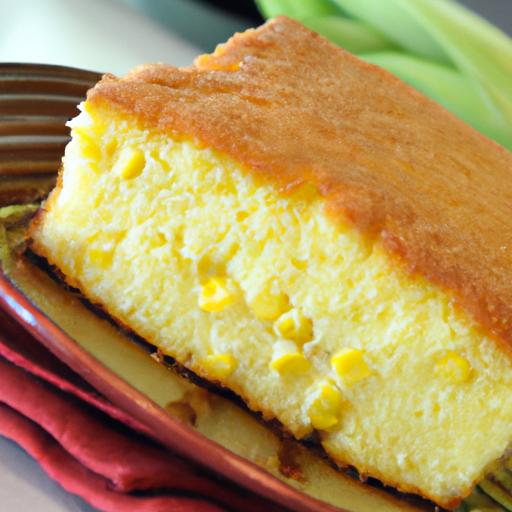

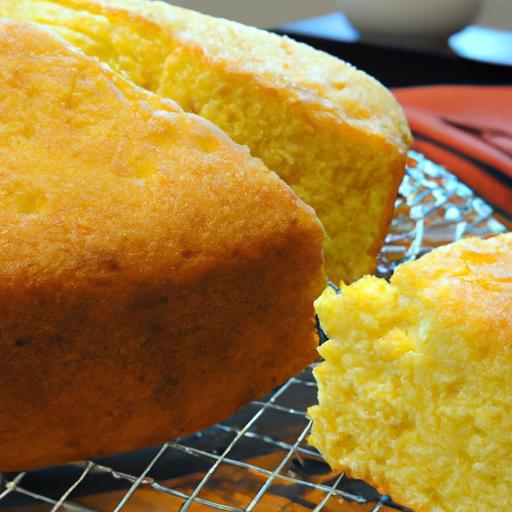
There’s something undeniably magical about a slice of warm, perfectly moist cornbread-the kind that strikes the ideal balance between crumbly and tender, sweet and savory, rustic and refined.Whether it’s the star sidekick to a rich bowl of chili or the comforting companion to a holiday feast, cornbread holds a special place in kitchens and hearts alike. Yet achieving that coveted moist texture can frequently enough feel elusive,leaving many cooks wondering if the secret lies in the ingredients,the technique,or perhaps a little sprinkle of culinary magic. Welcome to The Ultimate Guide to Perfectly Moist Cornbread Recipes,where we unravel the mysteries behind this beloved Southern classic and share foolproof tips,tricks,and recipes to help you bake cornbread that’s irresistibly tender every single time. get ready to transform your cornbread game-and maybe even elevate your entire meal.
The key to baking truly luscious and moisture-rich cornbread lies in selecting the ideal ingredients that bring both texture and flavor to life.By blending quality cornmeal with complementary wet elements and subtle secret additions, you create a cornbread that’s not just fluffy but a sensory delight in every bite. Drawing from Southern traditions with a modern twist, this method ensures your cornbread stays tender, moist, and irresistibly crumbly.
Prep and Cook Time
- Readiness Time: 10 minutes
- Cook Time: 25-30 minutes
Yield
- 8 servings (9-inch skillet or 8×8-inch pan)
Difficulty Level
- Easy
Ingredients for Moisture-Rich Cornbread
- 1 cup yellow cornmeal, finely ground for smooth texture
- 1 cup all-purpose flour, sifted
- 1/4 cup granulated sugar, adjust for desired sweetness
- 1 tablespoon baking powder, to ensure fluffiness
- 1/2 teaspoon baking soda, enhances rise with acidity
- 1/2 teaspoon fine sea salt, balances flavors
- 2 large eggs, at room temperature
- 1 cup buttermilk, for tang and tender crumb
- 1/4 cup whole milk, adds richness
- 1/4 cup unsalted butter, melted and slightly cooled
- 2 tablespoons honey, secret addition for moisture and subtle sweetness
- Optional: 1/2 cup creamed corn, adds extra succulence and texture
Instructions to Master Moisture and Fluffy texture
- Preheat your oven to 400°F (200°C). Grease a 9-inch cast iron skillet or an 8×8-inch baking dish with butter for a golden crust.
- Combine the dry ingredients: In a large bowl, whisk together cornmeal, flour, sugar, baking powder, baking soda, and salt until evenly blended.
- Mix wet ingredients: In a separate bowl, beat the eggs with buttermilk, milk, melted butter, and honey until fully combined.
- Incorporate wet into dry: Pour the wet mixture into the dry and gently fold using a rubber spatula until just combined. Avoid over-mixing to keep the batter light and airy. If using,carefully fold in creamed corn for an added moist punch.
- Pour the batter into the prepared skillet or pan, smoothing the top with the spatula.
- Bake for 25-30 minutes, or until the edges turn golden brown and a toothpick inserted in the center comes out clean.
- Cool briefly for 5-10 minutes before slicing to allow the cornbread to set perfectly without crumbling.
Secret Additions That Elevate moistness and Flavor
Incorporating honey not only lifts the natural sweetness but acts as a humectant, locking moisture inside the crumb.Meanwhile, buttermilk provides subtle acidity which reacts with baking soda for an exceptionally fluffy rise and tender bite. For a delightful surprise, gently folding in creamed corn adds bursts of juicy sweetness and boosts moisture without weighing down the batter.
Tips for Success with moisture-Rich Cornbread
- Room temperature eggs and dairy: This ensures they blend seamlessly, giving a smooth batter and avoiding temperature shocks that can toughen the crumb.
- Melt butter but don’t overheat: Let it cool slightly before mixing to prevent cooking the eggs prematurely.
- Don’t overmix: Stir just until the ingredients unite. Overmixing stimulates gluten development, which makes the cornbread dense.
- Use a cast iron skillet: This promotes even heating and creates a crisp, flavorful crust.
- Make-ahead magic: Store leftover cornbread tightly wrapped at room temperature for up to 3 days or freeze slices individually for up to 2 months.
- Reheating: Wrap in foil and warm at 350°F (175°C) for 10-15 minutes to restore moistness or pop slices in the microwave with a damp paper towel for 20 seconds.
Serving Suggestions to transform Your cornbread
Warm slices of this moist cornbread are exquisite served alongside classic Southern BBQ dishes like pulled pork or spicy chili. Top with a pat of whipped honey butter or a drizzle of maple syrup for breakfast appeal. For a vibrant touch, sprinkle freshly chopped chives or finely grated sharp cheddar before serving.Presentation tip: serve on rustic wooden boards with a small bowl of creamed corn or pimento cheese for a showstopping spread.

| Nutrient | Per serving (1 slice) |
|---|---|
| Calories | 210 |
| Protein | 5g |
| Carbohydrates | 28g |
| Fat | 8g |
For additional inspiration on moisture retention in baked goods, explore this thorough guide on how to keep cakes perfectly moist by King Arthur baking.
Q&A
Q&A: The Ultimate Guide to Perfectly Moist Cornbread recipes
Q1: What’s the secret to making cornbread moist rather than dry and crumbly?
A: The secret lies in balancing moisture and texture.Incorporate ingredients like buttermilk, sour cream, or yogurt which add acidity and moisture, tenderizing the crumb. Also, don’t overbake-cornbread keeps cooking after you pull it out of the oven, so removing it just as a toothpick comes out mostly clean ensures softness. Adding a bit of oil or melted butter keeps the crumb rich and moist, too.
Q2: Can I use regular milk instead of buttermilk in cornbread?
A: Yes, buttermilk is preferred because its acidity reacts with baking soda or powder to create lift and a tender crumb. If you only have regular milk, you can mimic buttermilk by adding a tablespoon of lemon juice or vinegar to a cup of milk and letting it sit for 5-10 minutes before mixing. This simple swap boosts moisture and flavor.
Q3: How important is the type of cornmeal in achieving perfect moist cornbread?
A: Very important! Cornmeal texture can range from fine to coarse, and that influences moisture retention. Finely ground cornmeal absorbs more liquid and creates a softer crumb, while coarse cornmeal offers more texture but can be drier if not balanced with enough wet ingredients. Experimenting with a mix or choosing stone-ground cornmeal brings authentic flavor with just the right bite.Q4: What role do eggs play in moist cornbread recipes?
A: Eggs act as a binder, holding the ingredients together, and add richness that enhances moistness. Their protein structure traps air during baking, giving your cornbread lift and a tender crumb. Using room-temperature eggs helps them blend evenly into the batter, creating consistent moisture throughout.
Q5: Is it possible to make vegan moist cornbread without dairy or eggs?
A: Absolutely! Substitute dairy with plant-based milks like almond or oat milk and add an acid like apple cider vinegar to mimic buttermilk’s effect. For eggs, flax or chia “eggs” (1 tablespoon ground flaxseed or chia seeds mixed with 3 tablespoons water, left to gel) provide moisture and binding ability. Also, a touch of mashed banana or applesauce can further enrich and soften the crumb.
Q6: How can I add extra flavor while keeping my cornbread moist?
A: Add-ins like creamed corn, honey, maple syrup, or even a touch of jalapeño enhance flavor and contribute moisture. Swapping out some sugar for brown sugar or molasses adds depth and humidity. Don’t overlook savory options-cheese and bacon bits, or fresh herbs mixed in can boost taste without drying out the bread.
Q7: Should I use a cast-iron skillet or a baking pan?
A: Cast-iron skillets are legendary for cornbread as they heat evenly and develop a deliciously crispy crust, while keeping the inside moist and tender. If you don’t have cast iron, a glass or metal baking pan works well-just ensure to lightly grease it and avoid overbaking to maintain moisture.
Q8: What’s the best way to store leftover cornbread to keep it moist?
A: Store leftover cornbread in an airtight container at room temperature for up to 2 days. To preserve moisture longer, wrap it tightly in plastic wrap or foil and refrigerate-it will last about 4-5 days this way. When reheating, adding a dab of butter or wrapping it in foil before warming prevents drying out.
Q9: Can I freeze moist cornbread?
A: Yes! Freeze cornbread slices individually wrapped in plastic wrap and placed in a freezer bag. When ready to eat, thaw at room temperature or warm gently in the oven or microwave with a small pat of butter to revive moistness and flavor.
Q10: What’s your top pro tip for achieving the perfect moist cornbread every time?
A: Don’t rush the batter mixing! Overmixing develops gluten and leads to toughness, while undermixing causes uneven texture. Stir your wet and dry ingredients just until combined, with a few lumps remaining. Also, invest in quality ingredients – fresh cornmeal, real dairy products, and pure honey or maple syrup make a noticeable difference in moisture and flavor.
Key Takeaways
As the crumbs settle and the warm aroma of your perfectly moist cornbread lingers in the air, you’ve unlocked more than just recipes-you’ve uncovered the heart and soul of a timeless kitchen staple.Whether you prefer it buttery, sweet, or savory, the secrets shared here empower you to bake cornbread that’s tender, flavorful, and effortlessly satisfying every single time.So go ahead, whip up a batch, share it with loved ones, and savor the golden goodness that only truly perfect cornbread can bring. Your journey to cornbread mastery doesn’t end here-it’s only just beginning. Happy baking!