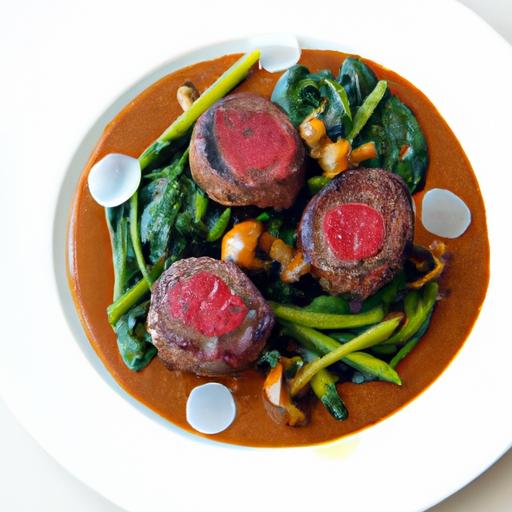

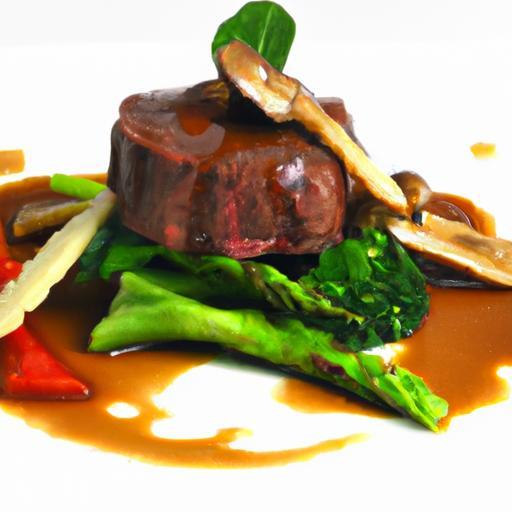
Beneath the humble exterior of beef cheeks lies a culinary treasure waiting to be discovered. These often-overlooked cuts, rich in collagen and bursting with flavor, transform slow cooking into an art form, revealing a tender texture that melts effortlessly on the tongue.In “Beef Cheeks uncovered: Tender Cuts Worth Savoring,” we delve into the story behind this underrated ingredient-exploring its origins, cooking techniques, and the reasons why beef cheeks deserve a starring role on your dinner table. Prepare to unlock a world of savory indulgence that celebrates both tradition and taste.
Beef cheeks are often celebrated by chefs and home cooks alike for their remarkable ability to transform from a tough, muscular cut into a luscious, melt-in-your-mouth delicacy through slow cooking. With a rich history rooted in conventional European and Latin American cuisines, these underrated cuts offer a uniquely deep, beefy flavor and a tender, gelatinous texture that’s truly worth savoring. My own journey with beef cheeks began when I stumbled upon a rustic Spanish braise recipe-after trying it, I was hooked. Here,you’ll discover how mastering slow cooking techniques elevates these cuts to perfection and learn expert tips to create a dish that dazzles both the palate and the eye.
Prep and Cook Time
- Preparation: 20 minutes
- Marinating (optional): 4 hours to overnight
- Cooking: 3 to 4 hours (low and slow)
Yield
Serves 4 to 6 people
Difficulty Level
Medium – Requires time and patience but straightforward techniques
Ingredients
- 2.5 lbs beef cheeks, trimmed of excess fat and sinew
- 1 cup all-purpose flour, for dredging
- 3 tbsp olive oil
- 1 large onion, diced
- 3 cloves garlic, minced
- 2 medium carrots, chopped
- 2 celery stalks, chopped
- 2 cups beef broth (preferably homemade or low-sodium)
- 1 cup dry red wine (such as Rioja or Cabernet Sauvignon)
- 2 tbsp tomato paste
- 2 sprigs fresh rosemary
- 2 sprigs fresh thyme
- 2 bay leaves
- Salt and black pepper to taste
- fresh parsley, chopped (for garnish)
Instructions
- Prepare the beef cheeks: Pat dry the beef cheeks with paper towels, then season generously with salt and pepper. Dredge each cheek evenly in all-purpose flour, shaking off excess. This step helps create a lovely crust and thickens the braising liquid.
- Brown the meat: In a large heavy-bottomed Dutch oven or braising pot,heat olive oil over medium-high heat. Sear the cheeks in batches, about 4-5 minutes per side, until a deep golden crust forms. Remove and set aside on a plate. Don’t crowd the pan to avoid steaming the meat.
- Sauté the aromatics: Reduce the heat to medium. Add the diced onions, carrots, and celery to the same pot.Sauté for 8-10 minutes until softened and lightly caramelized, stirring occasionally. Add garlic in the last 2 minutes; cook until fragrant.
- Deglaze the pot: Stir in tomato paste and cook for 1 minute. Pour in red wine to deglaze, scrapping the browned bits stuck to the bottom; simmer for 3-5 minutes until the wine reduces by about half.
- Return meat and add liquids: Place the beef cheeks back into the pot.Pour in beef broth until it covers about two-thirds of the meat. Add rosemary, thyme, and bay leaves.
- Braise low and slow: Bring the liquid to a gentle simmer, then cover the pot with a tight-fitting lid. Transfer to a preheated oven at 300°F (150°C). Cook for 3 to 4 hours or until the cheeks are fork-tender-juicy, soft, and almost falling apart. Alternatively, keep on stovetop on very low heat.
- Finish and rest: Carefully remove beef cheeks and strain the braising liquid to remove vegetables and herbs. Skim off excess fat. Optionally, reduce the sauce over medium heat for a thicker consistency. Return cheeks to sauce before serving.
Tips for Success
- Quality matters: select beef cheeks that are fresh, bright red, with visible marbling. ask your butcher to trim excess sinew, which can be tough if left intact.
- Marinate if time allows: Marinating cheeks in red wine with herbs overnight adds an extra depth of flavor and tenderizes further.
- Don’t rush the cook time: Patience is key to unlocking the collagen breakdown-rushing leads to tougher meat.
- Make-ahead magic: Beef cheeks taste even better the next day as flavors meld. Prepare in advance and reheat gently.
- Substitutions: If red wine isn’t an option, use additional beef broth and a splash of balsamic vinegar for acidity.
Serving Suggestions
Present these tender beef cheeks nestled over creamy mashed potatoes, buttery polenta, or garlic-infused risotto. A drizzle of the reduced braising sauce over the top adds luscious moisture and shine. Garnish with freshly chopped parsley for a burst of color and herbal freshness.Roasted root vegetables or sautéed wild mushrooms make excellent side companions. For a contrasting texture, add a crisp arugula salad dressed with lemon vinaigrette to brighten the plate.
| Nutritional Data (per serving) | Amount |
|---|---|
| Calories | 420 kcal |
| Protein | 38 g |
| Carbohydrates | 12 g |
| Fat | 22 g |
For more inspiration on slow-cooked beef recipes, check out our braised Beef Recipe Collection. To deepen your understanding of meat science and collagen’s role in tenderness, visit Serious Eats’ deep dive on slow cooking beef cheeks.

Q&A
Q&A: Beef Cheeks Uncovered – Tender Cuts Worth Savoring
Q1: What exactly are beef cheeks?
A: beef cheeks are the flavorful muscles from the facial area of the cow. Despite their humble origin, they’re a hidden treasure in the world of cuts-richly marbled, incredibly tender when cooked right, and bursting with deep, beefy flavor.
Q2: Why are beef cheeks considered a special cut?
A: These muscles get a lot of exercise, which means they’re tough if roasted quickly. But when slow-cooked, they transform into melt-in-your-mouth delicacies. Their combination of gelatin-rich connective tissue and robust meat makes them uniquely succulent and satisfying.
Q3: How do chefs typically prepare beef cheeks to unlock their tenderness?
A: patience is the secret weapon. Low and slow cooking methods-think braising in wine, stock, or aromatic liquids for several hours-break down collagen into luscious gelatin, creating a luscious, fork-tender texture that melts on your tongue.
Q4: Are beef cheeks versatile in recipes?
A: Absolutely! They shine in a range of preparations-from classic stews and braises to tacos,ragu,or even sous-vide dishes. Their rich flavor pairs beautifully with bold spices, herbs, and even smoky BBQ sauces.
Q5: Where can adventurous home cooks find beef cheeks?
A: You’ll frequently enough find them at specialty butcher shops,farmers’ markets,or well-stocked grocery stores. They might not be the frist item on the shelf,but when you ask for them,butchers are usually happy to help you uncover this tender treasure.
Q6: Are beef cheeks budget-friendly?
A: Yes! Compared to prime steaks, beef cheeks are surprisingly affordable, making them a gourmet delight that won’t break the bank. Slow cooking enhances their flavor, turning a thrifty cut into a luxurious meal.
Q7: What’s a simple tip for cooking beef cheeks at home?
A: Keep the temperature low and the time generous. Slow braise with aromatics like garlic, onions, and herbs; watch the liquid gently bubble; and know that the reward is a rich, tender result well worth the wait.
Q8: How do beef cheeks compare nutritionally to other beef cuts?
A: Rich in protein and collagen, beef cheeks offer a hearty nutritional profile. The slow cooking process releases gelatin, which supports joint health, while providing the satisfying, full-bodied taste you crave.
Q9: Can beef cheeks be grilled or seared quickly?
A: Due to their muscle structure, speedy grilling or searing usually results in tough, chewy meat. However, searing them briefly before slow cooking adds beautiful caramelization and depth to the final dish.Q10: Why are beef cheeks gaining popularity among food lovers?
A: As food enthusiasts seek out unique, sustainable, and flavorful options, beef cheeks fit the bill perfectly. They honor nose-to-tail eating traditions while delivering exquisite taste and texture-a win for palate and planet alike.
With beef cheeks uncovered, you’re invited to savor a cut that transforms patience and passion in the kitchen into pure culinary joy. Ready to embark on a slow-cooked adventure? Your taste buds will thank you.
To conclude
In the world of beef, cheeks may not be the first cut that comes to mind, but their rich flavor and luscious tenderness prove they are truly a hidden gem worth savoring. Once reserved for humble stews and slow-cooked meals, beef cheeks have surged onto gourmet plates, celebrated by chefs and home cooks alike for their melt-in-the-mouth texture and deep, beefy essence. Whether braised, smoked, or transformed into elegant dishes, this underrated cut invites us to explore the full spectrum of culinary possibilities that beef has to offer. So next time you’re seeking a dish that combines comfort with sophistication, don’t overlook the humble beef cheek-it’s a savory story waiting to be uncovered bite by bite.