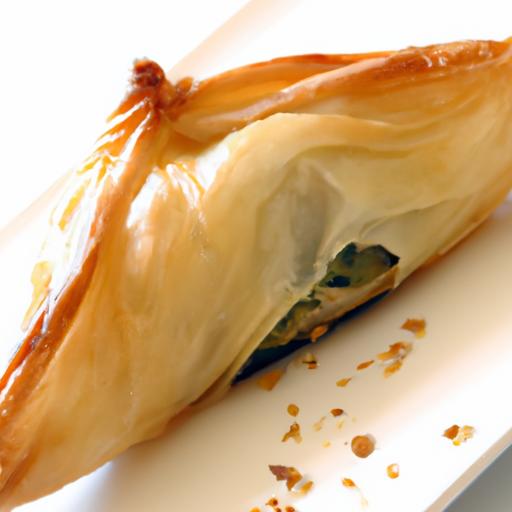

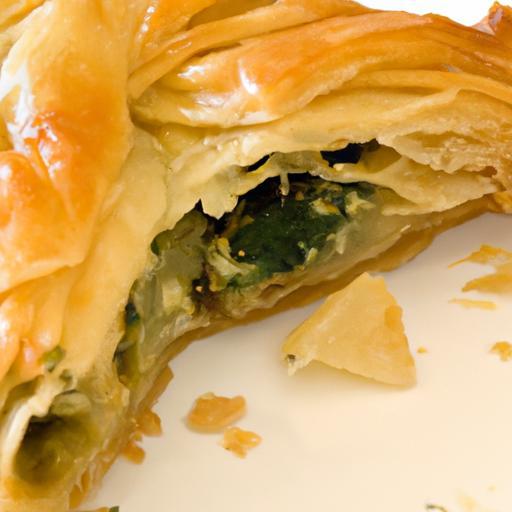
Nestled within the golden, flaky layers of spanakopita lies more than just a delicious dish-it holds the essence of Greek heritage, a culinary story passed down through generations. This savory spinach and feta pie, with its crisp phyllo crust and vibrant filling, is a gateway to the sun-soaked olive groves and bustling village kitchens of Greece.In “Spanakopita Secrets: A Flavorful Journey to Greek Tradition,” we’ll unravel the history,techniques,and little-known twists that transform simple ingredients into a beloved symbol of culture and festivity. Join us as we explore the heart and soul baked into every pie, uncovering the secrets that make spanakopita a timeless treasure on the Greek table.
Spanakopita Secrets lead us deep into the heart of Greek culinary tradition, where the vibrant flavors of fresh spinach and aromatic herbs harmonize with flaky, golden phyllo and tangy feta cheese. This dish is more than just a savory pie; it’s an edible story whispered through centuries, capturing the essence of Mediterranean simplicity and authentic comfort. The beauty lies in balancing the crispiness of each phyllo layer with the delicate moisture of the spinach filling, all while honoring the heritage carried by feta-Greece’s beloved cheese.
Prep and Cook Time
- Preparation: 30 minutes
- Cooking: 45 minutes
- Total Time: 1 hour 15 minutes
Yield
- Serves 8 generous slices
Difficulty Level
- Medium – requires patience with phyllo, but rewarding for both beginners and seasoned cooks
Ingredients
- 1 lb fresh spinach, washed, trimmed, and chopped
- 1 cup fresh parsley, finely chopped
- ½ cup fresh dill, chopped
- 4 green onions, thinly sliced
- 3 large eggs, lightly beaten
- 8 oz feta cheese, crumbled
- 1 cup ricotta cheese (optional, for creamier filling)
- 12 sheets phyllo dough, thawed according to package instructions
- ½ cup olive oil (plus extra for brushing layers)
- Freshly ground black pepper, to taste
- Pinch of ground nutmeg (optional, enhances flavor complexity)
Instructions
- Prepare the spinach and herbs: Heat a large skillet over medium heat.Add the chopped spinach and cook until just wilted, about 3-4 minutes. Transfer to a colander and press gently with the back of a spoon to remove excess moisture. Allow to cool.
- Combine the filling: In a large mixing bowl, combine the cooled spinach, parsley, dill, green onions, feta, ricotta (if using), eggs, pepper, and nutmeg. Mix until all ingredients are incorporated evenly. Taste and adjust seasoning.
- Preheat the oven: Set your oven to 350°F (175°C).Prepare a 9×13″ baking dish by brushing it lightly with olive oil.
- Layer the phyllo: Carefully unroll the phyllo dough. Keep the sheets covered with a damp towel to prevent drying. Brush one sheet with olive oil and place it in the baking dish, letting the edges hang over.Repeat with 5 more sheets, brushing each generously with oil.
- Add the filling: Spread the spinach and herb mixture evenly over the layered phyllo base.
- Top the pie: Layer the remaining 6 sheets of phyllo over the filling, brushing each sheet with olive oil as you go. Fold the overhanging edges over the top and brush with more oil to seal.
- Score and bake: Score the top layers into diamond or square shapes before baking.This ensures clean slices and even cooking. Bake uncovered for 40-45 minutes, or until the phyllo is crisp and golden brown.
- Cool and serve: Allow the spanakopita to rest for 10 minutes before cutting through the scored lines. This resting time helps the filling set and makes serving easier.
tips for Success
- Handling phyllo: Always work quickly and cover unused sheets with a damp cloth. Phyllo dries out rapidly, becoming brittle and challenging to layer.
- Spinach preparation: Removing as much moisture as possible prevents soggy spanakopita. Press firmly with a sieve or kitchen towel.
- Cheese choices: Authentic spanakopita shines with feta’s salty tang, but blending in ricotta or even a mild kasseri can create a creamier texture without straying from tradition.
- Make-ahead option: Assemble the pie, cover with plastic wrap, and refrigerate up to 24 hours before baking.For a party favorite, bake it fresh or reheat gently to restore crispness.
Serving Suggestions
Serve your spanakopita warm, garnished with a sprinkle of fresh dill and a wedge of lemon for brightness. A side of tzatziki or a simple Greek salad of ripe tomatoes, cucumbers, and olives complements this dish perfectly.for a festive Greek feast,pair it with roasted lamb and hearty red wine to bring the flavors of the Mediterranean to your table.

| Nutrient | Per Serving |
|---|---|
| Calories | 280 |
| Protein | 12g |
| Carbohydrates | 22g |
| Fat | 16g |
For a deeper dive into Mediterranean herbs and authentic cheeses, explore our Mediterranean Herbs and Cheese Guide. To learn about the rich history behind Greek cuisine, visit the official Greek Tourism site.
Q&A
Q&A: Spanakopita Secrets – A Flavorful Journey to Greek Tradition
Q1: What is Spanakopita, and why is it so beloved in Greek cuisine?
Spanakopita is a customary Greek savory pie, lovingly crafted with flaky phyllo dough and a luscious filling of spinach, feta cheese, onions, and fresh herbs. it’s beloved for its perfect balance of crispy texture and rich, tangy flavors-a culinary emblem of Greek hospitality and heritage.
Q2: Where did Spanakopita originate, and how has it evolved over time?
Originating in Greece centuries ago, Spanakopita started as a humble, home-cooked dish designed to showcase local ingredients like wild greens and artisanal cheeses.over time,it evolved into various regional versions-some folded into triangles,others baked as hearty pies-each sharing a common thread of tradition and love.
Q3: What are the secret ingredients that make Spanakopita truly remarkable?
While spinach and feta are the stars, the secret lies in subtle additions: a handful of fresh dill and parsley for brightness, a pinch of nutmeg for warmth, and the careful choice of mild onions or scallions.And let’s not forget the magic touch-brushing each phyllo layer with olive oil or melted butter to achieve that golden, crisp finish.
Q4: How does the preparation technique influence the flavor and texture of Spanakopita?
Layering is everything. The ultra-thin phyllo sheets require delicate handling to prevent tearing, and each layer must be generously brushed with fat to create that irresistible flakiness. The filling, gently cooked to remove excess moisture, ensures the pie bakes perfectly without sogginess, resulting in a symphony of crisp and creamy textures.
Q5: Can Spanakopita be adapted to modern tastes or dietary needs without losing its essence?
Absolutely! While traditionalists cherish the classic recipe, modern twists include incorporating kale or adding fresh lemon zest for zing. For vegans, silken tofu or cashew cheese can replace feta, maintaining creaminess while respecting plant-based diets.The essence of spanakopita-its heart and soul-thrives in any variation that honors its roots.Q6: What occasions in Greek culture typically feature Spanakopita, and why?
Spanakopita graces tables during family gatherings, festive celebrations, and religious holidays, symbolizing abundance and comfort.Its shareable nature invites communal dining, reinforcing bonds and celebrating the joy of togetherness central to Greek life.Q7: How can someone new to Greek cooking best approach making Spanakopita at home?
Start with fresh, quality ingredients and patience. Handle phyllo with care-keep it covered to prevent drying-and don’t rush the layering. Embrace the process as a culinary meditation.With each fold and brush, you’re not just making a pie; you’re connecting with centuries of tradition baked into every bite.
Embark on your flavorful journey with Spanakopita, and savor a taste of Greece that transcends time and borders. Opa!
Closing Remarks
As the aroma of flaky phyllo and tender spinach fades from your kitchen, the essence of spanakopita lingers-a delicious bridge between past and present, tradition and innovation. this savory pie is more than just a dish; it’s a flavorful chapter of Greek heritage, inviting each bite to tell stories of sun-drenched olive groves, bustling village markets, and family gatherings around lively tables. Armed with these spanakopita secrets, you’re now ready to embark on your own culinary journey, honoring the craft while adding your unique twist. So roll out the phyllo, crumble the feta, and let every pastry fold whisper the rich, timeless tale of Greek tradition right in your home. Opa!