
In the vibrant tapestry of British condiments, one tangy classic has quietly carved out its own delicious niche: salad cream. Often overshadowed by its more internationally famous cousin, mayonnaise, salad cream boasts a distinctive zing and a storied past that speaks to the very heart of British culinary tradition.From humble beginnings in Victorian kitchens to becoming a staple on sandwich spreads and salad bowls nationwide, salad cream’s journey is as rich and sharp as its flavor. Join us as we peel back the layers of this beloved dressing’s history, revealing the secrets behind Britain’s tangy classic and exploring why it continues to hold a special place on tables across the UK.
Salad Cream is an iconic British condiment wiht a history as rich and tangy as its flavour profile. First crafted in the early 20th century, this bright, creamy dressing quickly won British hearts by transforming simple salads and everyday sandwiches into dishes bursting with zest and nostalgia. Unlike its mayonnaise cousin, Salad Cream carries a unique vinegar tang and a hint of mustard spice, making it a versatile star of British cuisine.
Prep and Cook Time
- Planning: 10 minutes
- Cooking: 5 minutes
- Chill time: Optional 30 minutes for enhanced flavour
Yield
Approximately 1 cup (240 ml) – enough to dress salads or embellish sandwiches for 6-8 servings.
Difficulty Level
Easy – Perfect for beginners and seasoned cooks alike.
Ingredients
- 1/2 cup white wine vinegar
- 2 tablespoons caster sugar
- 1 teaspoon salt
- 1 tablespoon mustard powder
- 2 large egg yolks,room temperature
- 1/2 cup sunflower oil (or vegetable oil)
- 3 tablespoons full-fat single cream
- 1 tablespoon lemon juice
- 1/2 teaspoon paprika (optional for subtle warmth)
Instructions
- Whisk together the vinegar,sugar,salt,and mustard powder in a mixing bowl until sugar and salt dissolve wholly.
- Gradually add the egg yolks one by one, whisking vigorously to create an emulsion. This step is crucial for that silky texture.
- Slowly drizzle in the oil while continuing to whisk steadily. the mixture will thicken and turn creamy-take your time to avoid breaking the emulsion.
- Once emulsified, gently fold in the single cream and lemon juice until combined.
- Add the paprika, if using, and adjust seasoning to taste with extra salt or a splash more vinegar for tang.
- Chill the dressing for at least 30 minutes to allow flavors to meld beautifully before serving.
Tips for Success
- Use room temperature eggs to ensure a stable emulsion.
- If the dressing starts to separate, whisk in a teaspoon of warm water or an extra yolk to bring it back together.
- For a dairy-free version, substitute single cream with coconut cream or a plant-based alternative.
- Make ahead and store in an airtight jar in the fridge for up to 1 week-flavors deepen wonderfully over time.
- Experiment with adding finely diced gherkins or chives for a tangy herbaceous boost.
Serving Suggestions
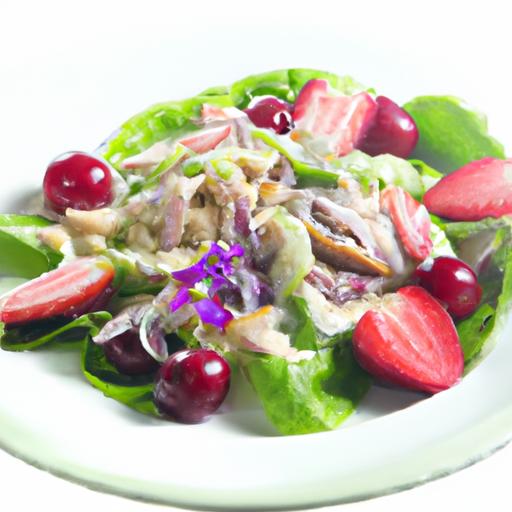
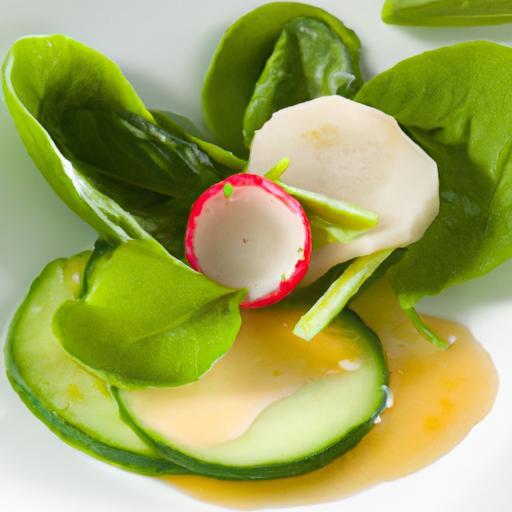
Salad Cream shines as a classic dressing drizzled over crisp iceberg lettuce, sliced tomatoes, or crunchy radishes. Take it a step further by incorporating it into conventional British sandwiches-think egg and cress or ham with mustard seeds. Its sharp tang also pairs brilliantly with fish fingers or as a dollop alongside crispy chips. Garnish with freshly chopped parsley or a sprinkle of cracked black pepper to elevate presentation and flavor complexity.
| Nutrient | Per 2 tbsp (30g) |
|---|---|
| Calories | 120 kcal |
| Protein | 1 g |
| Carbohydrates | 4 g |
| Fat | 11 g |
Discover more British classic sauces to complement your Salad Cream creations.
Learn about the history of British condiments at The National Archives.

Q&A
Q&A: Salad Cream Unveiled – Britain’s Tangy Classic Dressing Story
Q1: What exactly is salad cream, and how does it differ from mayonnaise?
A1: Salad cream is Britain’s beloved tangy, creamy dressing, celebrated for its sharp, slightly sweet, and piquant flavor. Unlike mayonnaise, which is thick and rich with a relatively mild taste, salad cream boasts a thinner consistency and a zingier personality. It’s traditionally made with a base of egg yolks, vinegar, and mustard, delivering a refreshing bite that lifts salads and sandwiches alike.
Q2: When and why did salad cream become a pantry staple in Britain?
A2: Salad cream’s story begins in the early 20th century, around 1914, when Heinz introduced it as a convenient and affordable dressing alternative. At a time when mayonnaise was considered somewhat of a luxury, salad cream offered an accessible burst of flavor to British households. Its popularity soared especially during wartime rationing, where it provided an economical way to enliven simple meals.
Q3: What’s the secret behind salad cream’s distinctive tang?
A3: The hallmark tanginess of salad cream comes primarily from distilled malt vinegar,which imparts a sharp yet mellow acidity. this is balanced with sweetness from sugar and a hint of mustard,creating a complex flavor profile that’s both bright and comforting. The blend of these ingredients, combined with the emulsion of egg yolks and oil, gives salad cream its signature taste and texture.
Q4: Has salad cream’s recipe evolved over time?
A4: While the core concept has remained consistent-a harmonious balance of tang, sweetness, and creaminess-modern formulations often adjust ingredient proportions and may use substitutes to meet contemporary dietary preferences and production methods. Nonetheless, many traditionalists argue that the classic recipe’s charm lies in its simplicity and unmistakable zing.
Q5: How is salad cream used beyond just dressing salads?
A5: Salad cream is nothing if not versatile. Beyond crisp lettuce and garden veggies, it’s a flavorful addition to sandwiches, jacket potatoes, and even as a dip for chips or crudités. Its tangy punch also makes it a useful marinade base or a secret ingredient in coleslaws and devilled eggs, highlighting its adaptability in British kitchens.Q6: Why does salad cream seem so uniquely British?
A6: Salad cream is woven into the fabric of british culinary culture,reflecting past pantry practices and taste preferences. Its creation catered to a need for affordable, shelf-stable condiments that could brighten otherwise modest dishes.Over generations, it has become emblematic of British food nostalgia and a quirky culinary icon that sets the UK apart from other condiment traditions.
Q7: Can salad cream be made at home, and if so, how?
A7: Absolutely! Making salad cream at home is a fun and straightforward endeavor. Typically, you whisk together egg yolks, mustard, sugar, vinegar, and oil until emulsified into a creamy, tangy sauce. Homemade versions allow tinkering-perhaps adding a pinch of black pepper or a dash of lemon juice-to tailor the zing to your liking.Q8: With global food trends, is salad cream still relevant today?
A8: In an era of artisanal dressings and international flavors, salad cream holds a nostalgic yet relevant spot. It appeals to those seeking comfort food with character, as well as adventurous cooks wanting to explore classic British flavors. Salad cream’s unmistakable tang and heritage story continue to intrigue food lovers, ensuring its place on tables for years to come.
Salad cream isn’t just a dressing-it’s a British culinary memoir, capturing a century of flavor, history, and fondness in every tangy spoonful.
The Conclusion
From its humble beginnings as a pantry staple to its status as a beloved British classic, salad cream has truly earned its place on the condiment pedestal.Its tangy zing and creamy texture continue to inspire everything from simple sandwiches to gourmet creations, proving that sometimes, the most unassuming sauces carry the richest stories. So next time you reach for that distinctive bottle, remember-your not just adding a dressing; you’re savoring a slice of Britain’s flavorful heritage. Salad cream, it turns out, is much more than just a tangy classic-it’s a culinary icon with a story worth telling.