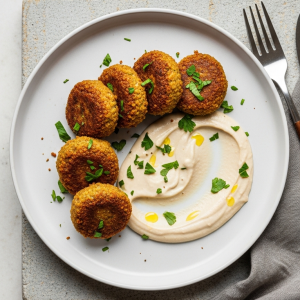

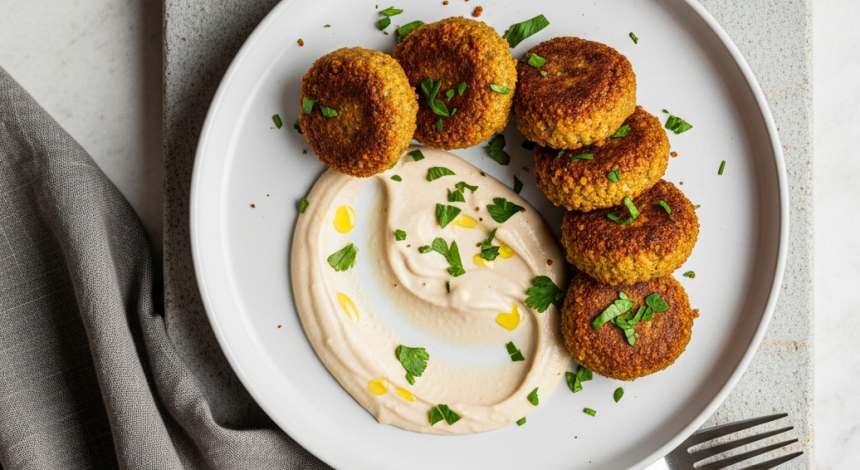
In the bustling markets of the Middle East, where aromas of spices and herbs weave through the air, few culinary treasures capture the spirit of the region quite like falafel. These golden, crispy spheres of ground chickpeas and fragrant herbs have long been a beloved staple, celebrated for their satisfying crunch and vibrant flavor. Yet,it is indeed the velvety embrace of creamy tahini sauce-rich,nutty,and refreshingly tangy-that truly elevates falafel to an unforgettable experience. This article delves into the art of crafting perfectly crisp Middle Eastern falafel and the secret to pairing it with luscious tahini sauce,inviting you to savor a harmonious blend of textures and tastes rooted in tradition and brought to life in every bite.
Crisp Middle Eastern Falafel paired with Creamy Tahini Sauce is a festivity of vibrant flavors and textures, honoring a beloved culinary tradition that dates back centuries across the Levant. This dish’s magic lies in the flawless balance between a crunchy exterior and a tender,herb-studded interior,perfectly complemented by a luscious tahini sauce that is silky smooth and nutty. Whether serving as street food or a wholesome family meal, mastering this recipe will elevate your falafel experience and invite you to explore the rich tapestry of Middle Eastern cuisine with confidence and creativity.
Prep and Cook Time
- Planning: 20 minutes (plus soaking time for chickpeas)
- Cooking: 10-12 minutes
- Total: 6 hours 30 minutes (including 6-hour soak)
Yield
Makes approximately 24 falafel balls, serving 4 people.
Difficulty Level
Medium: Requires attention to detail, particularly in achieving the perfect falafel texture and frying temperature.
Ingredients
- For the falafel:
- 1½ cups dried chickpeas, soaked overnight and drained
- 1 small onion, roughly chopped
- 4 garlic cloves
- 1 cup fresh parsley leaves, packed
- 1 cup fresh cilantro leaves, packed
- 2 teaspoons ground cumin
- 1 teaspoon ground coriander
- ½ teaspoon cayenne pepper (optional, for heat)
- 1 teaspoon baking powder
- 2 tablespoons all-purpose flour (or chickpea flour for gluten-free)
- Salt and freshly ground black pepper, to taste
- Vegetable oil, for frying
- For the Tahini Sauce:
- ½ cup tahini paste
- ¼ cup fresh lemon juice
- 2 garlic cloves, minced
- ½ cup cold water (adjust for desired consistency)
- Salt, to taste
- Optional: 1 tablespoon finely chopped fresh parsley or sumac for garnish
Instructions
- Prepare the chickpeas: Rinsed overnight-soaked chickpeas should never be cooked prior to blending. This preserves the signature texture critical to crisp falafel.
- Combine ingredients: In a food processor, pulse chickpeas, onion, garlic, parsley, and cilantro until coarsely ground but not pureed, preserving some texture.
- Season and bind: Add cumin, coriander, cayenne, salt, pepper, baking powder, and flour. Pulse a few seconds to incorporate.
- Rest the mixture: Transfer falafel mixture to a bowl,cover,and refrigerate for 1 hour to help flavors meld and improve texture.
- Shape the falafel: Using wet hands or a falafel scoop, form mixture into 1½-inch balls or slightly flattened patties for even frying.
- Heat the oil: In a deep pot or heavy skillet, heat vegetable oil to 350°F (175°C). To test, drop a small piece of falafel mixture into the oil – it should sizzle and rise instantly.
- Fry the falafel: Carefully lower falafel in batches, avoiding overcrowding. Fry until deep golden and crispy, approximately 3-4 minutes per side. Remove with a slotted spoon and drain on paper towels.
- Prepare tahini sauce: Whisk tahini paste, lemon juice, and garlic in a bowl. Gradually add cold water, stirring until smooth and creamy but pourable.Season with salt. Adjust water for desired texture.
- serve immediately: Arrange falafel on a platter with tahini sauce alongside. Garnish with fresh parsley or a sprinkle of sumac for added depth and vibrant colour.
Chef’s Notes and Tips for Success
- Soaking time is key: Never substitute canned chickpeas; soaked dried chickpeas give the falafel its signature crumbly yet tender texture.
- Don’t over-process: Over-blending results in dense, gummy falafel. Pulse until just combined with small bits visible for crunch.
- Oil temperature: Use a thermometer to maintain 350°F. Too hot will burn the exterior; too cool will make falafel greasy and fall apart.
- Oven option: For a healthier option, bake falafel at 375°F (190°C) on a greased tray for 20-25 minutes, flipping halfway.
- Tahini sauce variation: Add a spoonful of Greek yogurt or a pinch of smoked paprika for a creamier or smoky twist.
- Make ahead: Falafel mix can be refrigerated up to 24 hours ahead to deepen flavor. Form and fry just before serving.
Serving Suggestions and Creative Twists for Middle Eastern Street Food at Home
Serve your crisply golden falafel wrapped in warm, fluffy pita bread with fresh cucumber, tomato, and pickled turnips for classic street-style enjoyment. Drizzle the creamy tahini sauce liberally, and add a handful of crunchy shredded cabbage or radishes for contrast.
For a creative twist, try falafel bowls layered with shining quinoa salad, roasted eggplant, hummus, and a sprinkling of toasted pine nuts. Or, transform them into falafel sliders topped with a dollop of tahini sauce and arugula for a modern spin perfect for gatherings.
Garnish with fresh mint, parsley, or a sprinkle of sumac and toasted sesame seeds to add pops of flavor and color that bring the dish alive.

| Nutritional Info (per serving) | Amount |
|---|---|
| Calories | 320 kcal |
| Protein | 12 g |
| Carbohydrates | 28 g |
| Fat | 18 g |
For more authentic Middle Eastern recipes, check out our Homemade Hummus Recipe. To deepen your culinary understanding, visit Serious Eats’ falafel guide for expert tips.
Q&A
Q&A: Exploring the Magic of Crisp Middle Eastern Falafel paired with Creamy Tahini Sauce
Q1: What makes Middle Eastern falafel so uniquely appetizing?
A1: Falafel’s charm lies in its balance of textures and flavors-a crispy, golden-brown exterior gives way to a tender, herb-infused interior. Traditionally made from ground chickpeas (or fava beans), infused with garlic, parsley, cumin, and coriander, falafel captures the essence of Middle Eastern spice and earthiness in every bite.
Q2: Why is it crucial for falafel to be crisp on the outside?
A2: The crispiness creates a delightful contrast to the soft, fluffy inside, making each bite a satisfying experience. That crunch also signifies perfectly fried falafel-neither undercooked nor oily-highlighting the skillful technique behind this humble street food favorite.
Q3: What role does tahini sauce play when paired with falafel?
A3: Tahini sauce acts as the perfect creamy kiss to falafel’s crunch. Made from ground sesame seeds blended with lemon juice,garlic,and sometimes yogurt or water,tahini adds a nutty richness and slight tang that complements and elevates the spices inside the falafel. Together, they create a harmonious marriage of texture and flavor.
Q4: How can you make your falafel crisp at home without deep frying?
A4: While deep frying is traditional, oven-baking or air-frying falafel can achieve a delightful crunch with less oil. The key is to chill the falafel mixture so it holds its shape, lightly brush or spray with oil, and cook at high heat, turning halfway to ensure even crispness.
Q5: Are there variations of tahini sauce that pair well with falafel?
A5: Absolutely! adding herbs like parsley or cilantro, a drizzle of pomegranate molasses for sweetness, or a pinch of smoked paprika can create exciting twists on classic tahini.Even stirring in some finely chopped cucumber or mint can add freshness and complexity.Q6: What is the cultural importance of falafel and tahini in Middle Eastern cuisine?
A6: Falafel is more than just food-it’s a symbol of community and tradition. Originally popularized as an affordable, vegetarian street food, falafel has deep roots in several Middle Eastern countries and is celebrated for bringing people together over shared flavors. Tahini,produced for centuries in the region,represents the use of natural,simple ingredients transformed into flavorful accompaniments,showcasing the richness of Middle Eastern culinary heritage.
Q7: Can falafel and tahini be enjoyed beyond the classic pita sandwich?
A7: Definitely! falafel can be served as appetizers with dipping tahini, crumbled over salads for added texture, or even nestled in grain bowls. Tahini sauce works wonders as a dressing, drizzle, or dip beyond falafel, pairing beautifully with roasted vegetables, grilled meats, or fresh veggies.Q8: What are some tips for making perfect homemade tahini sauce?
A8: Use high-quality, well-toasted sesame seeds or pure tahini paste for a robust, nutty flavor. Freshly squeeze lemon juice and finely mince garlic to brighten the sauce. Whisk gradually in cold water to reach creamy, pourable consistency, and season thoughtfully with salt to balance the flavors.
Whether crisped to perfection or drizzled with creamy tahini, falafel epitomizes Middle eastern cuisine’s art of turning simple ingredients into unforgettable dishes. Ready to dive into this delicious duo? Your kitchen awaits!
Insights and Conclusions
In the harmonious dance of textures and flavors, crisp Middle Eastern falafel paired with creamy tahini sauce stands as a timeless duet-each bite offering a satisfying crunch that yields to the rich, nutty smoothness of tahini. This classic combination not only celebrates the culinary heritage of the region but also invites adventurous eaters everywhere to savor a perfect balance of tradition and taste. Whether enjoyed as a street food snack or elevated in a gourmet setting, falafel and tahini continue to embody the magic that happens when simple ingredients are transformed through thoughtful preparation into something truly remarkable.