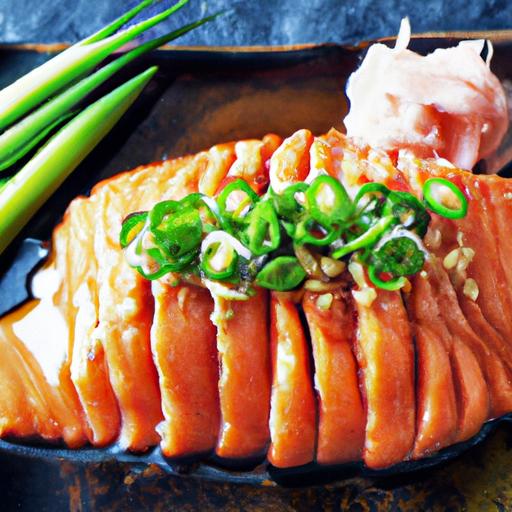

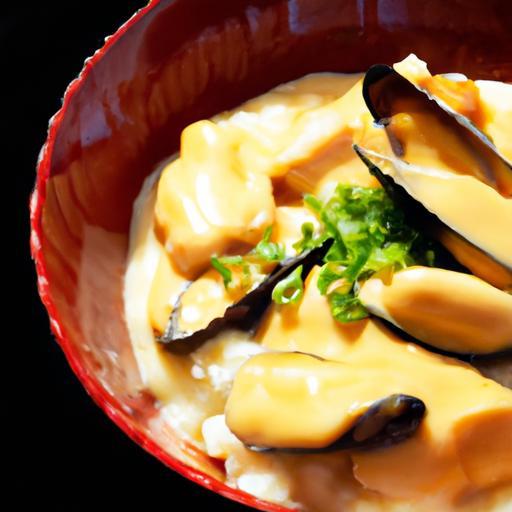
In the bustling rhythm of modern life, finding time to prepare a satisfying meal can feel like a challenge.Enter the world of simple Japanese recipes-where elegance meets ease, and every bite tells a story of tradition and harmony. From the delicate balance of flavors in a bowl of miso soup to the quick assembly of a vibrant chirashi bowl, Japanese cuisine offers a treasure trove of dishes that are as straightforward to make as they are delightful to eat.This article invites you to discover how minimal ingredients and thoughtful techniques can transform everyday cooking into a deliciously effortless experience,bringing a touch of japan’s culinary artistry right to your kitchen.
Simple Japanese Recipes are the gateway to unlocking the nuanced and comforting flavors of Japan without the intimidation of complex techniques. mastering essential ingredients is the first step toward crafting authentic dishes that burst with umami and balance. From the distinctive saltiness of soy sauce to the sweet-earthy notes of mirin, these staples form the foundation of every meal. Let’s explore quick, easy techniques to elevate your Japanese cooking and discover the charm behind comforting one-pot meals and delightful desserts designed to fit seamlessly into your busy lifestyle.
Prep and Cook Time
- Prep Time: 15 minutes
- Cook Time: 25 minutes
- total Time: 40 minutes
Yield
Serves 4 generous portions
Difficulty Level
Easy to Medium: Perfect for both beginners embracing simple Japanese recipes and those seeking quick, flavorful meals.
Ingredients
- 1 cup Japanese short-grain rice, rinsed and drained
- 2 cups dashi stock (homemade or instant powder mixed)
- 2 tablespoons soy sauce (preferably light for brightness)
- 1 tablespoon mirin (Japanese sweet rice wine)
- 1 teaspoon sake (optional, enhances aroma)
- 100g shiitake mushrooms, sliced
- 1 medium carrot, julienned
- 1 small onion, thinly sliced
- 100g firm tofu, cubed
- 2 tablespoons vegetable oil or neutral oil
- 2 scallions, finely chopped for garnish
- 1 sheet nori, cut into thin strips (optional)
Instructions
- Prepare the rice and dashi: Rinse the rice under cold water until the water runs clear to remove excess starch. Drain well.
- Sauté the vegetables: Heat the vegetable oil in a heavy-bottomed pot over medium heat. Add the onions and sauté until translucent, about 3 minutes. Add the carrots and shiitake mushrooms, cooking for another 4 minutes until softened but not mushy.
- Add tofu and seasonings: Gently fold in the cubed tofu, then pour in the dashi stock, soy sauce, mirin, and sake. Stir carefully to combine, preserving the tofu shape.
- Cook the rice: Add the rinsed rice into the pot,evenly distributing it without stirring aggressively. Bring to a gentle boil over medium-high heat, then reduce to low, cover tightly, and simmer for 15 minutes. avoid lifting the lid.
- Rest the rice: Remove the pot from heat but keep it covered. Let the rice steam for an additional 10 minutes to absorb all flavors and finish cooking evenly.
- Fluff and garnish: Using a rice paddle or wooden spoon, gently fluff the rice.Transfer to bowls and sprinkle with chopped scallions and nori strips for an added burst of texture and color.
tips for Success
- Dashi stock is key: Using a quality dashi-whether homemade from kombu and bonito flakes or a trusted instant powder-infuses an authentic umami depth that defines Japanese flavors.
- rice rinsing matters: Properly rinsing rice prevents stickiness and yields distinct, plump grains perfect for one-pot rice dishes.
- Vegetable variations: Feel free to add shredded napa cabbage or thin slices of daikon radish to customize your one-pot meal.
- Make-ahead tip: prepare the dashi stock and pre-cut vegetables in advance to slash prep times on busy days.
Serving Suggestions
Serve this hearty one-pot rice dish alongside pickled vegetables such as tsukemono or a crisp cucumber salad dressed in rice vinegar to balance the savory richness. A bowl of miso soup complements this meal beautifully, adding warmth and depth. Garnish with fresh herbs like shiso leaves or sprinkle toasted sesame seeds for a nutty finish. For an effortless dessert that continues your Japanese culinary journey, try a chilled matcha pudding or anko-filled mochi.
| Nutrient | Per Serving |
|---|---|
| Calories | 320 kcal |
| Protein | 10 g |
| Carbohydrates | 55 g |
| Fat | 6 g |

Unlock the flavorful simplicity of one-pot Japanese meals that save time without compromising taste.For a deeper dive into the history and science behind dashi, visit Serious Eats.
Q&A
Q&A: Simple Japanese Recipes – Appetizing Meals Made Effortless
Q1: What makes Japanese cuisine special and worth trying at home?
A1: Japanese cuisine is a harmonious blend of simplicity, seasonality, and balance. it focuses on fresh, high-quality ingredients and clean, delicate flavors, making dishes both visually appealing and satisfying. Cooking Japanese meals at home offers a chance to enjoy healthful, comforting food that doesn’t demand hours in the kitchen.
Q2: Do I need to have special ingredients or equipment to start cooking simple Japanese recipes?
A2: Not at all! Many basic japanese recipes use pantry staples like soy sauce, mirin, rice vinegar, and miso paste-ingredients frequently enough found in regular supermarkets or easily sourced online. A good knife and a rice cooker can be helpful but aren’t essential. with just a few basics, you can whip up delicious dishes like miso soup, teriyaki chicken, or tamagoyaki (Japanese omelette) effortlessly.
Q3: Can simple Japanese recipes be healthy?
A3: Absolutely! Customary Japanese meals emphasize balance-lean proteins like fish and tofu, fresh vegetables, and moderate portions of rice or noodles. The cooking methods, such as steaming, grilling, or simmering, preserve nutrients and reduce the need for heavy fats. This means you can enjoy meals that are both tasty and nourishing without complicated steps.
Q4: What are some easy Japanese dishes perfect for beginners?
A4: Great starters include onigiri (rice balls filled with savory ingredients), miso soup, yakisoba (stir-fried noodles), and gyudon (beef bowl). These recipes typically require minimal prep, use few ingredients, and come together quickly-perfect for weekday dinners or simple lunches.
Q5: How do simple Japanese recipes fit into a busy lifestyle?
A5: Their simplicity and straightforward techniques make Japanese dishes ideal for busy home cooks. Many recipes emphasize quick cooking times and multitasking-like steaming rice while simmering broth-so you can prepare a wholesome meal without stress. Plus, leftovers often taste even better the next day, adding convenience.
Q6: How can I add authentic Japanese flavor without being overwhelmed?
A6: Start by mastering a handful of key condiments: soy sauce for saltiness, mirin for sweetness, dashi for umami, and rice vinegar for acidity. These ingredients form the backbone of many dishes and can be combined creatively. Once you’re pleasant, experimenting with regional twists or seasonal produce will deepen your appreciation and enjoyment.
Q7: Where can I find inspiration to keep exploring simple Japanese cooking?
A7: Cookbooks focused on everyday Japanese meals, food blogs, and cooking channels often specialize in accessible recipes. Japanese grocery stores or sections in supermarkets can also spark ideas when you browse unfamiliar ingredients. Most importantly, approaching cooking with curiosity and joy helps transform simple recipes into cherished culinary adventures.
To Wrap It Up
Embarking on the journey of simple Japanese cooking reveals a world where elegance meets ease, and flavor dances with minimalism. These recipes prove that you don’t need a kitchen full of exotic ingredients or hours of prep to create meals that are both delicious and nourishing. By embracing the harmony of fresh, wholesome elements and straightforward techniques, you can bring a touch of Japan’s culinary charm into your everyday dining. So next time you crave something satisfying yet effortless, remember: sometimes, the simplest dishes tell the most flavorful stories. happy cooking!