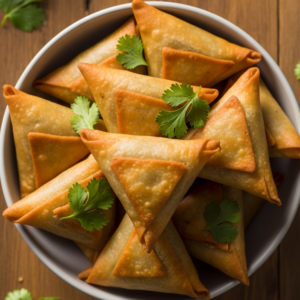

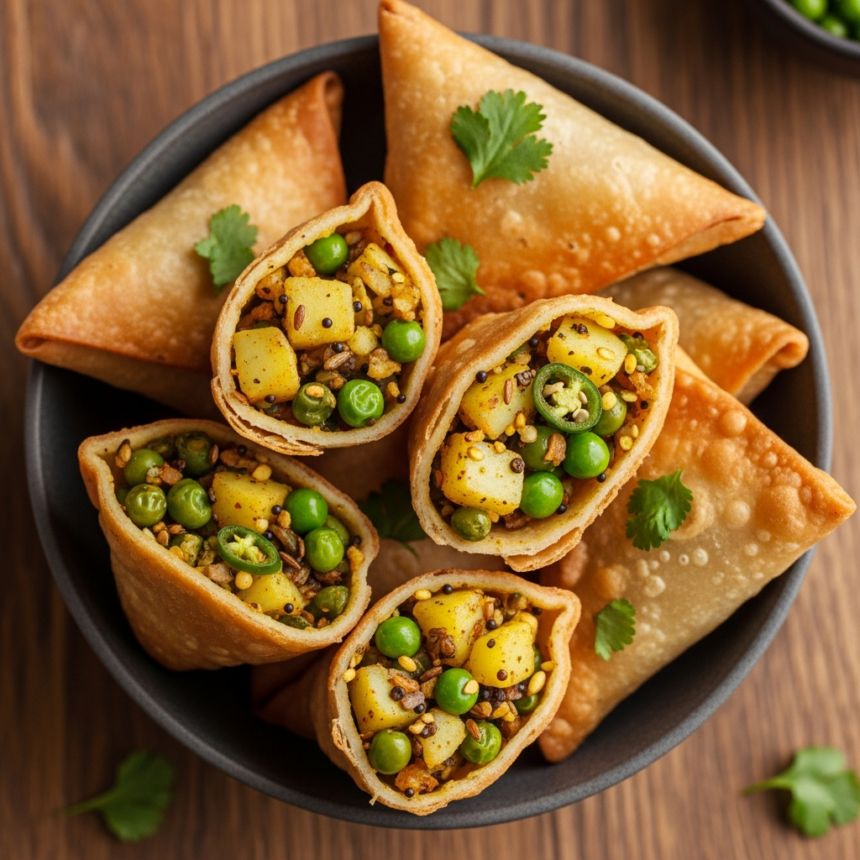
There’s a certain magic in the crunch of a perfectly fried samosa-a golden, crispy pastry that holds within it a treasure trove of spiced potatoes, peas, and fragrant herbs. These beloved Indian snacks are more than just street food; they are a celebration of culture, tradition, and vibrant flavors that have delighted palates for centuries. But what truly elevates the samosa experience is the symphony of chutneys served alongside-tangy tamarind, zesty mint, and sweet mango-each adding a unique layer to this flavorful journey. Join us as we explore the origins, craft, and culinary artistry behind crispy Indian samosas and their irresistible chutney companions, uncovering the secrets that make each bite an adventure in taste.
Crispy Indian Samosas: A Flavorful Journey with Chutney
Crispy Indian samosas are a beloved snack that embodies the vibrant tapestry of Indian cuisine, combining a perfectly thin, crunchy dough with an array of savory fillings that captivate every palate. Originating from the ancient kitchens of the Indian subcontinent, these golden pockets of delight hold a timeless charm-each bite sizzling with spice, texture, and the whisper of tradition. Whether you’re embracing a classic potato and pea stuffing or venturing into modern, fusion fillings, mastering the art of samosa dough and frying techniques will elevate your culinary journey beyond ordinary.
Prep and Cook Time
- Preparation: 30 minutes
- Cooking: 20 minutes
- Total Time: 50 minutes
Yield
- Makes 12 medium-sized samosas
Difficulty Level
- Medium
Ingredients
- For the Dough:
- 2 cups all-purpose flour,sifted
- 4 tbsp vegetable oil or melted ghee
- ½ tsp salt
- 6-8 tbsp cold water,as needed
- Traditional Potato-Pea Filling:
- 3 medium potatoes,boiled,peeled,and diced
- ½ cup green peas,boiled
- 1 tsp mustard seeds
- 1 tbsp oil
- 1 tsp cumin seeds
- 1 green chili,finely chopped (optional)
- 1 tsp ginger,grated
- 1 tsp garam masala
- ½ tsp turmeric powder
- 1 tsp coriander powder
- salt to taste
- Fresh coriander,chopped (for garnish)
- For Frying:
- Vegetable oil or sunflower oil,for deep frying
Instructions
- Prepare the Dough: in a large mixing bowl,combine the sifted all-purpose flour and salt. Add the oil or ghee and rub it into the flour with your fingertips until the mixture resembles coarse breadcrumbs.Gradually add cold water, a tablespoon at a time, kneading gently until you form a firm, smooth dough. Cover with a damp cloth and let rest for at least 30 minutes to relax the gluten for crispier samosas.
- Make the Filling: Heat 1 tbsp oil in a pan over medium heat. Add mustard seeds and cumin seeds, letting them crackle. Toss in the chopped green chili and grated ginger; sauté for 1-2 minutes until fragrant. Add turmeric, coriander powder, and garam masala, stirring well.
- Add boiled potatoes and peas to the spices.mix gently to avoid mashing the potatoes, and season with salt. Cook for 5 minutes, stirring occasionally. Remove from heat and finish with chopped fresh coriander. Let the filling cool completely before assembling.
- Shape and Fill: Divide the rested dough into 12 equal balls. Roll each ball into a thin oval shape about 6-7 inches long and 4 inches wide. cut each oval in half lengthwise to form two semi-circles.
- Form a cone by folding the straight edge of one semi-circle and sealing with a little water.Fill the cone generously with the potato-pea mixture.Moisten the open edges and press firmly to seal into a triangle, ensuring no gaps to prevent oil seepage during frying.
- Fry to Golden Perfection: Heat oil in a deep frying pan to 350°F (175°C). To test,drop a small piece of dough – it should sizzle and rise to the surface immediately. Carefully slide in 3-4 samosas without overcrowding.Fry on medium heat, turning slowly, until golden brown and crisp on all sides (about 4-5 minutes). Remove and drain on paper towels.
- Repeat the process with the remaining samosas. Serve hot with an assortment of chutneys.
Chef’s notes
- For an ultra-crisp shell, ensure the dough is firm and rested; adding oil or ghee helps create flakiness.
- Experiment with fillings: try spiced minced lamb, paneer and spinach, or even sweet pumpkin with warm spices for a modern twist.
- If pressed for time, samosas can be baked at 375°F (190°C) for 20-25 minutes, brushing lightly with oil, though deep frying yields the authentic crunch.
- To make ahead, shape samosas and freeze on a tray. Once firm,store in airtight bags and fry directly from frozen.
- Use a thermometer to maintain consistent oil temperature; too hot will brown the exterior while leaving the inside undercooked.
Serving Suggestions
The magic of crispy Indian samosas shines brightest when paired with thoughtfully curated chutneys. Classic mint-cilantro chutney offers vibrant freshness, while tamarind-date chutney brings a sweet tang that cuts through the savory richness. For a bold kick, a spicy garlic or coconut chutney works beautifully.
Serve samosas arranged on a colorful platter sprinkled with finely chopped cilantro and a sprinkle of chaat masala for an added zing. Accompany them with a chilled yogurt raita to balance the heat. For festive occasions, garnish with pomegranate seeds or finely diced red onions tossed in lemon juice for crunch and brightness.

Nutritional Information (per samosa)
| Calories | Protein | Carbs | Fat |
|---|---|---|---|
| 180 kcal | 3 g | 22 g | 8 g |
explore more authentic Indian snacks like Classic Bhel Puri to celebrate the diverse flavors that make Indian street food legendary. For deeper insights into Indian spices and their health benefits, visit Britannica’s guide to Indian cuisine.
Q&A
Q&A: Crispy Indian Samosas - A Flavorful Journey with Chutney
Q1: What exactly is a samosa and why is it so popular?
A: A samosa is a golden, crispy pastry pocket traditionally stuffed with a savory mix of spiced potatoes, peas, and sometimes meat or lentils. Its delightful crunch paired with a burst of flavorful filling has made it a beloved snack not only in India but across the globe. The samosa’s ability to adapt-with endless fillings and spice levels-helps it resonate with everyone’s taste buds.
Q2: What makes the samosa pastry so uniquely crispy?
A: The magic lies in the dough and the frying technique. Typically made with all-purpose flour and just the right pinch of salt and oil,the dough is rolled thin and sealed tightly. When deep-fried in hot oil, the moisture inside transforms into steam that crisps up the layers, creating that iconic flaky crunch. Patience and precise temperature control unlock the perfect crispy exterior.
Q3: How do traditional Indian samosas differ regionally?
A: India’s vast culinary landscape means samosas wear manny hats! North Indian samosas often feature a spiced potato-pea filling, while in regions like Maharashtra, you’ll find them stuffed with tangy sprouted lentils or nuts. Some southern versions use rice flour for a different texture, and sweet samosas with fillings like coconut and jaggery can also be found. Each variation tells a regional story.
Q4: What role does chutney play in the samosa experience?
A: Chutney is the samosa’s perfect partner-it elevates the snack from delicious to divine. whether it’s a tangy tamarind chutney, a fresh, zesty mint-coriander chutney, or a spicy red chili version, chutney adds layers of complexity: sweet, sour, minty, or fiery. This dipping companion balances the richness of the fried samosa, creating a harmonious flavor dance in every bite.
Q5: Can samosas be enjoyed beyond just a snack?
A: Absolutely! Samosas are culinary chameleons.They can star as appetizers at a festive gathering, satisfy lunchtime cravings, or even transform into a meal when paired with yogurt and salads. Street vendors elevate the experience further by topping them with chickpea curry (chole) or drizzling yogurt and chutneys for a chaat-style delight.
Q6: Is it possible to make samosas at home without losing their crispiness?
A: Yes! While samosas seem intimidating, with a bit of practice, homemade versions can rival those from street stalls. Key tips include rolling the dough evenly thin, sealing the edges well, and maintaining the oil temperature around 350°F (175°C) for frying. Some even bake samosas for a lighter version, though the traditional deep-fried method remains king for that signature crunch.
Q7: How do samosas reflect Indian culture and hospitality?
A: Samosas are more than just food-they embody warmth, celebration, and sharing. Frequently enough served during festivals, tea-time conversations, or family gatherings, offering samosas is a gesture of welcome and joy. Their widespread love unites diverse communities, symbolizing how food can be a delicious bridge across cultures.
Journeying through the world of crispy samosas, one discovers more than just a snack-it’s an edible celebration of flavor, tradition, and the art of perfect pairing with chutney. Whether you’re biting into one on a bustling Indian street or crafting your own in the kitchen, samosas invite you to savor every crisp, spiced moment.
Wrapping Up
As you savor the last crunchy bite of a golden, crispy samosa dipped lovingly into tangy, vibrant chutney, you’re not just enjoying a snack-you’re embarking on a flavorful journey that spans centuries and regions. These humble pockets of spiced potatoes, peas, and aromatic herbs carry stories of tradition, innovation, and community. Whether enjoyed on bustling street corners or at festive gatherings, samosas invite us to explore the rich tapestry of Indian cuisine, one crispy fold at a time. So next time you crunch into this beloved treat, remember: every bite is a celebration of culture, craft, and irresistibly bold flavors.