
In a world where culinary adventures often come with daunting ingredient lists and elaborate techniques, Japanese cuisine stands out for its elegant simplicity and profound flavors. Imagine crafting authentic dishes that capture the delicate balance of sweet, salty, and umami-all from your own kitchen, without the need for exotic gadgets or hours of preparation. Welcome to “Simple & Delicious: Easy Japanese Recipes You Can Master Today,” where we’ll guide you through accessible recipes that bring the heart of Japan to your dinner table. Whether you’re a curious beginner or an experienced home cook seeking fresh inspiration, these approachable dishes promise to transform everyday ingredients into delightful meals that satisfy both the palate and the soul. Let’s embark on a culinary journey that proves mastering japanese cooking is not just possible-it’s deliciously enjoyable.
Simple & Delicious: Easy Japanese Recipes You Can Master Today
Embarking on a journey with simple & delicious easy Japanese recipes you can master today opens a gateway to discovering the comforting essence of Japanese cuisine. From the umami-rich miso soup to the delicate crunch of tempura, mastering these staples reveals how deceptively simple ingredients create unforgettable flavors.
Mastering Essential Ingredients for Authentic Japanese Flavors
At the heart of every unforgettable Japanese dish lies a handful of foundational ingredients. Miso paste, the fermented soybean marvel, imparts savory richness, while dashi-a broth made from kombu seaweed and bonito flakes-serves as the soul. Essential seasonings like mirin and soy sauce balance sweetness and saltiness, creating harmony on the palate. By familiarizing yourself with these pantry heroes, you unlock the true taste of Japan right at home.
Prep and Cook time
- Preparation: 10 minutes
- Cooking: 15 minutes
Yield
- 4 servings
Difficulty Level
- Easy
Ingredients
- 4 cups dashi stock (homemade or instant)
- 3 tablespoons white miso paste
- 1/2 cup silken tofu,cubed
- 2 tablespoons wakame seaweed,soaked and drained
- 2 green onions,thinly sliced
Instructions
- Heat the dashi stock in a medium saucepan over medium heat until steaming but not boiling.
- Place the miso paste in a small bowl. Ladle about ½ cup hot dashi broth into the bowl and whisk until smooth, creating a miso slurry.
- Reduce the heat to low and stir the miso slurry back into the pot. Avoid boiling to preserve delicate flavors and probiotics.
- Add the silken tofu cubes and wakame seaweed gently, warming through for 2-3 minutes.
- Remove from heat and garnish with sliced green onions.
Tips for Success
- For deeper flavour, make your own dashi by simmering kombu and bonito flakes.
- Use white or yellow miso for a milder,sweeter taste; red miso offers a stronger,earthier profile.
- Always add miso paste last and avoid boiling to keep its nuanced umami intact.
- Substitute silken tofu with firm tofu for a heartier texture.
Serving suggestions
serve this simple & delicious easy Japanese recipe steaming hot in rustic bowls. Accompany with steamed rice and a sprinkling of shichimi togarashi for a mild spice kick. A small dish of pickled vegetables enhances the experience, balancing the soup’s warmth and depth with crisp acidity.

Quick and Flavorful Miso Soup Variations to warm Your Soul
Once you master the basic miso soup, feel free to elevate it with seasonal ingredients-sliced shiitake mushrooms, thinly shredded daikon radish, or even clams for a coastal twist. These tweaks transform the humble soup into a personalized bowl of comfort that celebrates versatility without sacrificing authenticity.
Step-by-Step Guide to Perfectly Crispy Tempura at Home
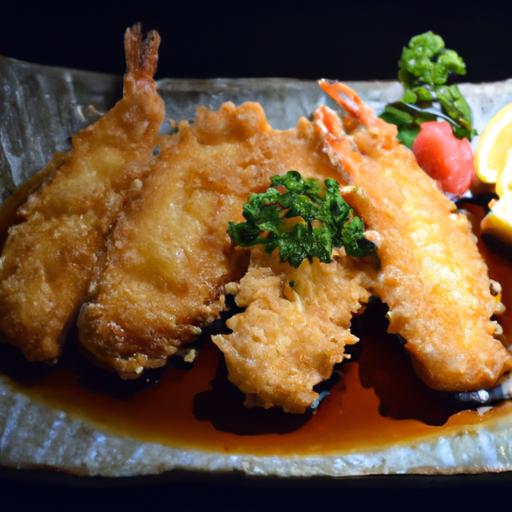
Crisp, airy, and golden, tempura has become a symbol of Japanese finesse and technique. the secret lies in light batter made from cold water and cake flour, quick frying at just the right temperature, and choosing ingredients like prawns, sweet potato, and green beans that instinctively pair with that delicate crunch.
Prep and Cook Time
- Preparation: 20 minutes
- Cooking: 15 minutes
Yield
- 4 servings
Difficulty Level
- Medium
Ingredients
- 1 cup cake flour, sifted
- 1/2 cup cold sparkling water
- 1 egg yolk
- Assorted vegetables and seafood: e.g., prawns (peeled, deveined), sweet potato slices, green beans
- Vegetable oil for deep frying (canola or sunflower oil)
- Tempura dipping sauce: 1/4 cup dashi, 2 tbsp soy sauce, 2 tbsp mirin mixed and warmed
instructions
- Prepare ingredients by patting dry to avoid oil splatter. Slice vegetables thinly for even cooking.
- In a bowl, lightly beat the egg yolk, then mix with cold sparkling water.
- gently fold in the cake flour until just combined; lumps are okay. Do not overmix-this preserves the crisp texture.
- Heat oil in a deep pan to 350°F (175°C). Test by dropping a bit of batter-if it sizzles and floats immediately, it’s ready.
- Dip seafood and vegetables into batter, allowing excess to drip off, then carefully lower into hot oil.
- Fry in batches to avoid overcrowding until golden and crisp, about 2-3 minutes per batch.
- Drain on a wire rack or paper towel, then serve with dipping sauce.
Tips for Success
- Keep batter cold by placing bowl in ice water-it prevents gluten formation.
- Ensure oil temperature stays consistent; too hot burns batter, too cool makes it greasy.
- Use sparkling water instead of still-it adds lightness.
- Try a variety of vegetables to explore new flavor combinations.
Serving Suggestions
Arrange tempura on a bamboo mat or rustic plate with lemon wedges and fresh grated daikon. This elevates presentation and adds brightness to every bite. Pair with a chilled cup of green tea or a crisp Japanese lager for a truly indulgent experience.
Savoring Simplicity with Easy Rice Dishes That Impress
Rice is the cornerstone of Japanese cuisine. From the fragrant takikomi gohan-seasoned rice with seasonal vegetables and mushrooms-to the simple yet sublime onigiri, rice dishes blend functionality with artistry. The key to mastering these lies in selecting the right rice (short-grain sushi rice), rinsing it thoroughly to remove excess starch, and seasoning thoughtfully.
Prep and Cook Time
- Preparation: 5 minutes
- Cooking: 30 minutes
Yield
- 4 servings
Difficulty Level
- Easy
Ingredients
- 2 cups Japanese short-grain rice, rinsed
- 2 1/2 cups water
- 1/2 cup diced shiitake mushrooms
- 1/2 cup diced carrots
- 2 tablespoons soy sauce
- Optional garnishes: chopped green onions, sesame seeds, umeboshi (pickled plum)
Instructions
- Rinse the rice under cold water until runoff is clear to remove starch and improve texture.
- Drain rice well,then combine with water in a rice cooker or heavy-bottom pot.
- Add diced mushrooms and carrots on top of rice without stirring.
- Cook according to rice cooker settings or, if on the stovetop, bring to a boil, reduce to low, cover tightly, and simmer 15 minutes until water is absorbed.
- Remove from heat and let sit covered for another 10 minutes to steam.
- gently fluff rice with a paddle and season with soy sauce.
- Serve warm, garnished as desired.
Tips for Success
- Use a rice paddle or wooden spoon to fluff rice carefully-stirring too vigorously breaks grains.
- Substitute mushrooms with seasonal vegetables like bamboo shoots or edamame for variety.
- If you don’t have a rice cooker, a heavy pot with a tight lid works just as well.
Serving Suggestions
Present your rice in small bowls alongside grilled fish, pickled vegetables, and miso soup for a balanced meal. Onigiri packed with umeboshi or salmon flakes make perfect handheld snacks or lunchbox treats,colorful and satisfying.
| Dish | Calories (per serving) | Protein | carbs | Fat |
|---|---|---|---|---|
| Miso Soup | 70 | 5g | 6g | 2g |
| Tempura | 300 | 12g | 25g | 18g |
| Takikomi Gohan | 250 | 5g | 50g | 3g |
For further inspiration, explore our Guide to Japanese Cooking Techniques and learn from experts like just One Cookbook for authentic recipes and cultural insights.
Q&A
Q&A: Simple & Delicious – Easy Japanese Recipes You Can Master Today
Q1: Why should I start cooking Japanese food at home?
A1: Japanese cuisine is a harmonious blend of fresh ingredients, balanced flavors, and beautiful presentation. Cooking it at home not only lets you savor these delights anytime but also introduces you to a culture rooted in mindfulness and simplicity. Plus, many Japanese dishes use straightforward techniques and accessible ingredients, making them perfect for cooks of all levels!
Q2: Are Japanese recipes difficult or time-consuming to make?
A2: Not at all! While some traditional dishes may take hours to perfect, many everyday Japanese recipes are surprisingly easy and quick. Think cozy bowls of miso soup, crispy tempura with a crisp batter, or a vibrant vegetable stir-fry. With a few staple ingredients and simple steps, you can create restaurant-quality meals without breaking a sweat.
Q3: What are some essential ingredients to keep on hand for easy Japanese cooking?
A3: Stock your pantry with soy sauce, mirin (a sweet rice wine), rice vinegar, dashi (Japanese soup stock), miso paste, and sesame oil. Fresh staples like sushi rice,nori (seaweed),tofu,and seasonal vegetables are also key players. These ingredients unlock a world of flavors with minimal fuss.
Q4: Can beginners really master Japanese cooking today?
A4: Absolutely! the secret lies in starting small and building confidence. Begin with simple dishes like onigiri (rice balls), tamagoyaki (Japanese rolled omelette), or yakisoba (stir-fried noodles). Step-by-step guides and practicing techniques like sushi rolling or tempura frying will have you feeling like a pro in no time.
Q5: How do Japanese recipes balance health and flavor?
A5: Japanese cuisine celebrates natural flavors without relying on heavy sauces or excessive fats. The emphasis on fresh fish,vegetables,fermented ingredients,and light seasoning creates meals that nourish the body and delight the palate. This balanced approach makes japanese food not only delicious but also wholesome and satisfying.
Q6: Any tips for making Japanese dishes look as good as they taste?
A6: Presentation is an art in Japanese cooking! Use colorful, fresh ingredients and pay attention to plating. Simple touches like arranging sushi with finesse, sprinkling sesame seeds, or using bento box compartments can elevate your meal visually. Remember, eating with your eyes first adds to the overall experience.
Q7: Where can I find inspiration for my next Japanese recipe adventure?
A7: dive into cookbooks dedicated to Japanese home cooking, explore food blogs, or watch tutorial videos that break down recipes step-by-step. Visiting local Asian markets can also spark ideas with unique produce and seasonings. And don’t forget to experiment-making the recipes your own is part of the fun!
The Way Forward
as you wrap up your culinary journey through these simple and delicious Japanese recipes, remember that mastering a new cuisine is less about perfection and more about exploration.With just a handful of authentic ingredients and straightforward techniques, you can bring the delicate flavors of Japan into your very own kitchen-any day of the week. So whether you’re craving the comforting warmth of miso soup or the satisfying bite of homemade onigiri, these easy recipes are your gateway to authentic taste without the fuss. Embrace the art of simplicity, and soon you’ll discover that creating Japanese dishes is not only achievable but truly enjoyable. Happy cooking, and いただきます-let’s eat!